Does Driving History Affect Car Insurance
Yes, your driving history follows you, because insurers price the driver you've actually been, not just who you say you are.
Insurers price the driver you've shown, not who you say you are
Car insurance is a bet on how likely you are to file a claim. Insurers don't know you personally, so they use whatever evidence they can find, and your driving history is the most direct evidence there is. A ticket, an accident, a lapse in coverage, these are all data points that say something about risk, and insurers weigh them accordingly.
What counts and how long it counts varies by insurer and by state. Some only look back a few years, others look further. Some weigh an at-fault accident heavily and barely notice a minor violation, others do the opposite. This is one of the places where it genuinely pays to check with whoever you're getting a quote from, rather than assume your record will be read the same way everywhere.
There are cases where history matters less than you'd think. A single old violation, well in the past, often fades out of pricing entirely once enough time has gone by. Some insurers also forgive a first at-fault accident, especially if you've been with them a long time, so loyalty can soften the impact of a bad year. And a lapse in coverage from something outside your control, like a household transition, doesn't always get treated the same as a lapse from simply not paying.
The flip side also matters. A clean history isn't just the absence of bad marks, it's active proof you're a low-risk driver, and insurers do reward that. So the question isn't just whether your history hurts you. It's also whether it's working for you as much as it could, and whether you're getting credit for the years you've driven without incident.

When an old accident shows up at the worst possible time
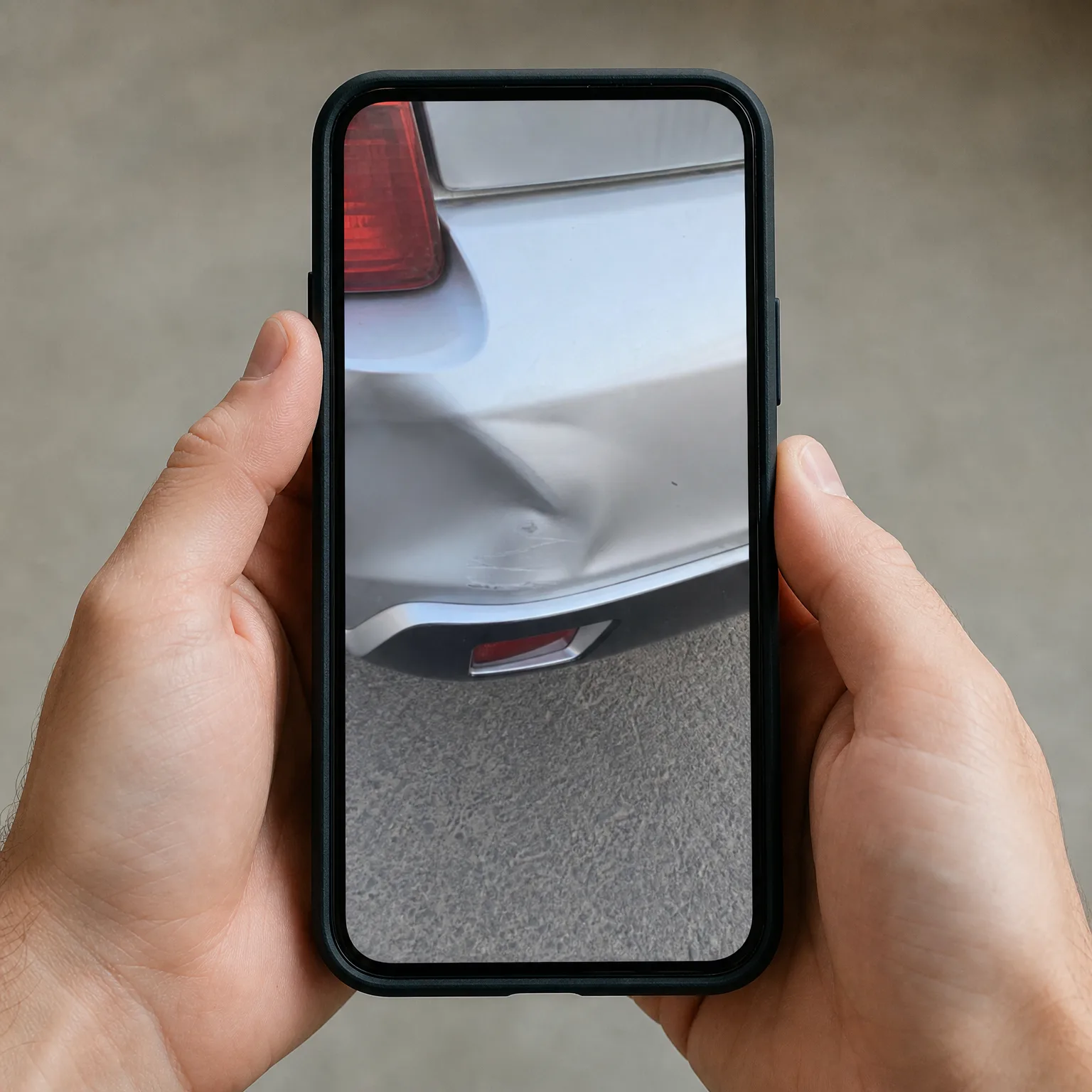
Someone comparing quotes after a major life change finds that one insurer's price is noticeably higher than the others, and can't figure out why until they remember an at-fault accident from a few years back. It had faded into the background of their old policy, folded into a renewal price they stopped questioning, so it came as a surprise to see it resurface somewhere else.
They called the new insurer to ask directly how far back they looked and what specifically was driving the price. It turned out this insurer weighed at-fault accidents more heavily and for longer than the one they'd been with for years. Knowing that, they went back to their original insurer, who still had the accident on file but priced it more gently because of their long history there. They stayed put, but the exercise told them exactly when that accident would stop mattering and what their price might look like once it did.
How long does a bad driving record actually follow you?
Long enough to matter, but not forever, and the exact length depends on both your state and your insurer. Violations and accidents typically stay visible for several years, after which many insurers stop counting them at all, even though the record itself may still exist elsewhere.
The practical answer is to ask directly. When you're comparing quotes, ask each insurer how far back they look and whether anything on your record is close to aging out. That single question can tell you whether it's worth waiting a renewal cycle before you shop around, or whether now is already a fine time to switch.
Now that you know how history gets read, compare quotes to find the insurer that treats your record most fairly.

Whether you check how your record is being read before you switch
If you do
You ask each insurer how far back they look and what weighs most heavily. You find out if an old incident is about to age out, or if one insurer reads your history more gently than another. You switch, if you do, knowing why the price is what it is, with no surprises later on.
If you don't
You compare prices without knowing why they differ, and you might pass up a better deal because one quote looked high for reasons that had nothing to do with your actual risk. You could also switch right before an old mark would have aged out, and pay more than you needed to.
Does a speeding ticket raise your insurance more than an accident?
Usually an at-fault accident raises your price more than a single speeding ticket, because it signals an actual claim was paid out, while a ticket is just a violation with no claim attached. But this depends heavily on the insurer and the severity of each. A minor ticket might barely move your price, while a serious one, like reckless driving, can matter as much as an accident. Check with your insurer directly, since the ranking isn't universal.
Can you get car insurance after a license suspension?
Yes, though it will likely cost more and your options may be narrower while the suspension is recent. Insurers treat a suspension as a strong signal of risk, so expect closer questions and possibly a required form proving coverage. The impact fades over time, especially once you've driven cleanly since the suspension ended. What changes the answer most is why the license was suspended, since some reasons are weighed more harshly than others.
Does driving history follow you to a new insurance company?
Yes, your driving record is tied to your license, not to any one insurer, so a new company can see it when you apply. What differs is how each company interprets it, how far back they look, and how much weight they give each type of incident. That's why it's worth asking directly rather than assuming every insurer will price your history the same way.