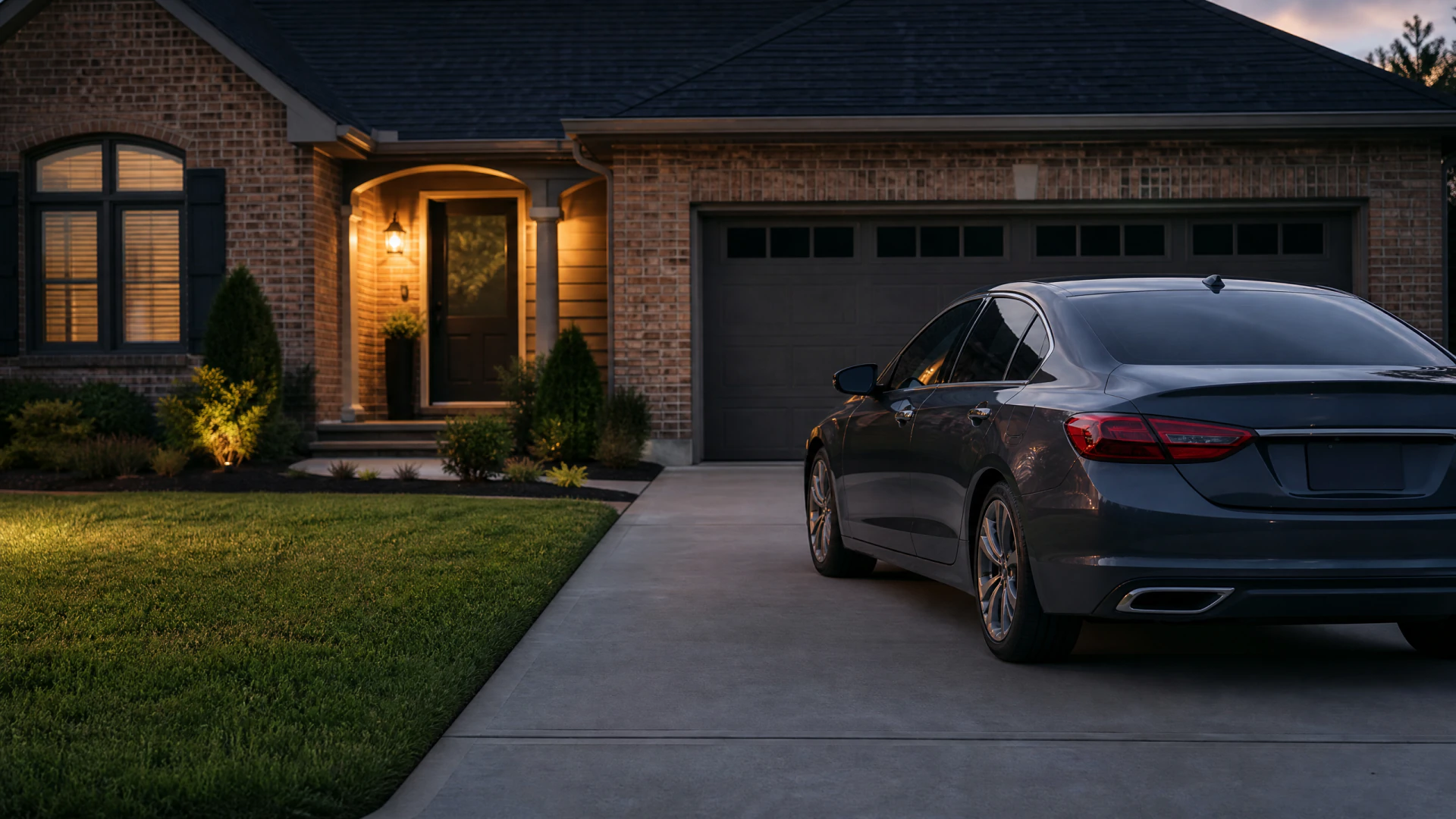
Keeping a Spouses Car Insured During a Title Transfer
You can keep the car insured right now by adding it and yourself to an active policy, even before the title is officially in your name.

What to do while the title is still in progress
- Call the insurer first Tell them your spouse has passed and the car still needs coverage. They can usually keep the policy active under your name while the title catches up, so you're never driving uninsured.
- Add yourself as the policyholder You don't need the new title in hand to become the named insured. Most insurers will update the policy once you show proof of death and your relationship to the owner.
- Keep registration current too Insurance and registration are separate, and letting one lapse can cause problems with the other. Check what your state requires to keep driving the car legally during the transfer.
- Decide if you're keeping the car If you won't drive it, you still need to keep it insured for liability until it's sold or transferred, since an uninsured parked car can still cause problems. Don't cancel coverage just because no one is driving it.
- Ask about a coverage gap If there's any delay between canceling the old policy and starting a new one, ask the insurer directly how to avoid it. A lapse can raise your future rates even if no one was ever at risk.
A second car sitting in the driveway after a loss
A woman in her sixties lost her husband and found herself holding two cars, his sedan and her SUV, both insured under one policy in his name. She wasn't sure if the sedan needed to stay insured since no one was driving it, and she worried that calling the insurer would somehow cancel everything at once.
She called and explained the situation before making any changes. The insurer moved the policy into her name, kept both cars covered, and explained that liability coverage still mattered for the parked car until she decided to sell it. She kept it insured for two more months while she arranged the title transfer and sold it to a neighbor, then dropped it from the policy the same day the sale was final. Her own car's coverage never changed through any of it.

Now that you know how to keep coverage active, compare quotes to confirm you have the right policy.

Should you call the insurer before the title transfer is final
If you do
You stay insured without any gap, even while paperwork is incomplete. The insurer can usually update the policy using proof of death and your relationship to the owner, and walk you through what the state requires next, so nothing lapses while you sort out the title.
If you don't
The policy may still be active, but it could still be listed under your spouse's name only. If a claim comes up, the insurer may ask questions about who was driving and why the named insured doesn't match the title, which can slow things down right when you need help most.
Why coverage doesn't have to wait on the paperwork
Insurance and vehicle titles are handled by different systems, and they don't move at the same speed. A title transfer can take weeks depending on your state, but an insurance policy can usually be updated within a day or two, because the insurer only needs to confirm who the car belongs to now and who will be driving it.
Insurers expect this situation. Losing a spouse is common enough that most companies have a straightforward process for moving a policy into a surviving spouse's name, often just proof of death and the original policy information. They're not waiting for a new title before they'll cover the car, because the title is a legal record of ownership, while the policy is about who's responsible for the car today.
Where this gets more complicated is when the car itself is being sold or given to someone outside the household, like an adult child. In that case the insurer will usually want the transfer finished before they move coverage to the new owner, since now the person on the policy and the person on the title need to match for a new reason, establishing a new owner entirely rather than just updating an existing one.
State rules also shape how fast you need to act. Some states tie registration renewal to proof of insurance, so letting coverage lapse even briefly can create a registration problem too. Check with your state's motor vehicle office to see how your registration and insurance are linked, since that will tell you how much urgency there really is.
Do I need the title transferred before I can insure the car in my name?
No, you don't. Insurers can usually add you as the policyholder using proof of death and your relationship to the original owner, without waiting for the title to change. The title matters more when you're selling the car or transferring it to someone outside your household. Check with your insurer directly, since the exact documents they'll accept can vary.
Will my rates change if I take over my spouse's policy?
They might, but not necessarily in a bad way. Insurers often reassess the policy once it's in your name, looking at your driving history and the household's full picture instead of your spouse's. Ask for a review when you call, so you know what to expect before you decide whether to switch insurers or stay put.
What happens to the insurance if I decide to sell the second car?
You keep it insured until the sale is final, then remove it from the policy the same day. A parked, unsold car can still cause liability issues if something happens to it, so don't cancel coverage early just because it isn't being driven. Once the sale and title transfer are complete, call your insurer to drop that vehicle specifically.