
Transferring a Car Title After a Death
You transfer the title through your state's motor vehicle office using the death certificate and current title, then update the insurance.

What the transfer actually involves
- Get the death certificate first You'll need several certified copies, not photocopies, for the title office, the insurer and sometimes the bank. Order extra copies now so you're not waiting later.
- Find the current title The title shows whose name is on the car and whether anyone else is listed, like a lender. If you can't find it, your motor vehicle office can issue a duplicate so you can move forward.
- Check how the title is worded Some titles pass automatically to a surviving spouse without probate, depending on how the car was titled and your state's rules. Call your title office and ask what your specific title requires.
- Update the registration too The registration and the title are separate documents, and both usually need to reflect the new owner. Your motor vehicle office can tell you if this happens automatically or needs a separate form.
- Tell the insurer after The policy should match who legally owns the car, so update it as soon as the title is in your name. This keeps a claim from being delayed or denied over a mismatch.
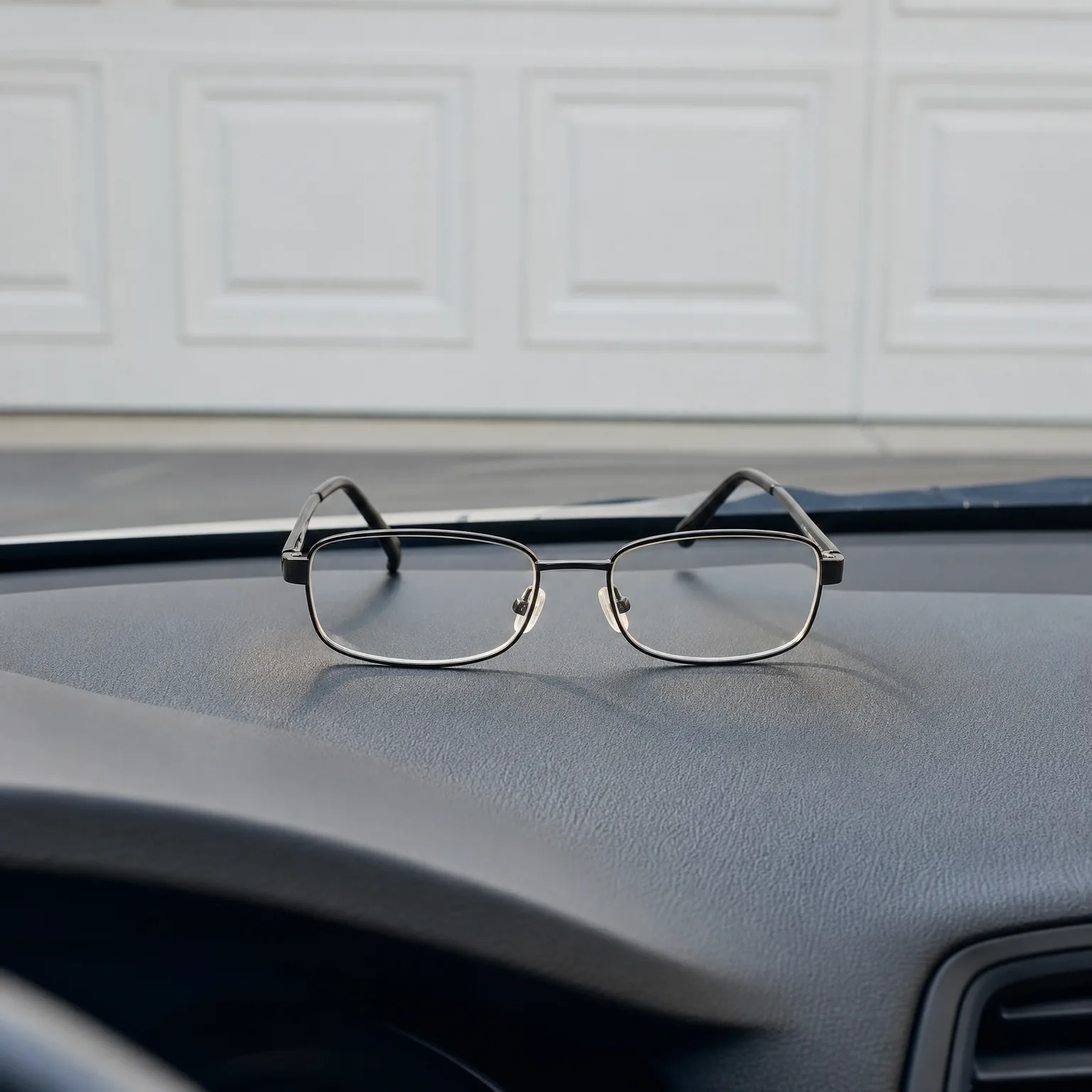
A car that was only ever in his name
Her husband had bought their second car years earlier and never added her to the title. After he died, she assumed the car was simply hers, since they'd shared it for a decade. When she called the insurer to remove him from the policy, they asked for proof she owned the car, and that's when she realized the title still listed him alone.
She went to the motor vehicle office with his death certificate and the existing title. Because the car was titled solely in his name and their state allowed a simplified transfer for a surviving spouse, she didn't need to go through probate. She filled out a small-estate affidavit, paid the title transfer fee, and walked out with a new title in her name alone. She called the insurer that afternoon to update the policy, and the mismatch that had worried her was gone within a week.

Once the title and registration match your name, compare quotes knowing the policy will line up without a hitch.

Whether you transfer the title now or wait
If you do
The title, registration and insurance all match, so a claim after an accident goes smoothly and nobody questions who owns the car. You can sell it, trade it in or add it to a new policy without extra paperwork slowing you down later.
If you don't
The car stays listed under someone who's passed away, which can complicate or delay a claim if something happens to the car. You also can't legally sell or register it elsewhere until the title is sorted out, so the problem just waits for you.
Why the title has to move before anything else settles
A car title is a legal record of ownership, separate from the insurance policy and separate from the registration sticker on your plate. Insurers care about the title because they're agreeing to pay out to whoever actually owns the car. If the title still shows a deceased person, the insurer has a harder time confirming who they're protecting, and that uncertainty is exactly what can slow down or complicate a claim.
Most states have a simplified process for transferring a title when the owner has died, especially when the car passes to a surviving spouse. This usually skips full probate and instead asks for a death certificate, the existing title, and a short affidavit or form specific to vehicles. But this only applies to small estates or spousal transfers in many states, so if the car was owned jointly with someone other than a spouse, or if there's no will, the process can look different.
How the title was originally worded matters more than people expect. A title held as joint tenants often transfers automatically to the survivor with minimal paperwork. A title held in one person's name alone usually has to go through the estate, even if informally, before it can move to someone else. This is why two people in similar situations can have very different experiences, one quick and one slower, depending on a detail from years earlier they never thought about.
The registration and insurance follow the title, not the other way around. Once the title is correctly transferred, updating the registration and the policy is mostly administrative. Trying to update insurance or registration before the title is settled usually just creates a loop, where each office asks for proof the other hasn't given you yet.
Do I need probate to transfer a car title after my spouse dies?
Not always. Many states let a surviving spouse transfer a car title through a simplified process using a death certificate and a small-estate or spousal affidavit, skipping full probate entirely. This usually depends on how the title was worded and whether your state sets a threshold for what counts as a small estate. Check with your state's motor vehicle office directly, since the rules and the paperwork involved vary and change what you'll need to bring.
What happens to the car loan if the title transfer is still pending?
The loan keeps accruing and payments are still due, even while the title transfer is in progress. The lender's lien stays on the car regardless of whose name is on the title, so you'll likely need to contact the lender separately to update who's responsible for the loan. If the loan was only in the deceased person's name, ask the lender what documentation they need to formally transfer or refinance it.
Can I drive the car legally before the title is transferred?
In most states yes, especially if you were already a listed driver on the insurance policy. The title shows ownership, not who's allowed behind the wheel, so driving isn't usually blocked by a pending transfer. What matters more is that the insurance policy is active and reflects accurate information, since an outdated policy could complicate a claim even if driving itself isn't restricted.