What Happens if I Let a Car Sit for 3 Months
A parked car still carries risk, so its coverage should match what it's actually facing now, not how it used to be driven.
The coverage has to match what the car is actually facing
Insurance is priced around use and exposure. A car that's driven to work every day faces different risks than a car parked in a garage or driveway. When a car sits for three months, the risks that remain are mostly about the car itself, things like theft, fire, falling branches, or someone backing into it in a lot. Those risks don't go away just because no one is driving.
This is why dropping coverage entirely on a parked car is usually the wrong move, even though it feels like the obvious way to save money. If the car isn't titled, registered, or stored in a way that satisfies your state, liability and comprehensive coverage still matter, because the car can still cause damage or be damaged even sitting still. Many insurers let you remove only the driving-related coverage, like liability for accidents, while keeping the coverage that protects the car itself. This is sometimes called reduced or storage coverage, and it exists specifically for situations like this one.
What varies by state and insurer is how this is handled on paper. Some states require continuous liability coverage on any registered vehicle, parked or not, so letting coverage lapse can trigger penalties even if the car never left the driveway. Other states allow you to suspend registration and insurance together as long as the car isn't on public roads. Your insurer also decides whether reduced coverage is automatic or something you have to request, and whether there's a minimum amount of time the car needs to sit before it qualifies.
The cases where this works out differently usually involve a second car that's being decided about, not just stored. If you're not sure whether you'll keep the car, sell it, or give it to someone else, it often makes more sense to keep full coverage a little longer rather than downgrade and then have to reverse the decision. Check with your state's motor vehicle office and your insurer before you change anything, since the two rules have to line up.
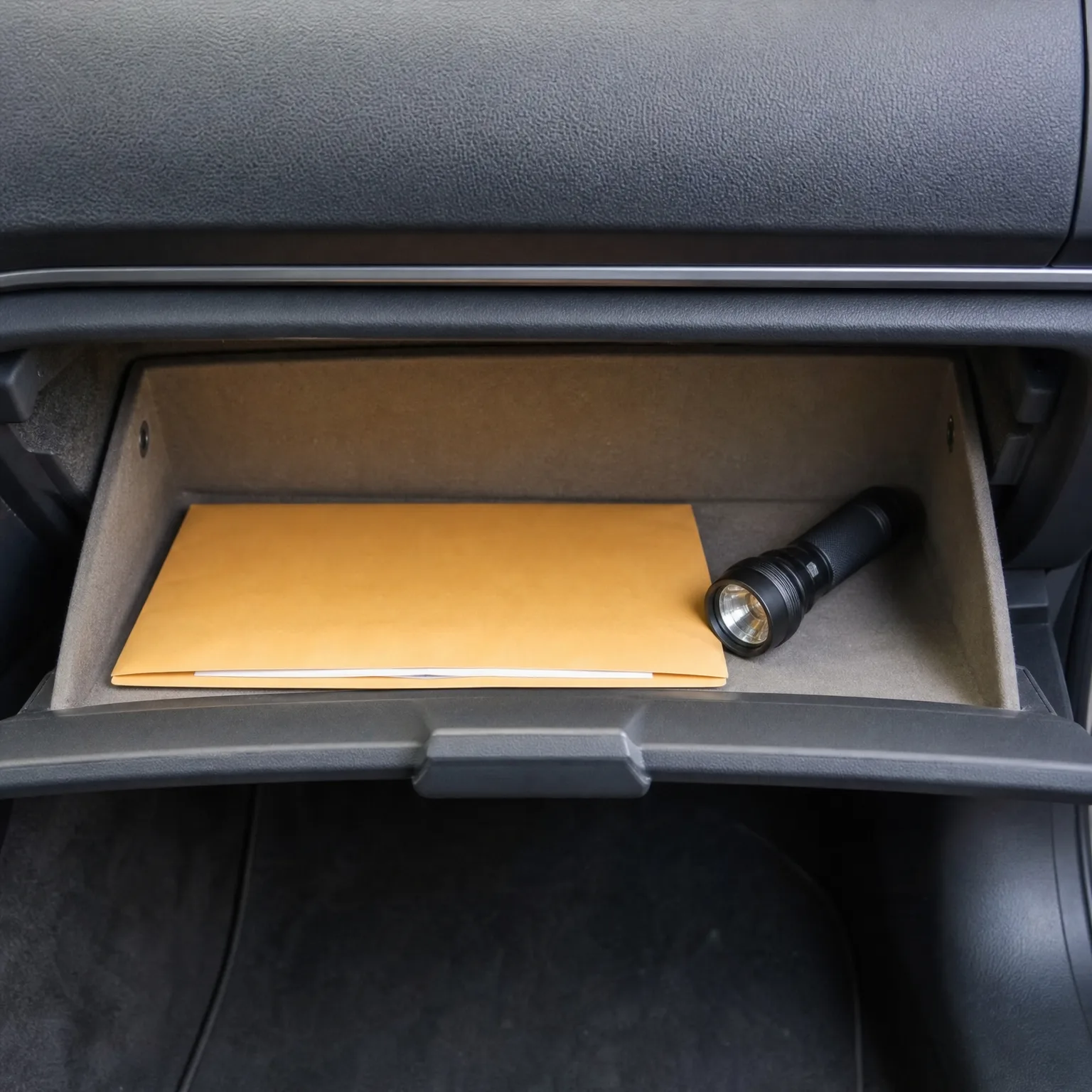
What to check before you change anything on a parked car
- Registration status If the car is still registered, your state may require it to stay insured too. Check whether you can suspend registration along with coverage, or whether they're tied together.
- Reduced or storage coverage Ask your insurer if you can drop liability but keep comprehensive. This protects the car from theft or damage while cutting the cost of coverage you don't need right now.
- Where the car is parked A car in a locked garage is a different risk than one parked on the street. Tell your insurer the actual location, since it can affect both the rate and what's covered.
- How long you'll wait to decide If you're still deciding whether to sell or keep the car, avoid changes you'd have to undo. A short pause now is easier to reverse than a lapse in coverage.
- Who else might drive it If someone else may start driving the car soon, like a family member, don't remove coverage meant for drivers. Confirm who's listed on the policy before you change it.
Once you know what level of coverage this parked car actually needs, compare quotes built around that decision.
Whether you tell your insurer the car is sitting unused
If you do
Your insurer can adjust the policy to match reality, often lowering your cost while keeping protection against theft, fire, or damage. If something happens to the car while it's parked, you're still covered, and there's no confusion later about why the policy didn't match how the car was actually being used.
If you don't
You keep paying for coverage built around daily driving that isn't happening, which usually costs more than needed. If you stop paying and let the policy lapse instead, you could lose coverage on a car that's still registered, face a penalty, or create a gap in your insurance history that follows you later.
Will stopping coverage for three months make my insurance more expensive later?
It can, but it depends on why the coverage stopped. Insurers look at gaps in coverage history when they calculate future rates, and a gap often signals risk to them even if the real reason was simple, like a parked car. A gap caused by a lapse or nonpayment tends to affect pricing more than a planned, documented change like switching to reduced coverage.
This is why it matters to make the change with your insurer rather than just letting the policy end. If you tell them the car is sitting unused and switch to reduced coverage, that's recorded as a continuous, intentional choice, not a lapse. When you're ready to restore full coverage, you're resuming a policy, not rebuilding one from a gap. If you're unsure how your insurer treats this, ask them directly before the three months start, not after.
A parked car is still a car. The real decision is how much coverage it needs now, not whether to drop it.