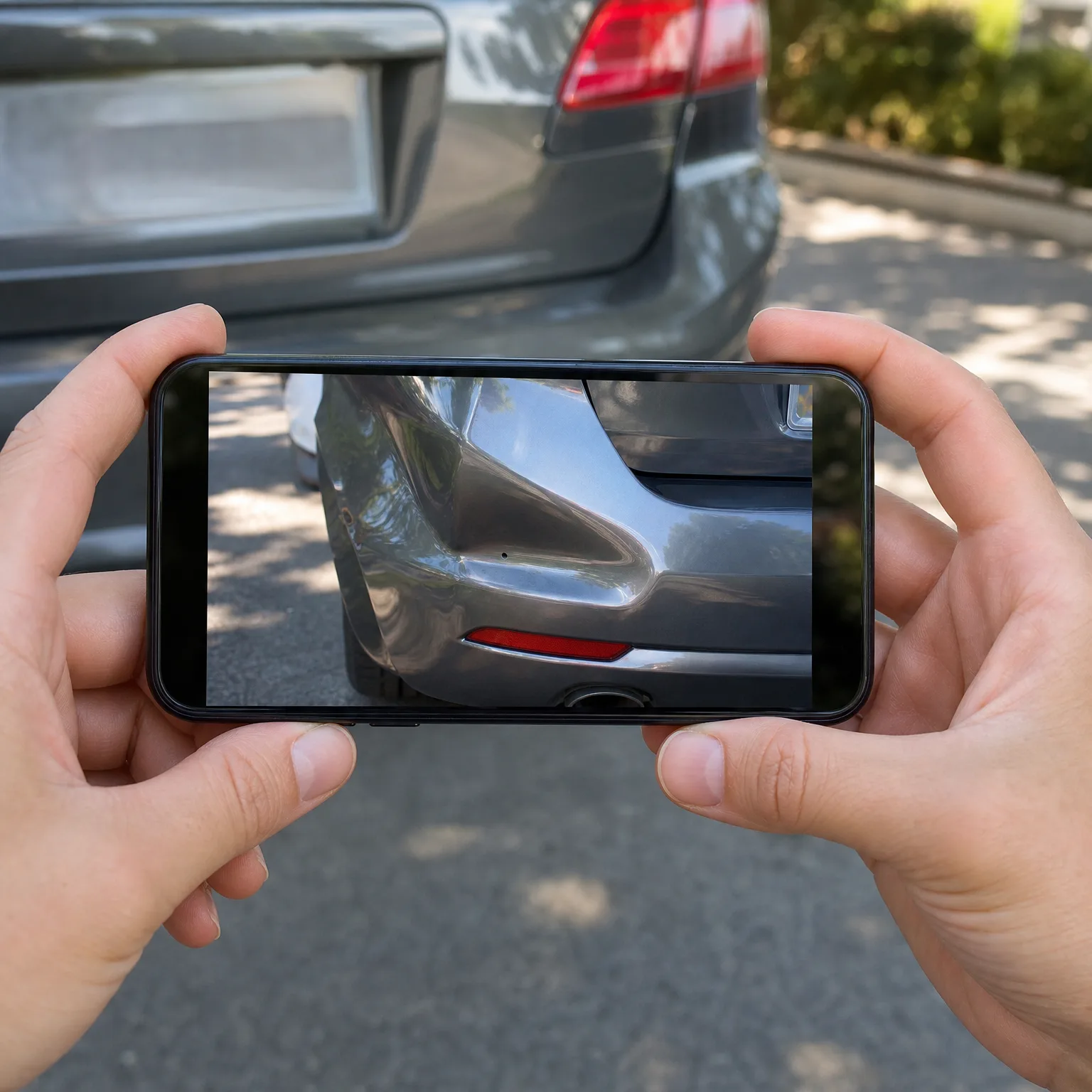
What Is a Car Insurance ID Card
A car insurance ID card is proof of active coverage on a specific vehicle, showing the policy's company, numbers, and dates.
It exists so anyone can check your coverage on the spot
The ID card is a short summary of a policy, not the policy itself. Police, other drivers after an accident, and DMV or registration clerks all need a fast way to confirm a vehicle is insured right now, without pulling the full contract. The card gives them just enough, the company name, policy number, the vehicle it covers, and the dates coverage is active.
Because it's tied to the policy, not to one person, the card usually still works even while names on the account are being sorted out. If your spouse was the named policyholder and you're listed as a driver, the vehicle is still insured and the card is still valid, as long as premiums keep getting paid and the policy stays active. What changes the card is a change to the policy itself, not grief or paperwork in the background.
Where this gets tricky is when a car sits unused after someone passes away. An unused car can sometimes be covered differently, with lower liability-only coverage or a parked-car status, depending on the insurer and the state. That changes what the card shows and sometimes removes the comprehensive or liability proof you'd need if you ever decided to drive it again.
States also differ on whether a physical card is required or whether digital proof is enough, and some accept an insurer's app or an electronic PDF as valid proof. Check your state's rule before you assume a printed card is still required, especially since you may be reissuing cards soon anyway as names and vehicles get updated.
Updating the cards after a spouse's policy changes hands
A woman found herself holding two cars after her husband passed, one she drove daily and one he had used for errands that now sat in the garage. The policy was still in his name, and both cards listed him as the primary policyholder. She called the insurer, explained the situation, and asked what needed to change before she did anything else.
The insurer moved the policy into her name, kept both cars insured while she decided what to do, and reissued new ID cards for each vehicle under her name. For the car she no longer drove, they offered a reduced coverage option since it wasn't being used, which lowered the cost without canceling it outright. She kept that option for a few months while she decided whether to sell the car, and only canceled coverage on it once it was gone. Through all of it, she kept printed cards in both cars' glove boxes just to avoid being caught without proof if she was stopped or in a fender bender while sorting things out.
The ID card follows the policy, not the person, so it keeps working while names and details get updated.
Once you know what your ID card needs to show, compare quotes to make sure the coverage behind it still fits your life.

Whether you update the ID card right away
If you do
You get a card that matches reality, the right name, the right vehicles, and current coverage. If you're stopped, in an accident, or renewing registration, there's no mismatch to explain. It also forces you to confirm the policy itself is correct, not just the card.
If you don't
The old card may still technically prove coverage, since the policy is still active. But if the name, vehicle, or coverage level has actually changed and the card hasn't caught up, you risk confusion at a traffic stop or a claim, and you may be carrying proof of something that's no longer quite accurate.
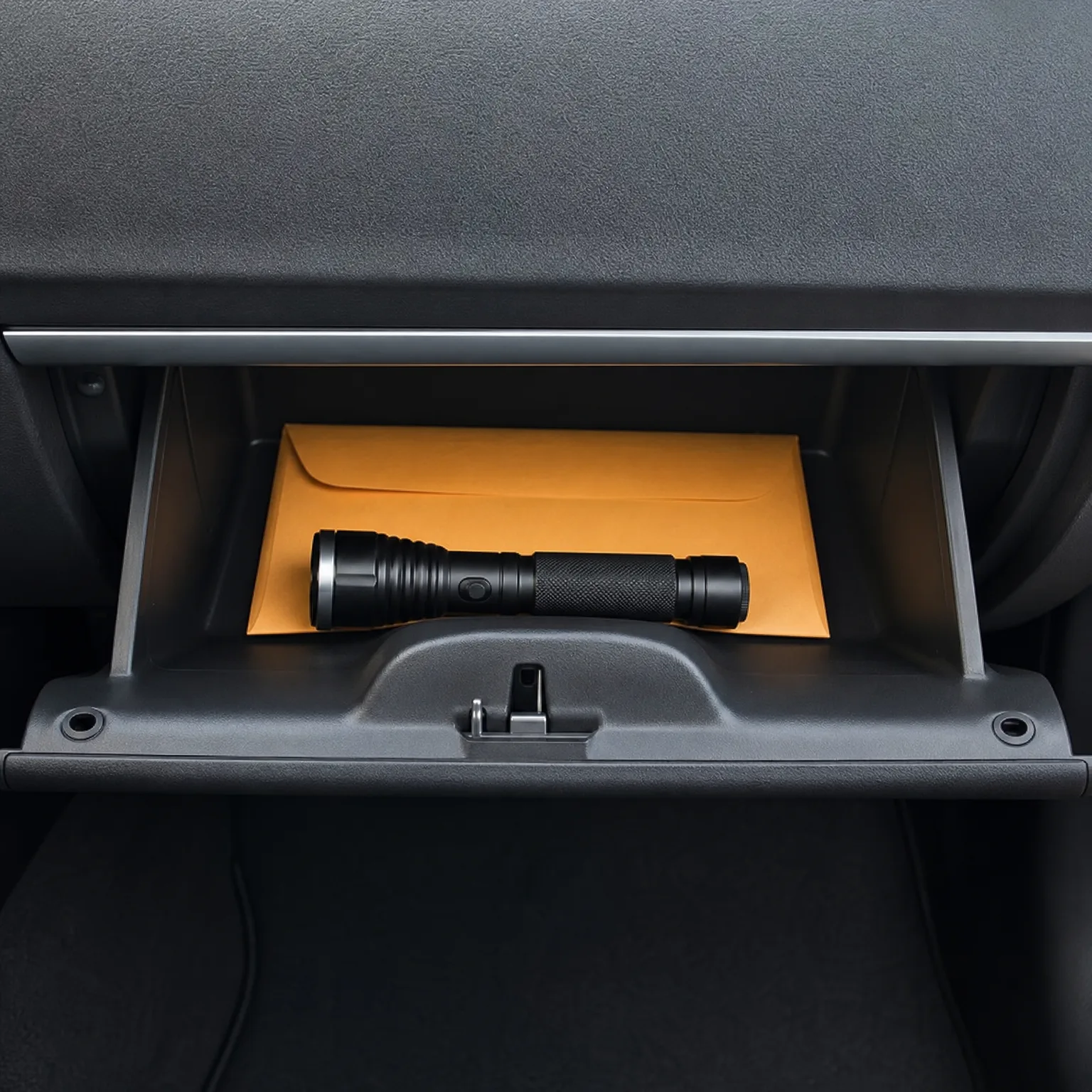
What to check on your ID cards right now
- Whose name is listed If the card still shows your spouse's name only, call the insurer to update it. This matters for proof of ownership and for any claims you'd file yourself.
- Which cars are covered Confirm every vehicle you're keeping has its own current card. A car that's unused still needs valid proof if it's titled and on the road at all.
- The dates on the card Check the effective and expiration dates match your actual policy term. An outdated card can cause problems even if the policy itself is fine.
- Digital versus printed proof Find out if your state accepts a phone app or PDF as valid proof of insurance. This can save you from reprinting cards every time something changes.
- Cards for an unused car Ask whether a parked or rarely driven car needs a different type of card under reduced coverage. This affects what you can legally do if you drive it again.
Do I need a new ID card if I add or remove a car insurance policy holder?
Yes, you need a new card whenever the named policyholder changes, because the card is supposed to reflect who the policy actually covers. If a spouse's name comes off the policy or yours is added as the primary holder, the insurer will reissue cards for every vehicle on that policy, not just one.
This isn't automatic in most cases. You usually have to call or go online to request the update once the name change on the account is finalized. Until then, the old card may still be technically valid since the policy itself hasn't lapsed, but it won't match the current paperwork, which can cause confusion if you ever need to prove coverage during a stop or a claim. Ask the insurer directly whether the update to the account also triggers new cards automatically or whether you need to request them separately, since this varies by company.