What Will Car Insurance Not Cover
Car insurance won't cover the car nobody's driving, the gaps in coverage you haven't reviewed, or claims that don't fit the policy's terms.

These are the gaps that catch people off guard
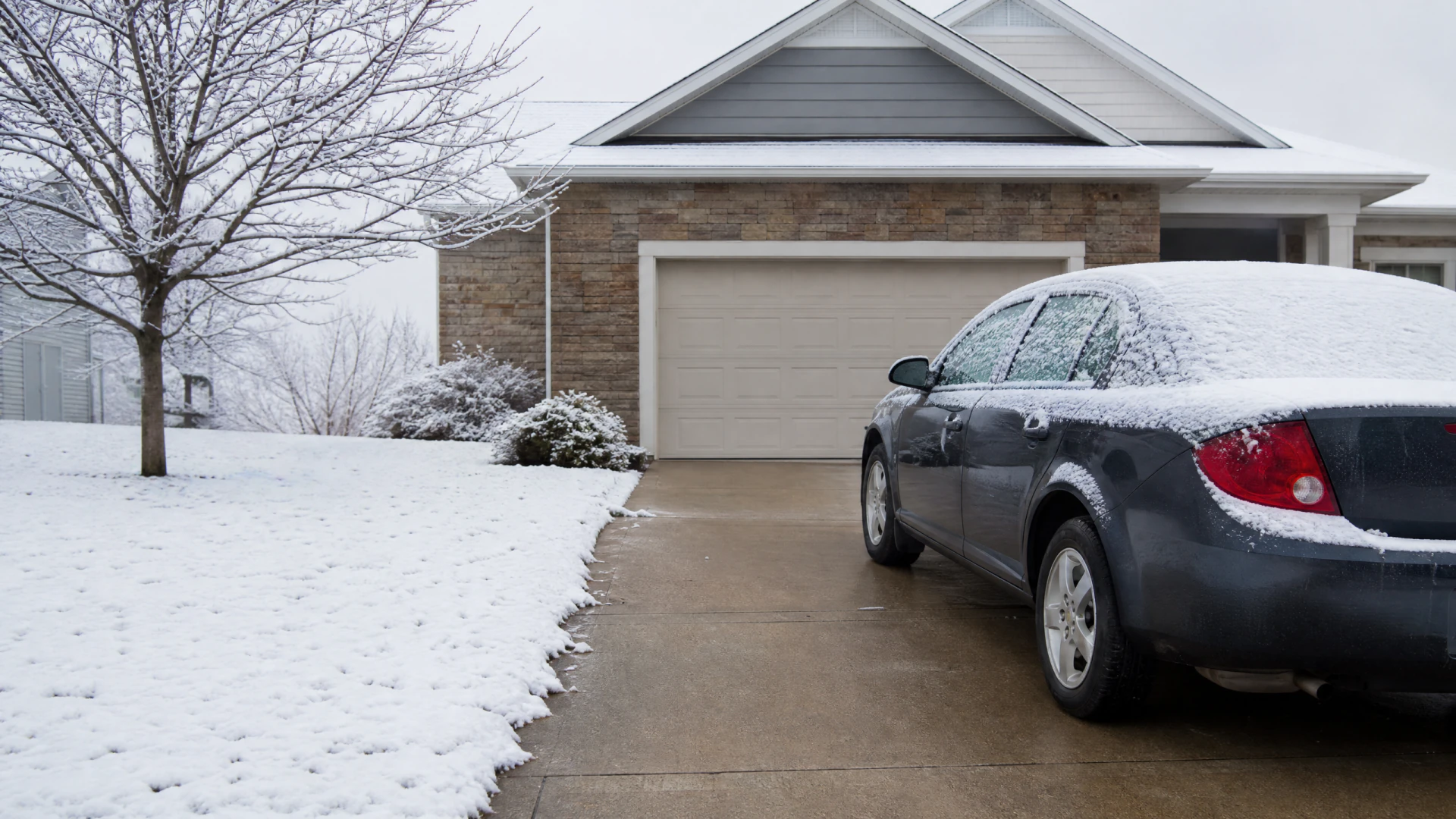
- An unused car still insured If a car sits unused but is still insured, the policy still only covers what the listed coverage says, nothing more. Check whether it still needs full coverage or whether liability-only or storage coverage fits better.
- Claims tied to who's listed If your spouse was the only named insured, a claim could get complicated depending on how the policy and title are set up. Call the insurer and ask directly how this works before anything happens, not after.
- Normal wear and breakdown Insurance covers accidents and covered events, not a car wearing out or breaking down on its own. That's true everywhere, so don't expect a claim to help with age-related repairs.
- Drivers not listed on the policy If someone else now drives the car regularly, they may need to be added to the policy. An unlisted regular driver can affect a claim, so check your insurer's rule on this.
- Gap between loan and car's value If there's a loan on the car, basic coverage may not cover the full payoff amount after a loss. Ask whether added coverage for that gap makes sense given what's owed.
Deciding what to do with the car no one drives
After her husband passed, Carol found two cars in the garage, hers and his old pickup truck. Both were still insured in his name along with hers on a joint policy. She didn't need the truck, but she wasn't sure if dropping it would cause a problem with the paperwork still being settled, or whether removing it too soon would leave something uncovered that she hadn't thought of.
She called the insurer and asked them to walk through the policy line by line. They explained that the truck could be switched to a minimal, storage-only coverage until she decided whether to sell it, which protected it from certain losses without paying for coverage she didn't need. She kept her own car's coverage as it was. A few weeks later, once the estate was settled, she sold the truck and removed it from the policy entirely. Taking it one step at a time kept her from losing coverage she needed or paying for coverage that no longer made sense.
The real risk isn't losing coverage, it's not knowing what your policy actually promises you right now.
Once you know what your policy won't cover, compare quotes to find coverage that actually fits where things stand now.
Why policies draw the line where they do
Car insurance is built around a specific agreement, a list of what's covered, who's covered, and under what conditions. Anything outside that list isn't a loophole, it's simply outside what you agreed to pay for. That's why reading the declarations page after a life change matters so much, because the agreement doesn't update itself when your life does.
Much of what trips people up isn't really about coverage at all, it's about who's listed. Insurers price and write policies around named people, not just named vehicles. When one person managed the account, the other person is often not fully reflected in it, even if they were the one driving a particular car all along. That mismatch is what causes delays or denials, not a lack of coverage itself.
Some of this varies by state and by insurer. How a policy handles jointly titled vehicles after a death, how long a deceased person's name can remain on a policy, and what proof is needed to make changes all differ. Your state's department of insurance or your insurer directly can tell you what applies to you specifically.
Where it works out differently is when a car's situation changes, like moving from daily use to storage, or when a policy was written assuming two drivers and now only has one. These aren't failures of the policy, they're simply places where the original terms no longer match reality, and that's exactly what you're checking for now.
Do I need to change anything right away or can it wait?
You don't need to make every decision immediately, but you do need to know what's accurate on the policy today. The thing to avoid isn't delay, it's assuming the policy already reflects your situation when it might not.
Call your insurer and ask them to review the policy with you, who's listed, what's covered, and whether anything looks outdated given what's changed. If a car isn't being driven, ask about adjusting its coverage rather than cancelling it outright. Making no changes isn't dangerous by itself, but not knowing what the policy says while assuming it's fine is where people get caught.