When to Cancel Car Insurance After a Death
Cancel only once the car is sold, retitled, or confirmed covered under someone else's policy, not before.
The timing depends on what happens to the car, not the grief
Insurance follows the vehicle and the driver, not the household. As long as a car exists and someone could drive it, it needs to stay insured, even if the person who used to manage the policy is gone. That's why the real question isn't when to cancel, it's what's happening to each car.
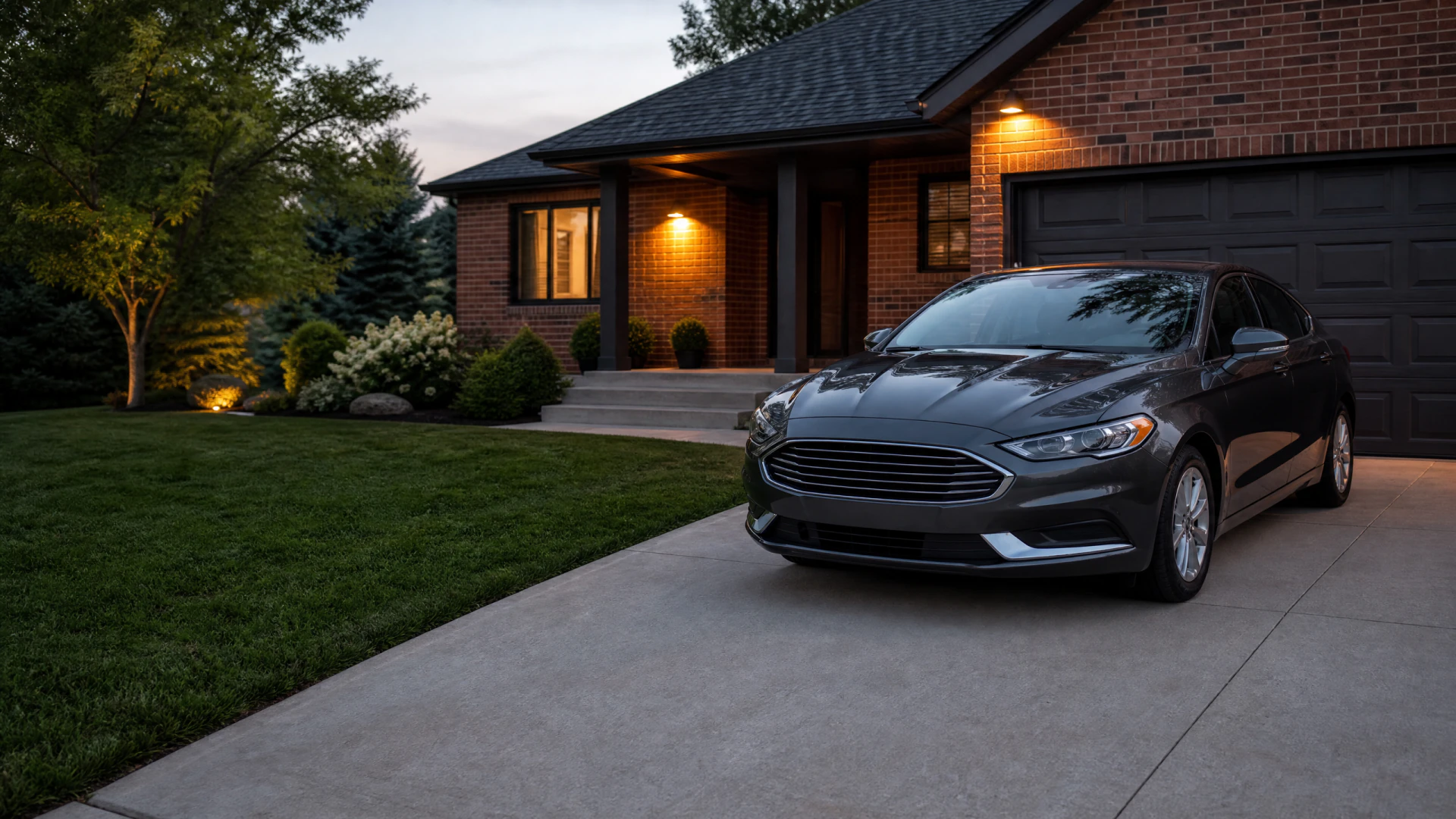
If a car is going to be sold or given away, the policy on it can end once that transfer is final, not before. If a car is sitting in a garage because no one has decided what to do with it yet, it still needs coverage, because an uninsured car can be hit, stolen, or damaged, and you'd have no protection. Some insurers let you lower coverage to a minimal level for a parked car instead of cancelling outright, which keeps you protected against theft or weather while you decide.
The policy itself is a separate issue from the cars on it. If your spouse was the named policyholder, the insurer generally needs to update the policy to your name before anything else changes, and some states or insurers have specific rules about how that transfer works after a death. Cancelling the whole policy too early can leave a second car, or you, without coverage you didn't realize you still needed.
There's no single deadline here. The right time to cancel is when a specific car is gone or reassigned, confirmed in writing, not on a date you pick because it feels like time to move on.
What to settle before you cancel anything
- Confirm who the policy covers Ask the insurer to update the policyholder name to you before making other changes. This protects your own coverage while you sort out the rest.
- Decide each car's fate A car being sold needs coverage until the sale closes. A car sitting unused still needs at least minimal coverage until you decide what to do.
- Ask about reduced coverage Some insurers let you drop to a lower tier instead of cancelling if a car isn't being driven. This avoids a lapse while you figure out next steps.
- Get cancellation in writing Don't assume a phone call is enough. A written confirmation protects you if a question comes up later about when coverage actually ended.
- Check the title first If the car is still titled in your spouse's name, insurers and DMVs may require that to be resolved first. This can affect how soon you can cancel cleanly.
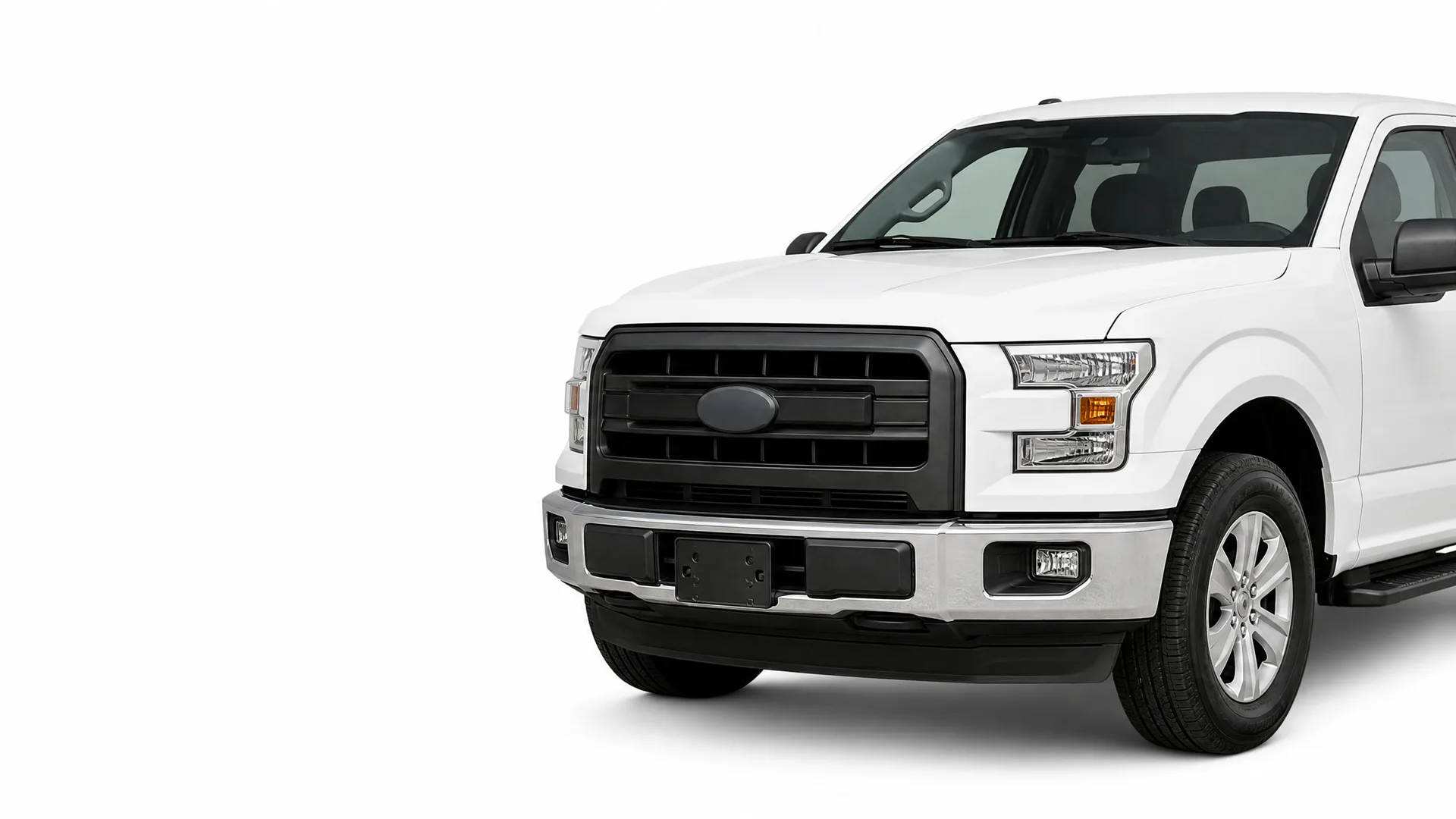
The car's status decides the timing, not your own readiness to deal with the paperwork.
Once you know which cars are staying and which are going, compare quotes for the coverage you'll actually keep.

Cancelling now versus waiting until the car is settled
If you do
If you cancel as soon as the car is sold or retitled, you stop paying for something you no longer own or need, and you avoid any confusion about who's responsible for it. You just need written proof the transfer is final before you call.
If you don't
If you cancel before the car is actually transferred or sold, you risk a gap where an existing car has no coverage at all. That can mean no protection if it's stolen, damaged, or involved in anything while it's still sitting there.
A second car with no clear plan yet
One reader kept her husband's older car for a few months after he died, unsure whether to sell it or give it to their son. The policy was still in his name, so she first called the insurer to get it switched to hers. That let her keep the second car insured without cancelling anything, while she figured out what to do.
She asked whether the unused car could be covered at a lower tier since no one was driving it, and the insurer offered a reduced plan that still protected against theft and weather damage. A few months later, once her son decided to take the car, she called back, confirmed the title transfer was complete, and cancelled that portion of the policy with written confirmation. Her own car's coverage never lapsed, and she wasn't paying full price for a car sitting unused the whole time.