50/100 vs 100/300 Car Insurance Limits
100/300 pays out three times what 50/100 pays per person and per accident, and for most people it's worth the difference.

One car, one policy, and a decision that couldn't wait
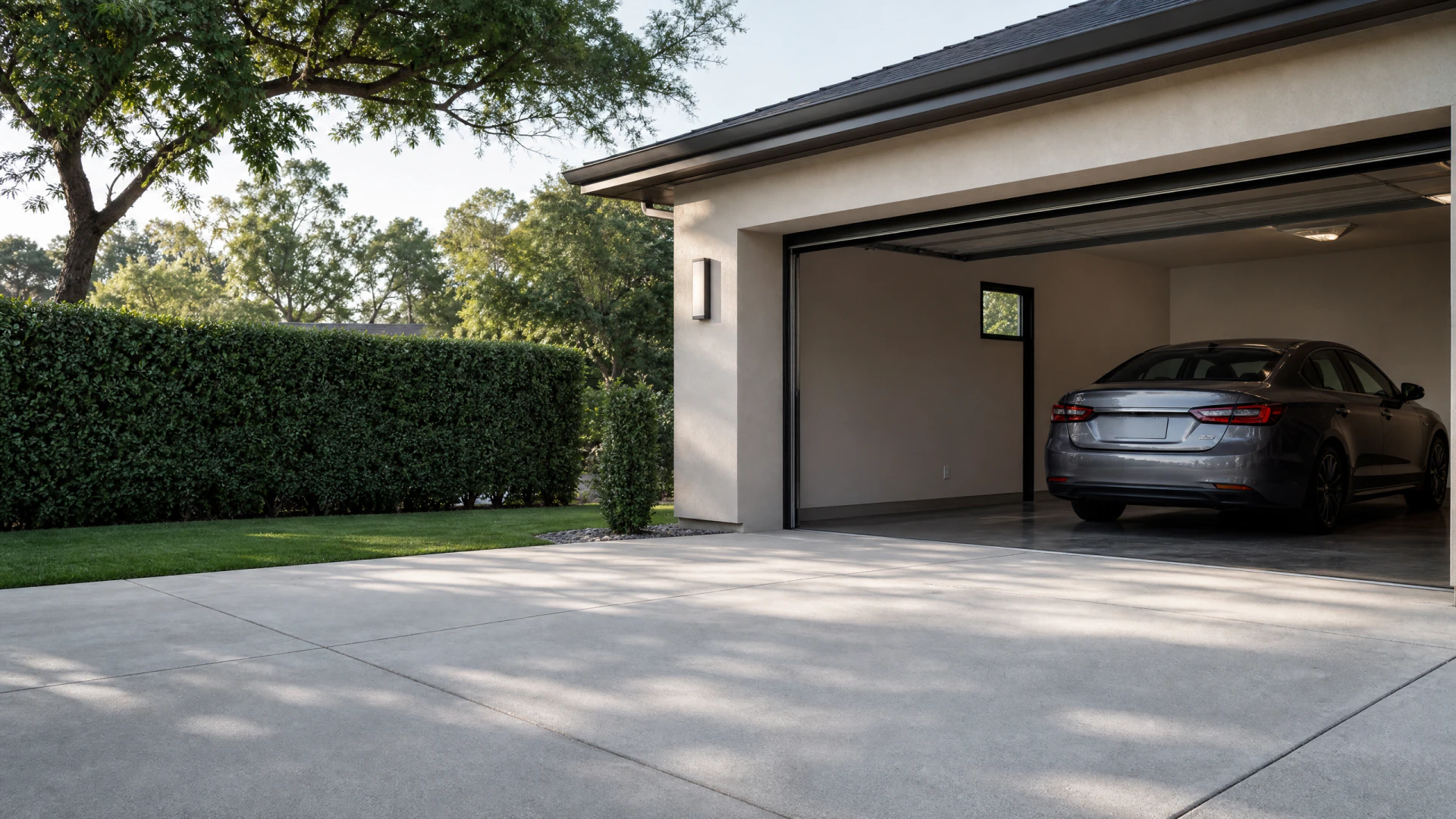
After her husband passed, Carol found the policy renewal notice on his desk. It listed 50/100 limits, the same numbers he'd had for twenty years. She didn't know why he'd picked them, and no one was around to ask. She still had two cars insured, one that her husband drove and now sits in the garage, and she needed to decide what to do with both the limits and the second car before the renewal date.
She called the insurer and asked what 100/300 would cost instead. The difference was small compared to what either policy already cost her monthly, so she raised her limits before touching anything else. Then she dealt with the unused car separately, since that was a different decision with its own tradeoffs. Raising the liability limits felt like the one change she could make with total confidence, because it only affected what happened if she caused an accident, not what she already understood about her coverage.
Does raising my limits affect anything else on the policy?
No. Liability limits only determine what the insurer pays someone else if you're found at fault for injuries or damage. They don't touch your comprehensive or collision coverage, your deductible, or how your own car gets repaired. You can raise liability limits without changing anything else about how the policy works.
This matters because it means you can make this one decision cleanly, separate from bigger questions like whether to keep a second car insured or whether to change collision coverage on a vehicle nobody drives. Treat the limits decision on its own. It's a straightforward swap of more protection for a modest cost difference, and it doesn't require you to understand or decide anything else about the policy first.

Now that you know which limits fit your situation, compare quotes at that coverage level to see what it actually costs.

Whether you raise your liability limits to 100/300
If you do
If you cause a serious accident, the policy pays up to three times more per person and more total per accident. You're far less likely to owe money out of pocket afterward, or face a lawsuit for the remaining balance. The cost difference is usually small relative to the added protection.
If you don't
If you cause a serious accident with injuries, the 50/100 limit can run out quickly, especially with medical costs involved. You could be personally responsible for whatever the policy doesn't cover. That risk exists every day you drive, not just in unusual cases.
Why the higher limits make sense for most people
Liability limits exist to cover the other driver and their passengers when you're at fault, not your own vehicle or injuries. The first number is the most the policy pays for one injured person, and the second is the most it pays total for everyone hurt in that accident. 50/100 means fifty per person and one hundred total. 100/300 means a hundred per person and three hundred total. When there's a serious injury or more than one person hurt, the gap between these two limits can be the difference between the policy covering everything and you owing the rest yourself.
The reason 100/300 doesn't cost much more than 50/100 comes down to how claims actually land. Most accidents never come close to even the lower limit, so insurers price the jump between tiers based on the rare, expensive cases, not the common ones. You're paying a little more to be protected in the accidents that would otherwise be financially devastating, not for everyday fender benders.
Where this gets more complicated is state minimum requirements and umbrella policies. Some states set minimum limits well below 50/100, and insurers vary in what limits they even offer, so check what's available and required where you live. If you also carry or are considering an umbrella policy, that policy usually requires your car insurance to carry at least 100/300 as a condition of the umbrella coverage applying at all, so check that requirement before assuming a lower limit is fine.
The case for staying at 50/100 is narrow. It mainly applies if you have very few assets to protect and no real prospect of future income being garnished, since liability limits exist to protect what you have and what you'll earn. For most people reviewing a policy after a major life change, that narrow case doesn't apply, and the higher limit is the safer default.
These limits protect what you have, not your car, so what matters is what you'd owe someone else.