How Long Can a Car Sit Before the Battery Dies
A parked car's battery will eventually drain, and how soon depends on the car, the weather and the battery's age.
A parked car still draws power even when it's off
A car battery doesn't stop working just because the engine is off. The car's computer, alarm system, clock and other electronics pull a small trickle of power around the clock to keep settings and security active. That trickle is tiny, but over days and weeks with no driving to recharge the battery, it adds up.
How long that takes depends on the battery itself. A newer battery in good health can often hold on much longer than an older one. A battery that's already weaker from age or cold weather might fail to start the car far sooner. This is exactly the situation many people now face with a second car that used to be driven daily and suddenly sits untouched.
Temperature matters too. Cold weather makes a battery work harder to deliver the same power, so a car sitting through winter will drain faster than one sitting through mild weather. Heat has its own effect, speeding up the chemical wear inside the battery over time even if the drain itself is slower.
The car's systems matter as well. Newer vehicles with more electronics, sensors and always-on features tend to draw more standby power than simpler, older cars. If you're deciding whether to keep insurance on a car that isn't being driven, the battery question is separate from the insurance question. But both come from the same fact, which is that an unused car doesn't stay ready on its own.
The short version
A parked car's battery will eventually drain too low to start, and a weaker or older battery will fail sooner than a healthy one. If a car won't be driven for a while, check the battery periodically or start it occasionally. This matters now because deciding whether to keep a second car often comes down to whether it's maintained.
A second car sitting in the driveway since spring
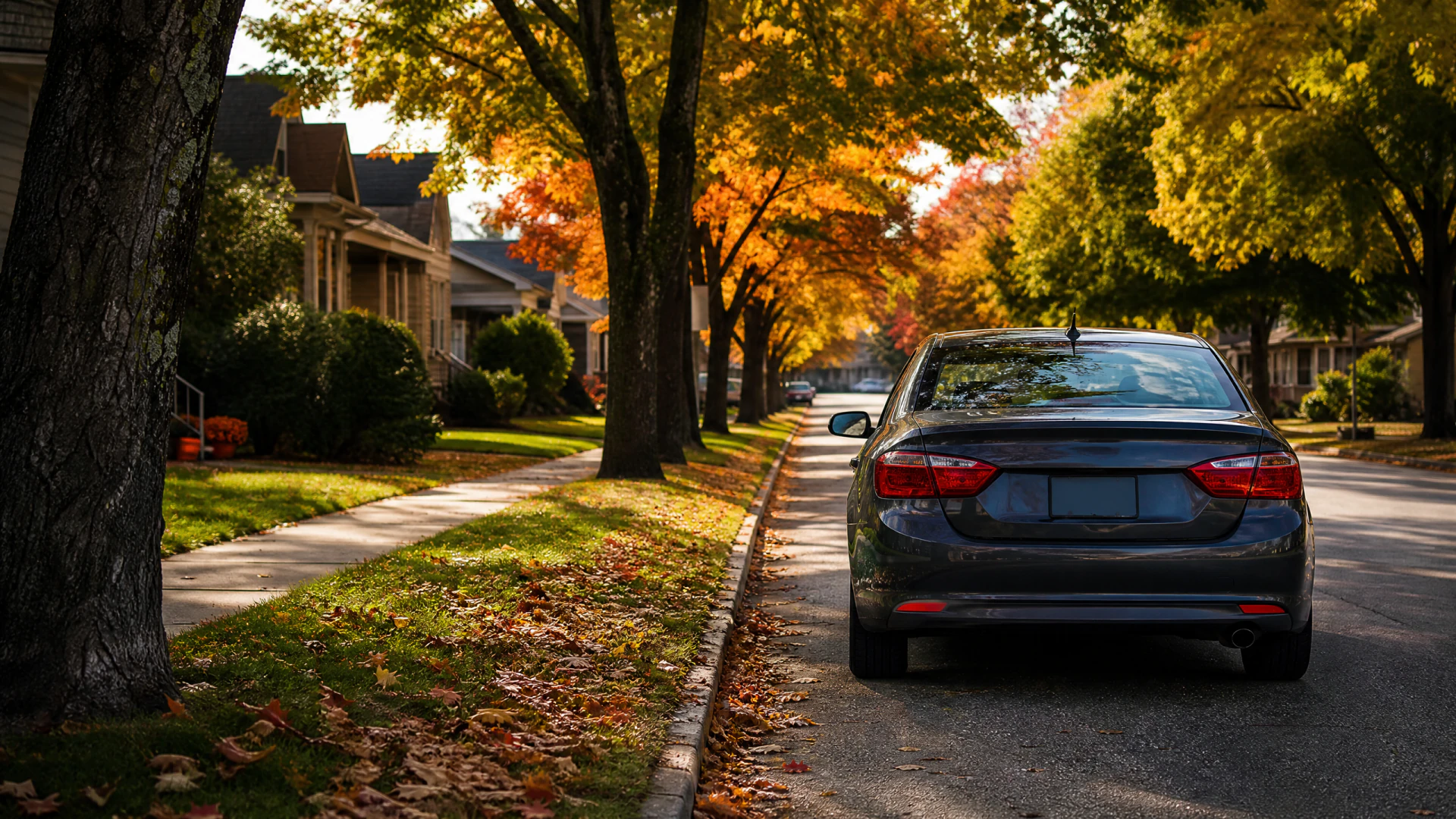
Say a car has sat untouched for a while because it belonged to a spouse and no one has needed to drive it. The owner finally goes out to move it and the engine won't turn over, just a weak click. This is a textbook case of a battery that's lost its charge from sitting, not necessarily a battery that's failed for good.
In a case like this, a jump start is usually enough to get it running again, and then driving it for twenty or thirty minutes lets the alternator recharge the battery. If the car is going to keep sitting unused, the better move is deciding soon whether to keep it, sell it, or have someone drive it regularly, since repeating this cycle every few weeks wears the battery down faster and doesn't solve the underlying problem of an idle car.
Once you decide whether to keep the car running or let it go, you can compare quotes that fit that choice.
Whether you check on the car while it's sitting
If you do
Starting the car every week or two, or driving it briefly, keeps the battery charged and lets you catch problems early. You'll know if the battery is failing before you're stranded, and the car stays in better shape overall if you're deciding whether to keep, sell or insure it later.
If you don't
The battery will likely drain, leaving the car unable to start when you need it. You may need a jump start or a new battery before you can even move the car, which adds a delay right when you're trying to make a decision about keeping or selling it.
Can a dead battery from sitting damage the car or is it just the battery?
In most cases it's just the battery, not lasting damage to the car. A jump start and a drive to recharge it is usually all that's needed. The exception is if the battery has been drained repeatedly over a long period, which shortens its lifespan and makes replacement more likely soon. If the car struggles to start again shortly after a jump, that points to a battery that needs replacing rather than one that was just low.
Does a car battery drain faster in cold weather while parked?
Yes, cold weather makes a battery drain and weaken faster while a car sits unused. The cold slows the chemical reaction inside the battery that produces power, so it has less strength to begin with, and the standby drain from the car's electronics empties it sooner. If the car is sitting through winter, check it more often than you would in mild weather, especially if the battery is already a few years old.
Should I disconnect the battery if I'm not driving the car for a while?
Disconnecting the battery is a reasonable option if the car will sit for an extended stretch and you don't want to check on it regularly. It stops the slow electronic drain completely, though it also resets things like the clock and some settings. If you'd rather not deal with reconnecting it, an occasional drive or a battery maintainer plugged in works just as well without the hassle.