Should I Trade In My Paid-Off Car or Keep It
Keep the car if you still need it or can sell it yourself, trade it in only if you want the decision handled in one step.
What actually decides this is use, cost, and title
- Who's on the title If the car is still titled in your spouse's name, that has to be resolved before you can trade it in or insure it going forward. Check with your state's motor vehicle office about transferring title to your name.
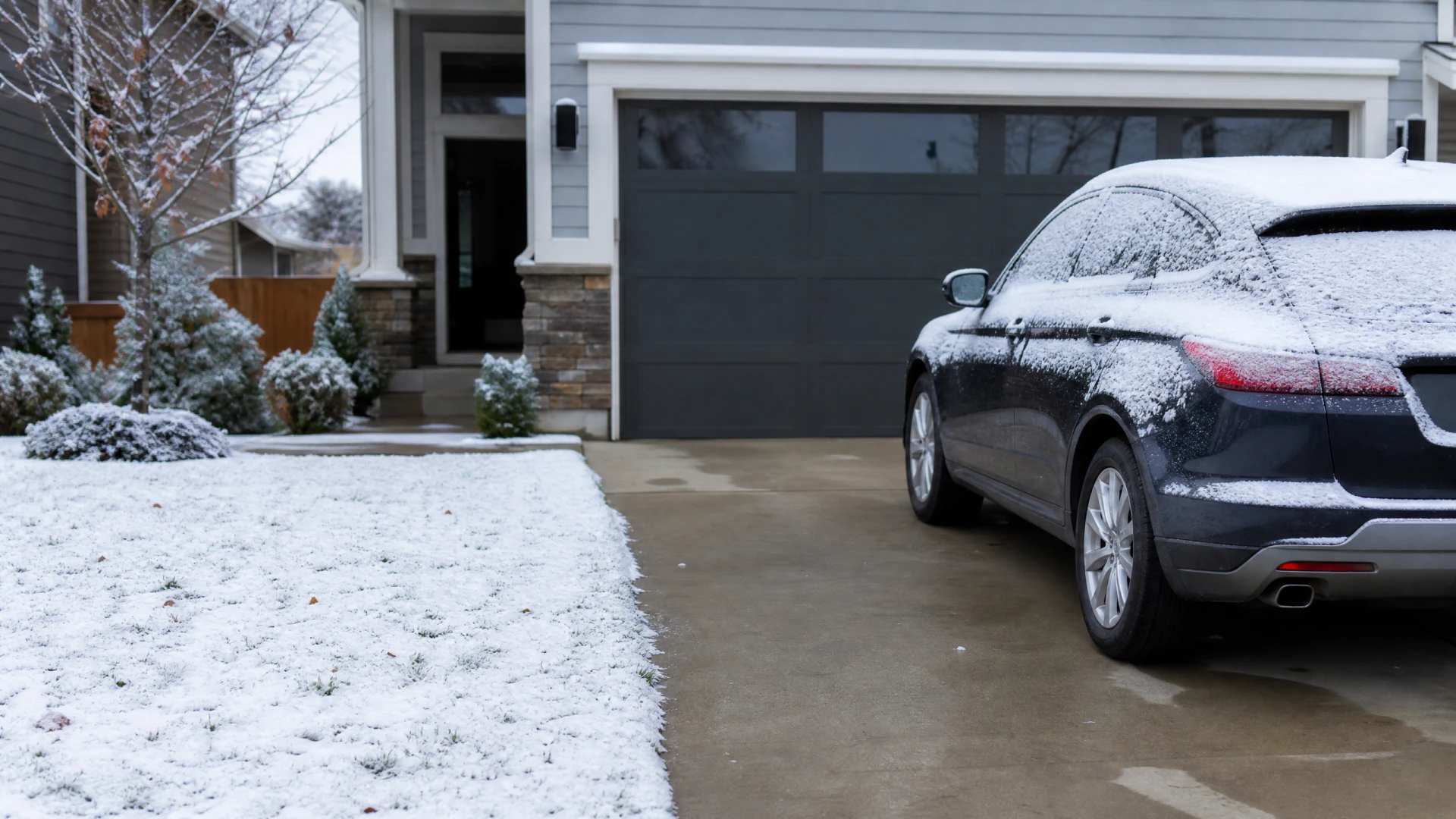
- Whether it still gets driven A car nobody drives still costs money to insure and register every month. If it's sitting unused, that's a real cost with no benefit to you right now.
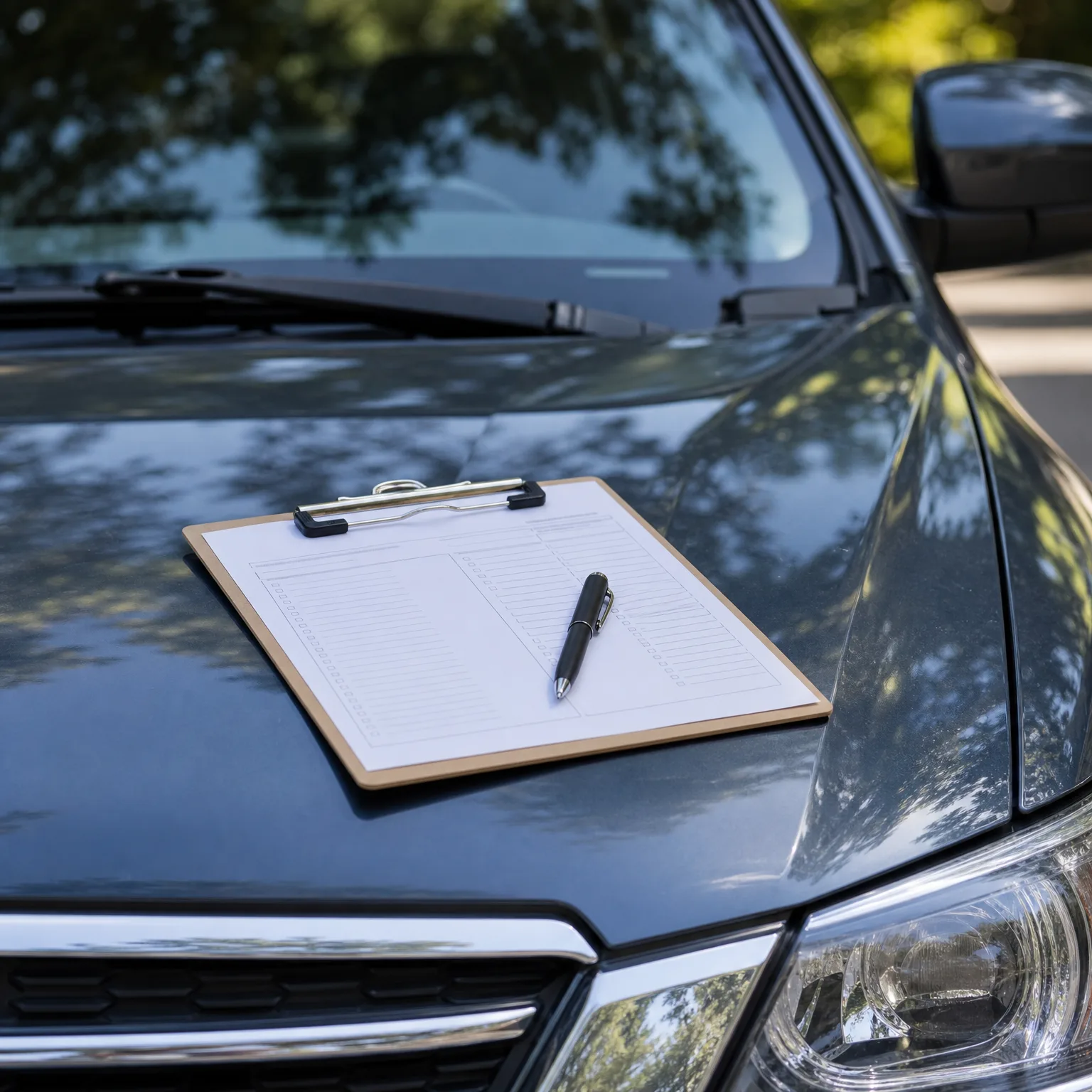
- Trade-in versus selling yourself A dealer trade-in is faster and simpler but usually pays less than selling the car privately. Decide how much time and effort you want to spend before choosing either path.
- What happens to the policy Dropping a car from your policy usually lowers your premium, and some insurers prorate a refund for time left unused. Call your insurer before you sell or trade so the coverage change lines up with the sale date.
- No rush to decide today You can keep the car insured and parked while you think this through, there's no deadline forcing an immediate choice. Give yourself time to decide without that pressure.
Will keeping two cars but only driving one cost me more than it's worth?
It depends on what you're paying to insure and register the second car against what you'd gain by selling it. A car that just sits still needs some form of coverage in most states, even a reduced policy for a parked vehicle, and that coverage still costs something every month.
If the car has real value and you're not using it, the money sitting in that car is probably worth more to you than the convenience of having it in the driveway. But if it's older, worth little, or you expect to need a second car again soon, carrying it a while longer may cost less than you think.
Call your insurer and ask what a policy for a stored or rarely driven car would cost compared to what you're paying now. That number, more than anything else, should guide what you do next.

Whether you trade the car in or keep it for now
If you do
If you trade it in, the dealer handles paperwork and title transfer, and you walk away with one transaction done. You'll likely get less money than selling privately, but the process ends quickly and you don't have to manage a sale yourself.
If you don't
If you keep it, you still need to decide on insurance for a car that may sit unused, and the title issue has to be sorted either way. You keep flexibility to sell later or use the car, but it stays as one more thing on your list.
Once you know whether you're keeping, selling, or trading in the car, compare quotes that match your plan.

How do I transfer a car title after my spouse dies?
The process depends on your state, but it usually involves bringing a death certificate and proof of your relationship to the motor vehicle office, along with the current title. Some states have a simplified process for surviving spouses that skips probate for vehicles specifically. Check with your state's motor vehicle office directly, since documents and steps vary. Until the title is transferred, you may not be able to sell, trade, or sometimes even insure the car properly.
Can I remove a car from my insurance policy without canceling the whole policy?
Yes, you can usually remove a single vehicle while keeping the rest of your policy active, and this is the normal way to handle a sold or traded car. Call your insurer and tell them the date of sale or trade so the change takes effect at the right time. Removing a car typically lowers your premium since you're insuring less. Ask whether you're due a refund for any prepaid period you won't use.
What should I do with a car that just sits in the driveway unused?
Decide first whether you'll use it again soon or whether it's time to sell it, since that decision drives everything else. If you're keeping it short term, ask your insurer about reduced coverage for a stored or rarely driven vehicle, which usually costs less than full coverage. If you don't expect to use it, selling sooner avoids paying for insurance and registration on a car providing no value. What changes the answer is whether the car still runs well and has resale value worth capturing now.
This is three decisions, the title, the insurance, and the sale, and none has to happen today.