Are Cars Meant to Be Driven Every Day
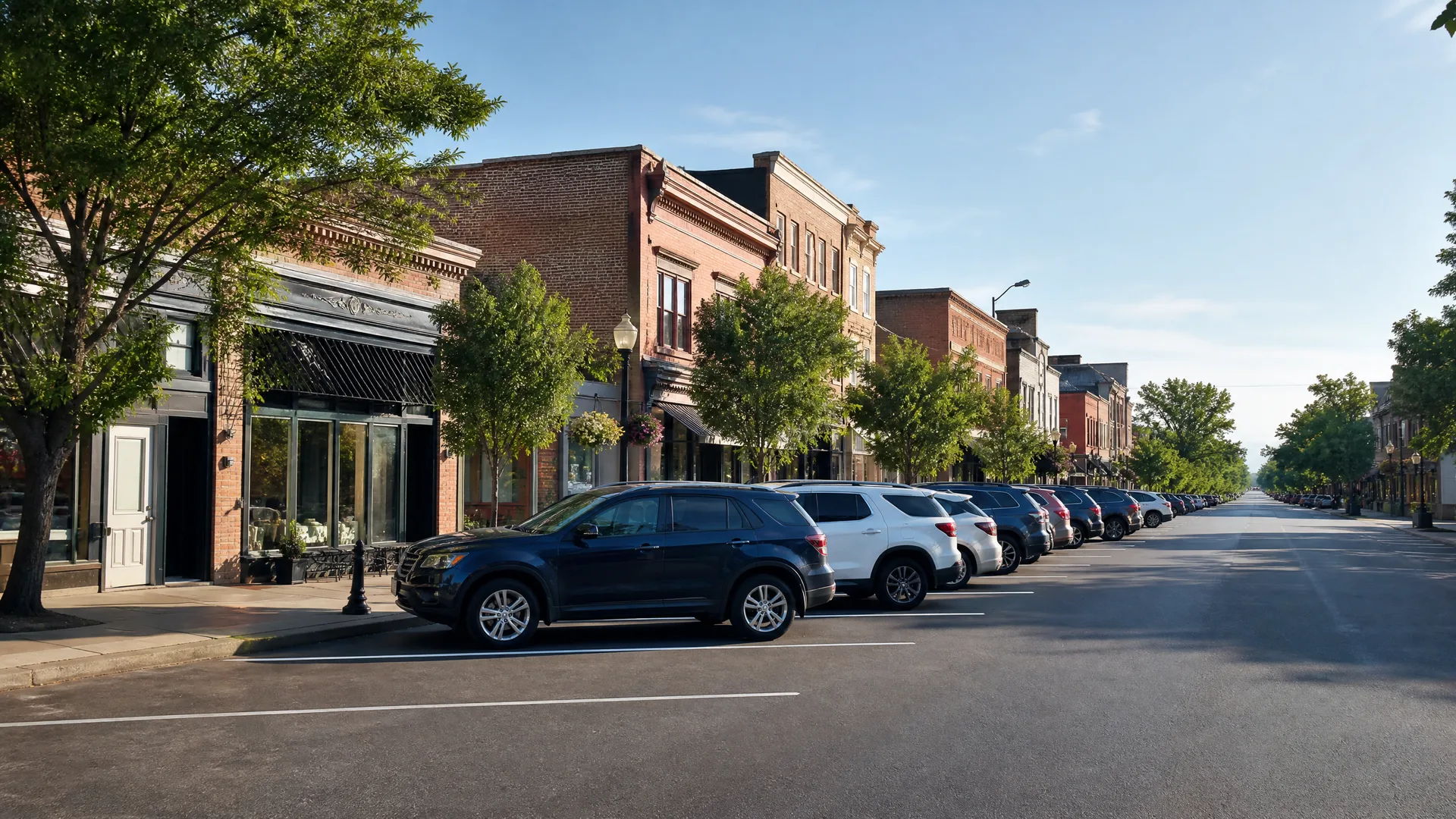
No. A car can sit for days or weeks without harm to it or your coverage, but a parked car still needs the right policy.
When a Second Car Became a Parked Car
After her husband passed, Carol kept his sedan in the garage. He had driven it daily, she rarely touched it, and six months later it had moved maybe twice. She still had it insured the same way he always had, full coverage with the same deductibles, same commute mileage listed, as if someone drove it to work every morning.
She called her agent to ask what made sense now. They walked through how often she actually used it, which turned out to be almost never, and talked about whether she needed collision coverage on a car that mostly sat still versus keeping comprehensive to protect against theft or weather damage. She also mentioned she'd been thinking about selling it since one driver in the house didn't need two cars. In the end she adjusted the mileage estimate down, dropped collision, and kept comprehensive while she decided whether to sell. Her premium dropped, and she felt like the policy finally matched reality instead of a routine that no longer existed.
Should I sell the car instead of keeping it insured and parked?
That depends on what the car is worth to you beyond transportation, and whether keeping it costs more than it's worth. If nobody drives it and it's not sentimental, selling often makes more sense than paying to insure and maintain a car that sits.
But there's no rule that says a parked car has to go. Some people keep a second car for visiting family, for emergencies, or simply because they're not ready to decide yet. If that's you, you can lower the cost of keeping it by adjusting coverage to match how little it's used, rather than treating the decision as all or nothing. Give yourself time if you need it. The insurance side can be adjusted either way, so it doesn't have to force the decision.
A parked car still needs coverage, just coverage that matches how little it's actually used.
Once you know whether to keep, adjust, or let go of the car, compare quotes to match the choice you made.

What to Check Before You Decide Anything
- Actual usage Think about how many times the car left the driveway in the last few months. That number should guide whether you keep full coverage or scale it back.
- Storage coverage If a car sits most of the time, ask whether you can lower liability exposure tied to driving while keeping comprehensive for theft, fire, or weather. This protects value without paying for daily use you don't have.
- Battery and mechanical health Cars that sit too long can develop battery, tire, or fluid problems unrelated to insurance. Starting it occasionally or driving it briefly keeps it in working order if you plan to keep it.
- Title and ownership If the car is still titled in your spouse's name, that's separate from insurance and may affect what you can do with the car. Check with your state's motor vehicle office about transferring title before selling or re-insuring it long term.
- Selling versus storing If you're unsure whether to keep the car, ask your agent what a short term adjusted policy would cost compared to canceling coverage entirely. That answer often makes the decision clearer than guessing.
Does my insurance go up if I don't drive a car much?
No, it usually goes down, not up. Insurers price policies partly on expected mileage, so telling them you drive less can lower your premium. What changes the price upward is if the car sits uninsured or unregistered and then gets reinsured later, since some insurers treat a lapse as risk. Check with your insurer how they define low mileage and whether you need to report an estimate or if they track it automatically.
Can I remove a deceased spouse from a car insurance policy?
Yes, and most insurers have a simple process for this once you provide a death certificate. The policy gets rewritten in your name alone, and your rate may change based on your own driving history rather than a combined one. Check whether removing them affects any discounts you had together, like a multi-driver discount, since losing that could offset savings elsewhere.
What happens if I stop driving a car but don't cancel the insurance?
Nothing bad happens, you simply keep paying for coverage on a car that isn't being used. It's not a mistake, but it may not be the cheapest option. What would change this is if you decide you don't need the car long term, in which case adjusting or canceling coverage saves money without any downside, since an unused car carries no claims to protect against besides theft or damage while parked.