At What Point Is It Not Worth It to Repair a Car
A repair stops being worth it once the cost gets close to what the car is worth or what it would take to replace it.
It comes down to the car's worth, not how it feels
The real test is simple. Compare the repair cost to the car's actual value right now, not what you paid for it or what it meant to your family. If the repair costs close to or more than that value, you're paying to keep an asset that isn't worth the money you're putting into it.
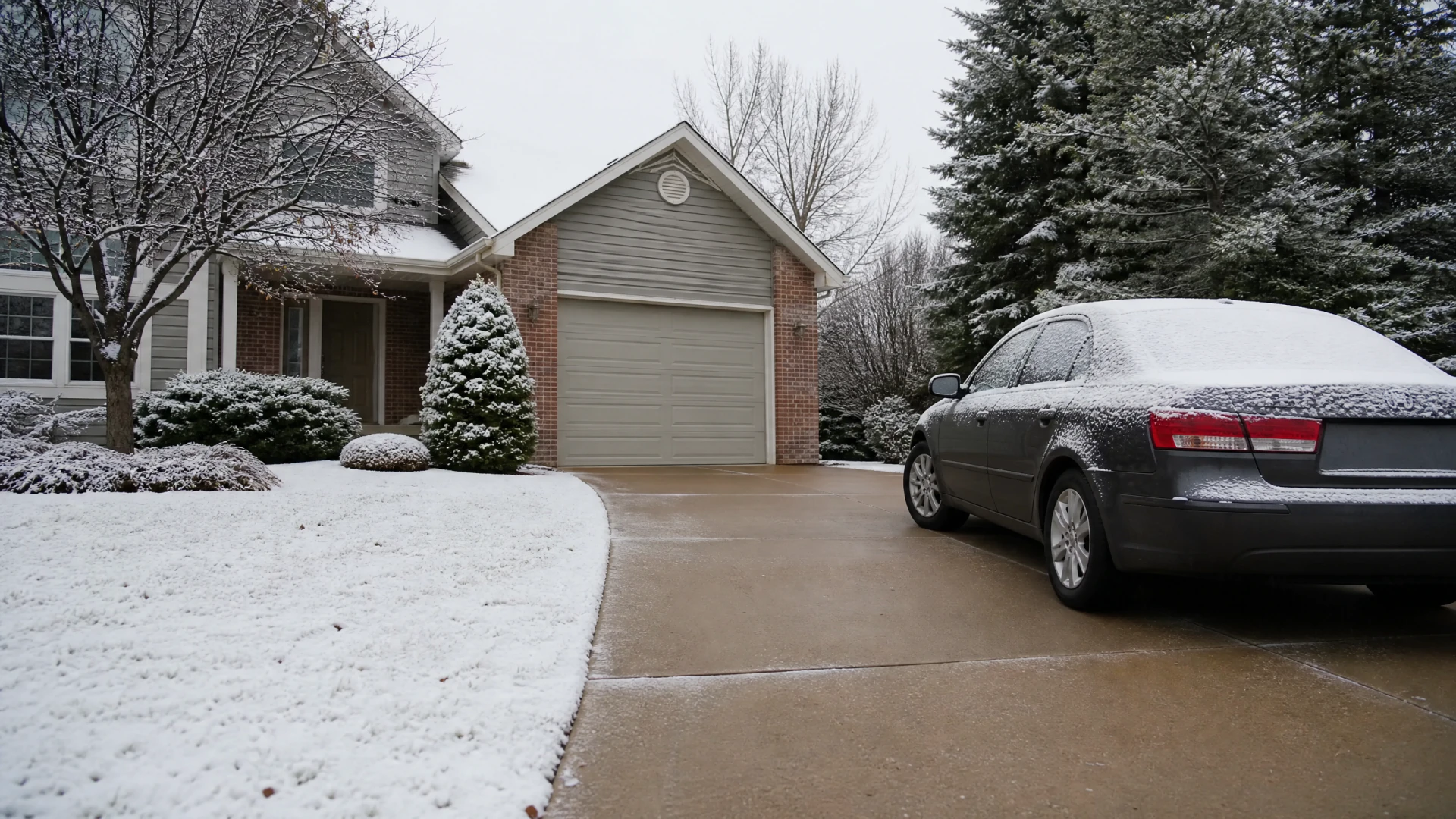
The harder part for you right now is that this car may not have a clear job anymore. If nobody drives it regularly, even a cheap repair might not be worth doing, because you're fixing a car so it can sit in a driveway. The question isn't only what the repair costs, it's what the car is for.
There are cases where it still makes sense to repair even at higher cost. If the car has no loan on it, if it's simple to insure and cheap to keep registered, and if you expect to need a second car again soon, holding onto it through one repair can beat the cost and hassle of buying another car later. That calculation changes if the car needs several repairs in a row, since that pattern usually means more are coming.
What varies by state is how titling, registration holds, and smog or safety inspections work, especially if the title is still in your spouse's name. Check with your state's motor vehicle agency before you spend money on a repair, since a titling issue can cost more time and money than the repair itself.
What to weigh before you pay for the repair
- Compare cost to value Get the car's real current value, not its original price. If the repair is close to that number, you're likely better off not spending it.
- Check who actually needs it If no one drives this car regularly, a repair keeps an idle asset running. Decide first whether you need two cars at all.
- Look at repair history One repair is a data point, several in a row is a pattern. A car that keeps needing work will keep costing you after this fix too.
- Confirm the title situation If the car is titled to your spouse, sort that out before spending on repairs. A title problem can block a sale or a repair shop's work entirely.
- Price out your alternative Know what replacing the car would actually cost before you decide to fix it. A cheap replacement can beat an expensive repair even on a car you like.
Should I keep the second car or sell it instead of repairing it?
If nobody is driving the car regularly, selling it is usually the stronger move, repaired or not. A car that sits unused still costs you in insurance, registration, and upkeep, and a repair just adds to that running total without giving you anything back.
Keep it only if you have a real reason to expect you'll need two cars again soon, such as a family member moving in or returning to regular driving. If that's not likely in the near future, selling now, even as-is or with the repair skipped, usually nets you more than fixing it up to sell later. Get a value estimate on the car in both conditions before you decide, so you're comparing real numbers instead of guessing.
Once you know whether this car is worth repairing, compare quotes for coverage that fits what you're actually keeping.

Is it worth fixing a car with a lot of miles on it?
It depends on the car's value now, not its mileage alone. High mileage lowers value, but plenty of high-mileage cars run reliably for years. Check the repair cost against the car's current market value and its recent repair history before deciding. A car with high miles but a clean recent record can still be worth fixing.
What happens to insurance if I stop driving a car but don't sell it?
You can usually switch to a reduced or storage type of coverage instead of full coverage, which lowers the cost while the car sits unused. Check with your insurer about what's required to keep the policy active and legal in your state, since rules on minimum coverage for a parked car vary.
Can I cancel insurance on a car that's still in my spouse's name?
Usually yes, but the process depends on how the policy and title are set up in your state. You may need to update the title or registration first, or provide documentation, before an insurer will let you cancel or change the policy. Check with your state's motor vehicle agency and your insurer together, since the answer depends on both.
This isn't really a repair decision, it's a decision about whether you still need a second car at all.