Can a Car Sit Idle for 2 Months
Yes, a car can sit idle for two months, but the real question is what to do with its insurance while it waits.
Why the car itself isn't the issue, the policy is
A car doesn't care whether it's driven. It sits in the driveway the same way whether it's insured or not. What actually matters is what happens to the policy during those two months, because that decision affects coverage, cost and what happens if anything goes wrong while the car sits there.
Most policies don't require you to drive the car to keep it insured. You can carry liability and comprehensive coverage on a car that never leaves the garage. The question is whether that's the right amount of coverage for a car that isn't being driven, or whether you're paying for pieces you don't need right now, like coverage for an accident that can't happen if no one's behind the wheel.
This is where it gets specific to you. If the title is still in your spouse's name, some insurers will let you keep the policy as is for a while, and others want the title and policy to match. Rules about this vary by state and by insurer, so you'll want to call and ask directly what they require and by when.
The other variable is whether you plan to sell the car, give it to a family member, or keep it for later. That decision shapes whether you should scale coverage down temporarily or go ahead and change ownership now. There's no single right order to do these things in, but doing them in the wrong order can cost you coverage you needed.
What to look at before you decide anything
- Check the title name If the car is titled in your spouse's name, find out what your insurer and state require to keep or transfer coverage. This affects what you're legally allowed to do next.
- Ask about reduced coverage Many insurers offer a lower tier of coverage, like comprehensive only, for cars that aren't being driven. Ask specifically what it covers and what it drops.
- Don't let the policy lapse Letting insurance lapse entirely, even on a parked car, can raise your rates later and may violate state law if the car is still registered. Keep at least minimum coverage active.
- Decide the car's future first Whether you'll sell it, keep it, or give it away changes what you do with the policy now. Figure out the destination before you touch the coverage.
- Call before you cancel Don't cancel coverage based on assumptions about what you need. Call your insurer and describe the exact situation, a car sitting unused for two months, and ask what they recommend.
A car sitting in the driveway after a loss
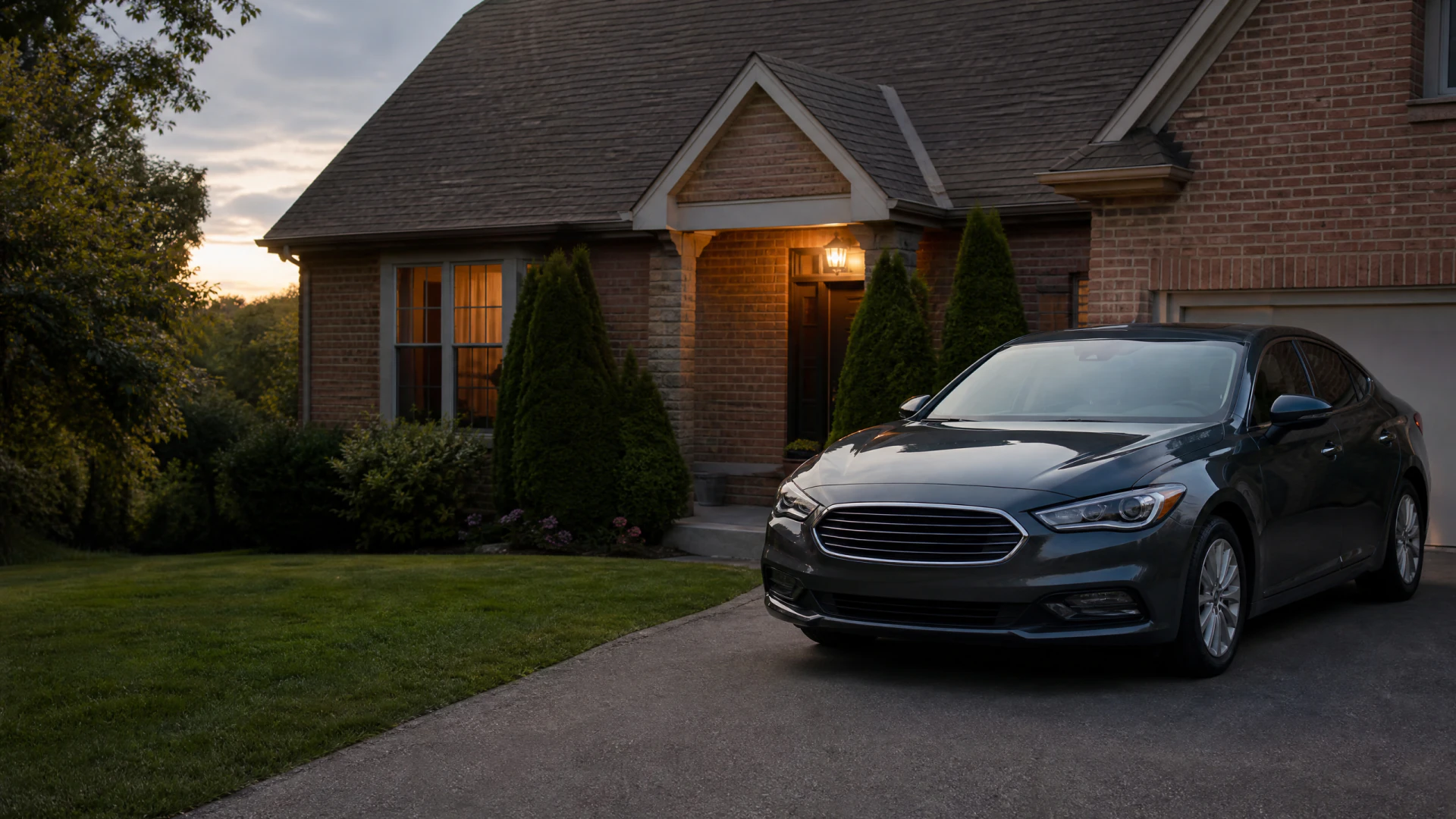
One reader's husband had driven a second car to work every day, and after he passed, the car sat untouched in the driveway. She didn't know if she needed to keep paying full coverage on a car nobody drove, but she also didn't want to lose insurance on something that still had value and could still be stolen or damaged in a storm.
She called her insurer and explained the situation plainly. They walked her through switching the car to comprehensive-only coverage, which protects against theft, fire and weather damage but drops the liability and collision pieces tied to driving. It cost less each month, and she kept that coverage in place while she decided over the next couple of months whether to sell the car or hand it down to her son. When she was ready, switching the title and either canceling or transferring the policy took one more phone call.
Once you know how you'll cover the idle car, compare quotes to see what reduced coverage actually costs.
Should I cancel the policy instead of reducing it?
Not usually, and here's why. Canceling ends all coverage, which means the car is exposed to theft, fire, falling trees or anything else that can happen to a parked vehicle. It also means if you decide to drive it again, even briefly, you're doing so with no insurance at all, which is illegal in most places if the car is registered.
Reducing coverage, rather than canceling it, keeps protection in place for the risks that still exist while removing the pieces tied to active driving. It usually costs less than full coverage but more than nothing. If you're fairly certain the car will be sold or given away soon, ask your insurer what happens if you cancel now versus wait until the transfer is final. The right choice depends on your timeline, not just the cost.

Reducing coverage on the car versus canceling it outright
If you do
You keep protection against theft, fire, and weather while the car sits unused. If anything happens to it, you're covered. When you're ready to sell, transfer, or start driving it again, the policy is already in place and just needs adjusting, not rebuilding from scratch.
If you don't
If you cancel instead, you save more each month, but the car is uninsured against everything, including theft and storm damage. If you ever drive it again without reinstating coverage first, you risk fines or worse. Restarting a lapsed policy can also cost more than keeping it continuous.
Does the car need to be registered if it's not being driven?
It depends on your state, and this is separate from insurance. Some states let you keep a car registered without driving it, others require you to surrender plates or file for non-use status if it sits idle. Check with your state's motor vehicle agency, because registration rules often determine whether you're required to carry insurance at all.
Will my rates go up if I add this car back to my policy later?
It depends on the gap in coverage, not the fact that the car sat idle. If you kept continuous coverage, even reduced, reactivating full coverage usually doesn't trigger a rate increase. If the policy lapsed completely, insurers may treat you as a higher risk when you restart it. Ask your insurer directly how they treat lapses before deciding to cancel.
Can I remove my spouse from the policy without affecting coverage?
Yes, in most cases, but the car's title matters more than the policy. If the title is only in your spouse's name, you'll likely need to transfer title first, through probate or a simplified process depending on your state. Once that's done, updating the policy to reflect the new owner is usually straightforward. Ask your insurer what documents they need.