Can I Cancel My Car Insurance Policy and Start a New One
Yes, you can cancel at any time and switch, as long as the new policy starts before the old one ends.

What to line up before you cancel anything
- New policy first Get the new policy active before you cancel the old one. A gap of even a day can show up later and raise what you pay.
- Whose name is on it If the policy is still in your spouse's name, check what it takes to retitle it in yours. Insurers handle this differently, so ask directly.
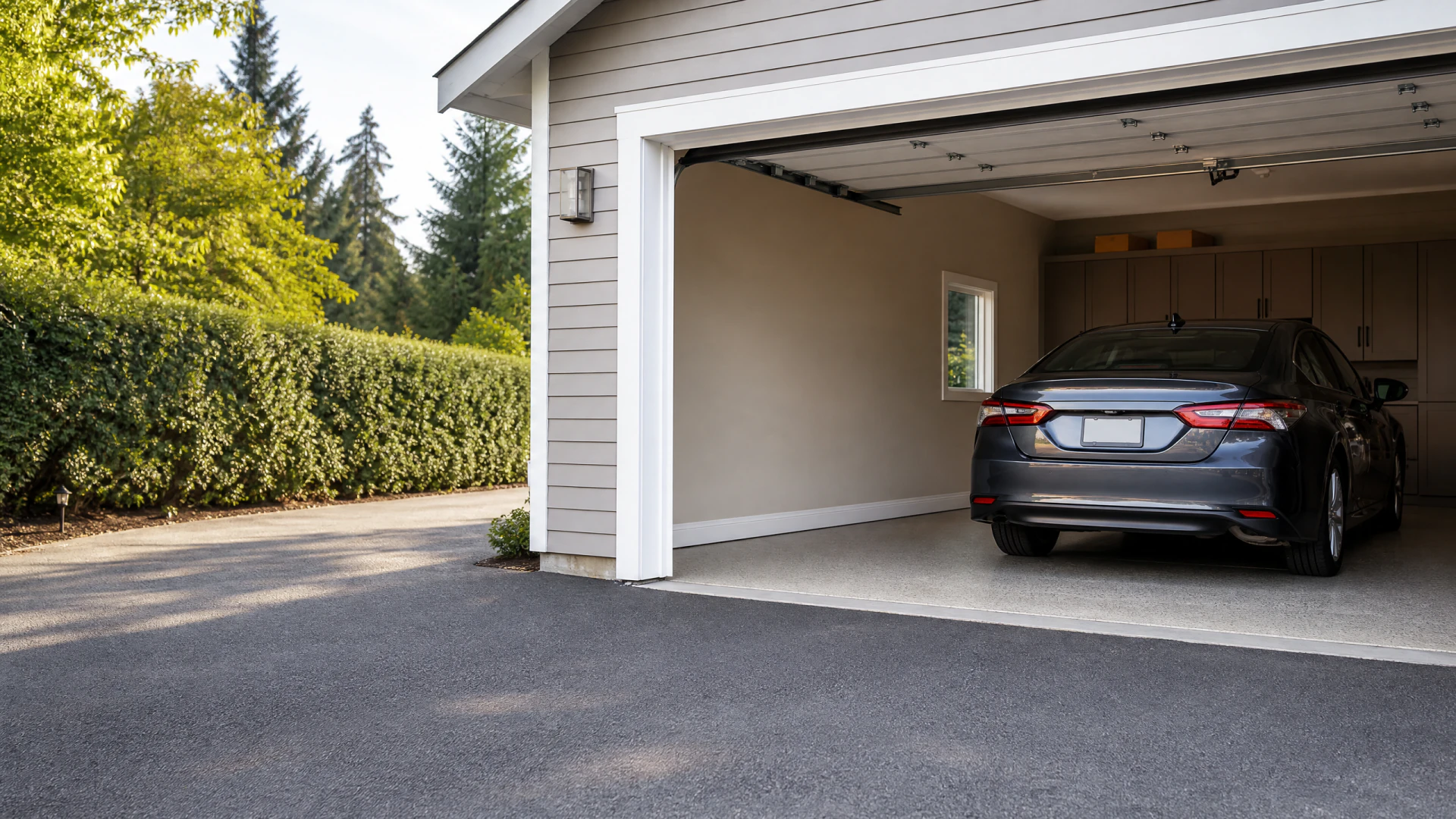
- The unused car A car nobody drives still needs some coverage if it's titled and parked anywhere but private property. Ask about a reduced policy for a car that's off the road.
- Refund timing Canceling mid-term usually means a refund for the unused time. Ask how and when it's paid out, since insurers differ on this.
- Proof of coverage Some states check for a coverage gap automatically. Have your new policy's start date and ID card ready in case anything gets flagged.

Switching a policy that was never in your name
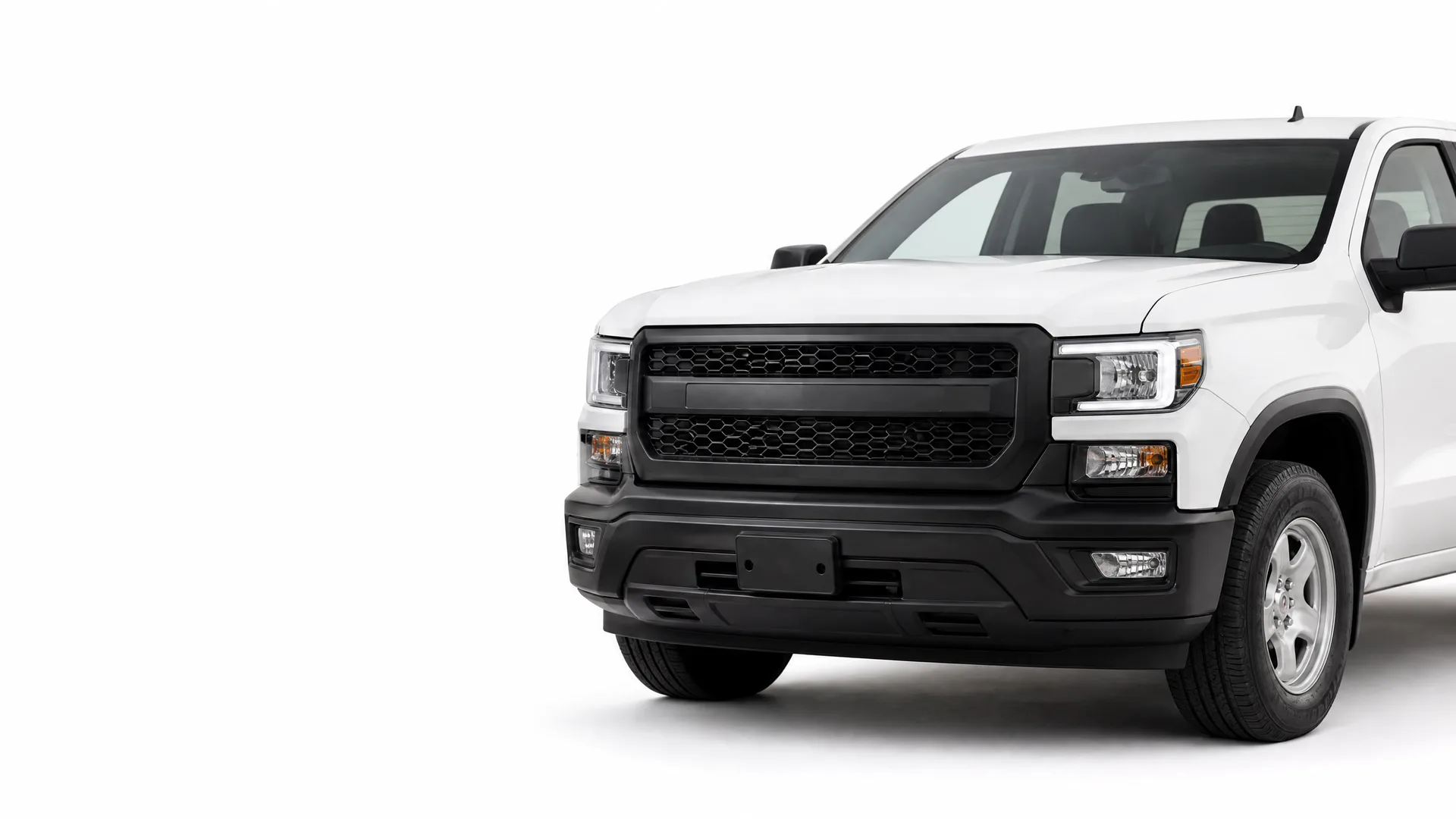
A woman whose husband had managed their insurance for decades found the policy, both cars, and the agent relationship were all in his name. She didn't want to keep paying for his old pickup truck, which had sat in the driveway since he passed, but she also didn't want to lose coverage on the car she drove every day.
She called the insurer first, before canceling anything, and asked what it would take to move the daily driver into a policy under her own name. They walked her through retitling the policy using the death certificate, and she got a quote for keeping just her car insured. For the truck, she asked about a storage-only policy instead of canceling it outright, since she wasn't ready to sell it yet. She set the new policy's start date a day before the old one ended, so there was no gap, then canceled the old policy once the new one was confirmed active. The whole thing took one phone call and a few days of waiting on paperwork.

Canceling before the new policy starts
If you do
If you cancel the old policy first, you may have a short period with no coverage at all. If anything happens during that gap, a stop at a light, a parked car getting hit, you're paying out of pocket with nothing behind you.
If you don't
If you wait until the new policy is active before canceling, there's no gap. Your car is covered the entire time, and canceling the old policy becomes a simple call instead of something you have to rush to avoid a lapse.
Now that you know how to switch without a gap, compare quotes and pick the policy that fits where things stand now.

Why this is yours to decide, not something you inherit
Car insurance is a contract you can end whenever you want. There's no fixed term you're locked into, even if the policy was set up years ago by someone else. The only real constraint is making sure another policy is in place before the old one ends, because the state and the lender on any car loan both expect continuous coverage.
When a policy was handled by a spouse, the paperwork catches up to a life change slower than the change itself. The policy, the titles, and the agent relationship may all still reflect how things were set up originally. None of that is wrong exactly, it's just unfinished. Moving it into your name is usually a documentation step, not a renegotiation, though insurers vary in what they ask for.
A car that's no longer driven complicates this because full coverage and no coverage aren't the only two options. Most insurers offer something in between for a car that's parked and not registered for the road, covering it against theft or damage without paying for the driving-related parts of the policy. Whether that's available, and what it requires, depends on the insurer and sometimes the state, so it's worth asking rather than assuming either extreme is the only choice.
The cases where this gets more complicated are usually about money already paid, like a policy paid in full for the year or a multi-car discount tied to both vehicles. Canceling one piece of that can change what the other costs. That's not a reason to avoid canceling, just a reason to ask what changes before you do it.
This isn't a policy you're stuck with, it's a decision that's overdue and entirely yours to make now.