Can I Drive Someone Elses Car on My Insurance
In most cases your own insurance follows you as the driver, but the car's policy is usually what pays first.

What decides whether you're covered
- Whose policy pays first The car's own insurance is almost always the first line of coverage, not yours. Check the owner's policy for who's allowed to drive it before you assume anything.
- Occasional versus regular use Borrowing a car once in a while is usually fine without any changes. If you're driving it regularly, the owner may need to add you as a listed driver.
- Permission matters Coverage generally depends on the owner having given you permission to drive. Always ask first and keep that understanding clear between you.
- Your policy as backup If the car's coverage isn't enough, your own policy may step in behind it. Know your own limits so you're not surprised if something happens.
- State and insurer differences Some states and insurers treat occasional drivers differently than others. Call the insurer on the car's policy and ask directly before you drive it.

The short version
The car being driven is usually covered first, with the driver's own policy acting as backup if needed. This works because insurance is tied to the vehicle as much as the person. Before you drive someone else's car, confirm with the owner's insurer that occasional use is fine.
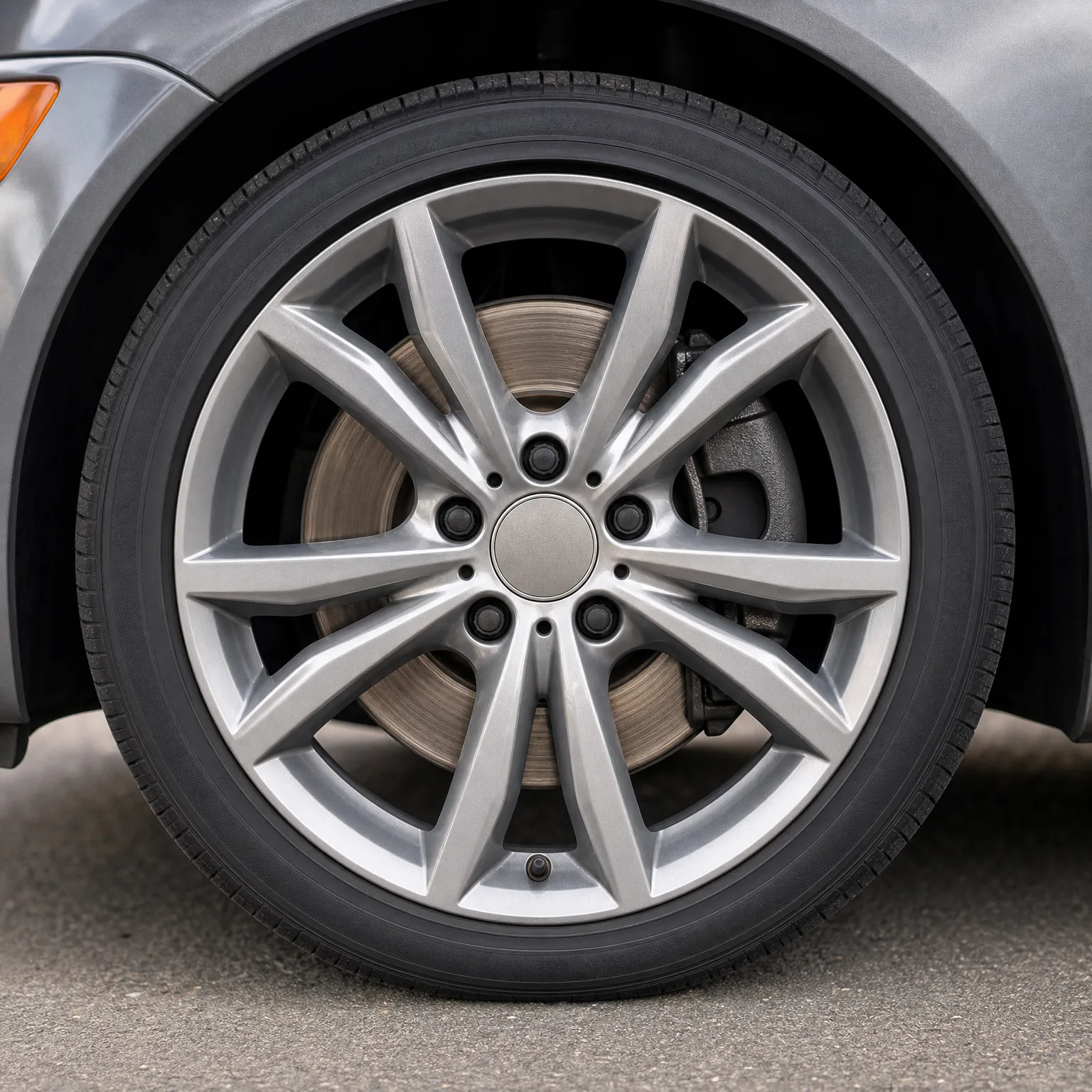
Borrowing your sister's car for a weekend trip
You needed a car for a weekend trip and your sister offered hers since you don't own one right now. Before you left, you called her insurer to ask if occasional drivers were covered under her policy, and they confirmed that as long as she gave permission, you were covered while driving it.
The trip went fine and nothing happened, but you felt better knowing where you stood. A few months later you borrowed the car again for a longer trip, and because it was becoming more regular, her insurer suggested adding you as a listed driver. That changed her premium slightly, but it meant neither of you had to worry about coverage gaps the next time you needed the car.
Once you know whose policy covers you, compare quotes to make sure your own coverage fits how you actually drive.

Should you ask to be added as a listed driver
If you do
Being added means the owner's insurer knows you drive the car regularly and coverage is clear from the start. If something happens, there's no question about whether you were an occasional or regular driver. It may raise the premium a little, but it closes any gap before it matters.
If you don't
If you keep borrowing the car without being added, you're relying on occasional-driver rules that vary by insurer. Most of the time this is fine for infrequent use, but if driving becomes regular, an insurer could question coverage after a claim. Ask the owner's insurer directly if you're unsure where the line is.
Does my insurance go up if I let someone borrow my car?
It can, but usually only if that person drives it often enough to be added as a listed driver. One-time or occasional borrowing typically doesn't affect your rate at all. What matters most is how often the car is used and by whom, so if a friend or family member borrows it regularly, call your insurer and ask whether they should be added. This protects both of you and avoids surprises if a claim comes up later.
What happens if I get in an accident driving a friend's car?
The friend's insurance usually pays first since the claim follows the car, not the driver. Your own policy may apply afterward if the damage or injury costs more than their coverage allows. What changes this is whether you had permission to drive the car and whether you're a regular or occasional driver in their insurer's eyes. Always report the accident to the car's insurer first, then let them tell you if your own policy needs to get involved.
Do rental cars work the same way as borrowing a friend's car?
Not exactly, because rental agreements often include their own insurance options separate from personal auto policies. Many personal policies do extend to rental cars for occasional trips, but this varies by insurer and sometimes by state. Check with your insurer before renting to see if you're covered without buying the rental company's add-on insurance. If your policy doesn't extend to rentals, the rental company's coverage becomes your main protection instead.