Can I Get Insurance for Two Cars with Only One Driver
Yes, you can insure two cars with one driver, usually on a single policy that covers both.
Insurers price the driver and the car together, not just the car
Car insurance follows two things at once, the person behind the wheel and the vehicle itself. A single driver can be listed on a policy that covers multiple cars, and insurers do this all the time for households that end up with more vehicles than drivers. The policy simply lists you as the driver and assigns you to both cars, even though you can only drive one at a time.
What changes is how each car gets treated underneath that policy. The car you actually drive gets rated normally, based on how it's used. The second car, if it mostly sits, can often be rated as a lesser-used or stored vehicle, which usually costs less to insure. The exact name for this and the rules around it vary by insurer, so it's worth asking directly how a rarely driven car is classified.
There are cases where it works out differently. If the second car is not driven at all, some people choose to carry only liability or comprehensive coverage on it instead of full coverage, since there's no driving risk to insure against, only the risk of damage sitting in a driveway or garage. Other people choose to cancel insurance on it entirely and store it properly instead, though this depends on your state's rules about keeping a registered car uninsured.
The other variable is titling. If the second car is titled in a spouse's name, some insurers want it retitled before they'll keep it on your policy long term, while others are flexible for a transition period after a death. This is one of the clearest places where it pays to just ask your insurer what they require.
A second car sitting in the garage after a spouse's death
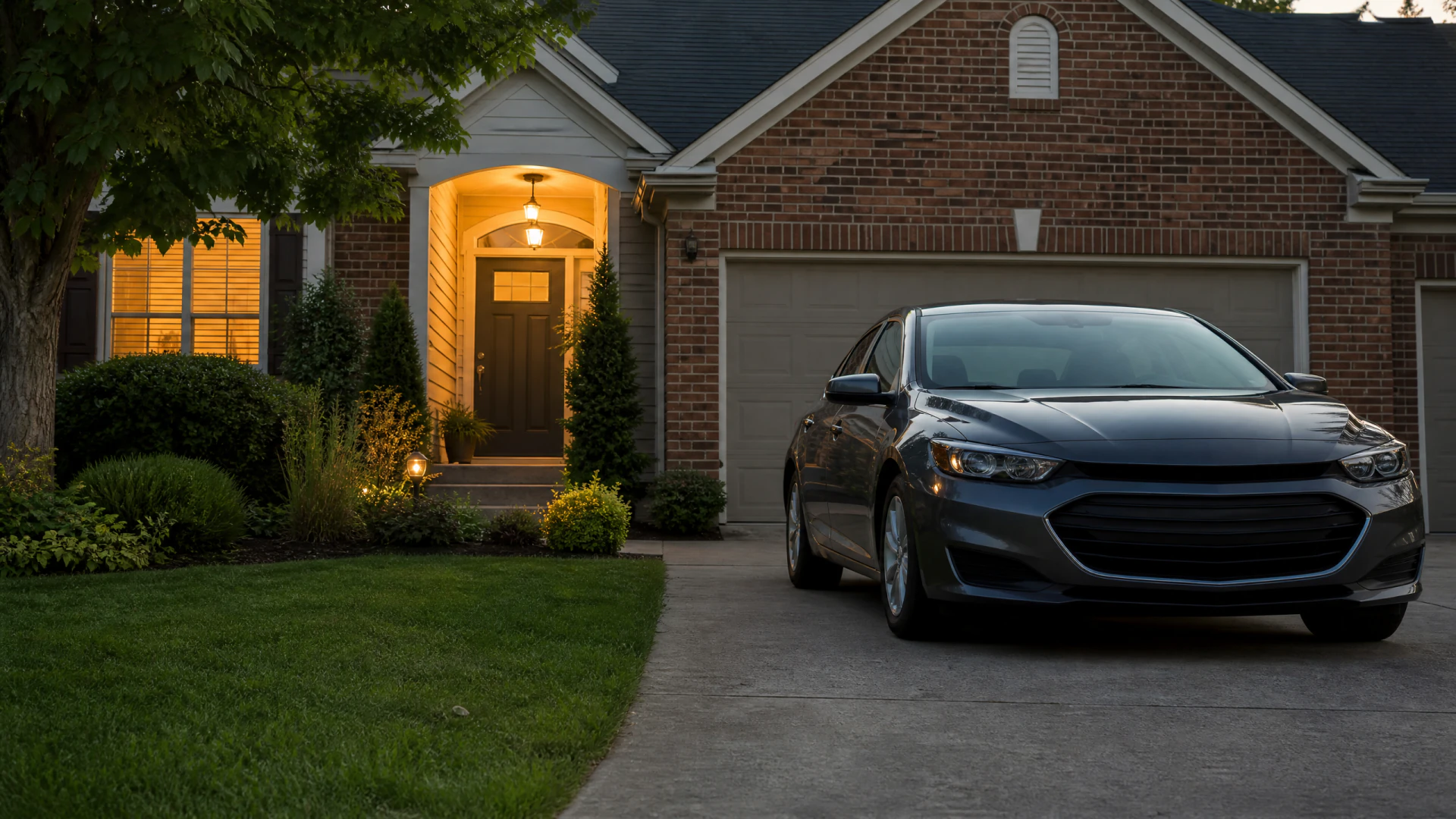
Say your spouse drove a sedan every day, and you have your own SUV that you drive. After they passed, the sedan sits in the garage, maybe driven once a month to keep the battery alive. You're the only driver now, but you've got two titled, registered cars and you don't know whether to keep paying full coverage on a car nobody really drives.
In a case like this, most people call their insurer, explain that there's now one driver for two vehicles, and ask how the sedan can be rated given how little it's driven. The insurer often reclassifies it as a secondary or occasional-use vehicle, which lowers the premium without dropping coverage entirely. If the title is still in the spouse's name, the insurer will usually explain what paperwork they need to keep it insured under you, and what the timeline looks like for that. The outcome is a policy that still covers both cars, but at a cost that reflects how one of them actually gets used.
The real question isn't whether both cars can be insured, it's how each should be rated for how it's used.
Compare quotes once you've decided how each car should be classified, so the numbers reflect your actual situation.

Keeping both cars insured versus letting one go
If you do
Both cars stay covered and titled, and you keep the option to drive either one or sell the unused car later with a clean record. You'll likely pay less for the car you don't drive, once it's properly classified, but you still carry some ongoing cost for a vehicle that isn't being used.
If you don't
Dropping coverage on the unused car stops that cost immediately, but many states still require registered vehicles to carry at least minimum coverage, so you may need to cancel the registration too. If you plan to sell or drive it later, you'll need to reinsure and possibly re-register it first.

What to sort out before you compare quotes
- Classify the unused car Ask your insurer how a rarely driven car can be rated. Many offer lower-cost options for cars that are stored or driven only occasionally.
- Check the titles If a car is titled in a spouse's name, find out what your insurer and state require to keep it insured under you going forward.
- Decide on coverage level A car that isn't driven may not need full coverage. Consider whether liability or comprehensive alone fits its actual risk.
- Confirm registration rules Some states require continuous insurance on any registered car. Check before you cancel coverage on the unused vehicle.
- Reassess if you'll sell it If you plan to sell the second car, ask whether short-term reduced coverage makes sense until the sale is final.
Do I need to put both cars in my name to insure them together?
Not always right away, but most insurers eventually want the titles to match the policyholder. Many allow a transition period after a spouse's death before requiring retitling. Check with your insurer directly, since this varies, and ask what documents they'll need, such as a death certificate, to keep both cars covered while you sort out the title.
Will my insurance cost less if one car is rarely driven?
Usually yes, if you tell your insurer how the car is actually used. Insurers often have a lower rating for vehicles driven occasionally or kept mostly parked, sometimes called limited-use or stored status. This isn't automatic, so you need to ask for it specifically. What changes the answer is whether the insurer verifies mileage or simply takes your estimate.
Can I remove my spouse from the policy without losing coverage on their car?
Yes, you can usually update the policy to list only you as the driver while keeping both cars insured. The insurer removes your spouse as a listed driver and may ask who will drive the second car going forward. If no one will, say so, since that often qualifies the car for lower-cost, limited-use coverage instead.