
Can I Get Rid of Car Insurance if I Put My Car in Storage
You usually can't fully cancel coverage, but you can switch to storage-only insurance and cut the cost way down.

What to check before you touch the policy
- Comprehensive-only coverage Most insurers let you drop liability and collision but keep comprehensive, which covers fire, theft and weather damage while the car sits unused. Ask your insurer if this option exists before canceling anything.
- State rules on lapses Some states fine or suspend registration if a titled car has no insurance at all, even if it never leaves the garage. Check your state's DMV rules before you cancel, not after.
- Plates and insurance linked In many states you can't cancel insurance without also surrendering the plates, or you'll trigger a lapse penalty. Ask whether you need to turn in plates first if you want to truly stop coverage.
- Lapse and future rates A gap in coverage can raise your rates later, even on a different car. Weigh that cost against what you'd save by canceling for a few months.
- Driving it occasionally If anyone might start the car, move it, or take it for a short drive, full cancellation leaves that moment completely uncovered. A reduced policy keeps you protected for those exceptions.

The short version
You usually can't cancel insurance completely and keep the car legally titled and registered. The better move is switching to comprehensive-only or storage coverage, which costs much less but still protects against fire, theft and damage. Call your insurer and ask specifically for that option before you cancel anything.
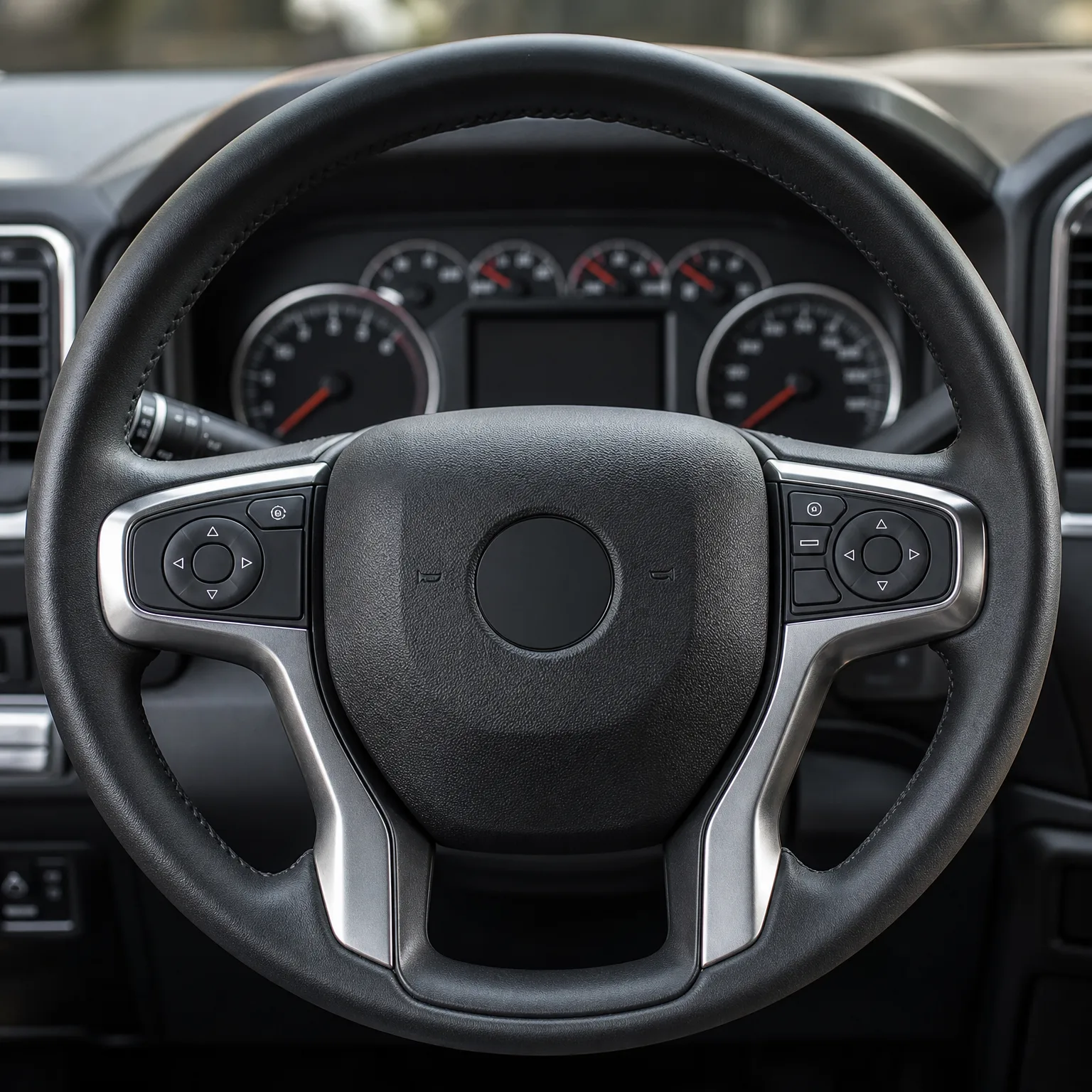
A second car sitting untouched since the funeral
One widow kept her husband's truck in the driveway for months after he passed. She wasn't driving it, didn't plan to sell it yet, and didn't want to keep paying full price for insurance on a vehicle nobody used. She called the insurer ready to cancel the policy outright.
The agent asked if she wanted to drop coverage entirely or just reduce it, and explained that full cancellation could mean a lapse that affects future rates, plus possible issues with the state's registration rules since the truck was still titled in her husband's name. She switched to comprehensive-only coverage instead, which protects against theft, fire and weather damage at a lower cost than full coverage. A few months later, once she'd decided to sell the truck to a family member, she had it re-insured briefly for the sale and transfer, then let the buyer take over coverage from there.
Once you know whether to cancel or reduce coverage, compare quotes for the option that fits your situation.

Canceling coverage versus switching to storage-only
If you do
If you cancel completely, you stop all payments right away. But the car has zero protection if it's stolen, damaged by weather, or hit while parked. Depending on your state, you may also need to surrender plates or risk registration penalties for the lapse.
If you don't
If you keep comprehensive-only coverage instead, you pay a smaller amount each month but stay protected against theft, fire and storm damage. Your registration stays valid, there's no lapse on your record, and you can drive it short distances if needed without starting a new policy.
How do I switch to storage-only insurance instead of canceling?
Call your insurer and ask to remove liability and collision while keeping comprehensive coverage. Tell them the car is parked and not being driven, since some insurers have a specific label for this status and may ask where the car is stored.
You'll likely need to confirm the car won't be driven regularly, and some insurers want it parked in a garage or secured area rather than on the street. If you plan to drive it again soon, ask how quickly you can restore full coverage, since many insurers can do it the same day. If your state ties registration to active insurance, ask whether comprehensive-only coverage satisfies that requirement or whether you need to handle registration separately.

The goal is to stop paying for coverage you don't need, not to stop paying for coverage that protects you.