Can I Get Sued if Someone Else Was Driving My Car
Yes, as the owner you can be named in a lawsuit even when you weren't behind the wheel.

What decides whether you're on the hook
- Your policy follows the car Most policies cover the vehicle first, not just the named driver. That means your insurance is usually the one paying out, which is also why you can still be sued.
- Who you let drive matters Lending your car to someone implies you gave permission, and that permission can tie you to the outcome. Keep track of who regularly drives your car and make sure you'd stand behind that choice.
- Your limits are now their limits If the driver causes serious damage, your policy's limits are what's available, not theirs. Check your liability limits and raise them if they feel thin for the cars and drivers in your house.
- Excluded drivers lose coverage If you specifically excluded someone from your policy and they drove anyway, coverage can be denied entirely. Review your policy for any excluded driver names you may have forgotten about.
- Owner liability varies by state Some states hold owners responsible for any permitted driver, others look harder at negligent entrustment. Ask your agent how your state treats owner liability so you know where you stand.
Lending the car to your adult son for a weekend
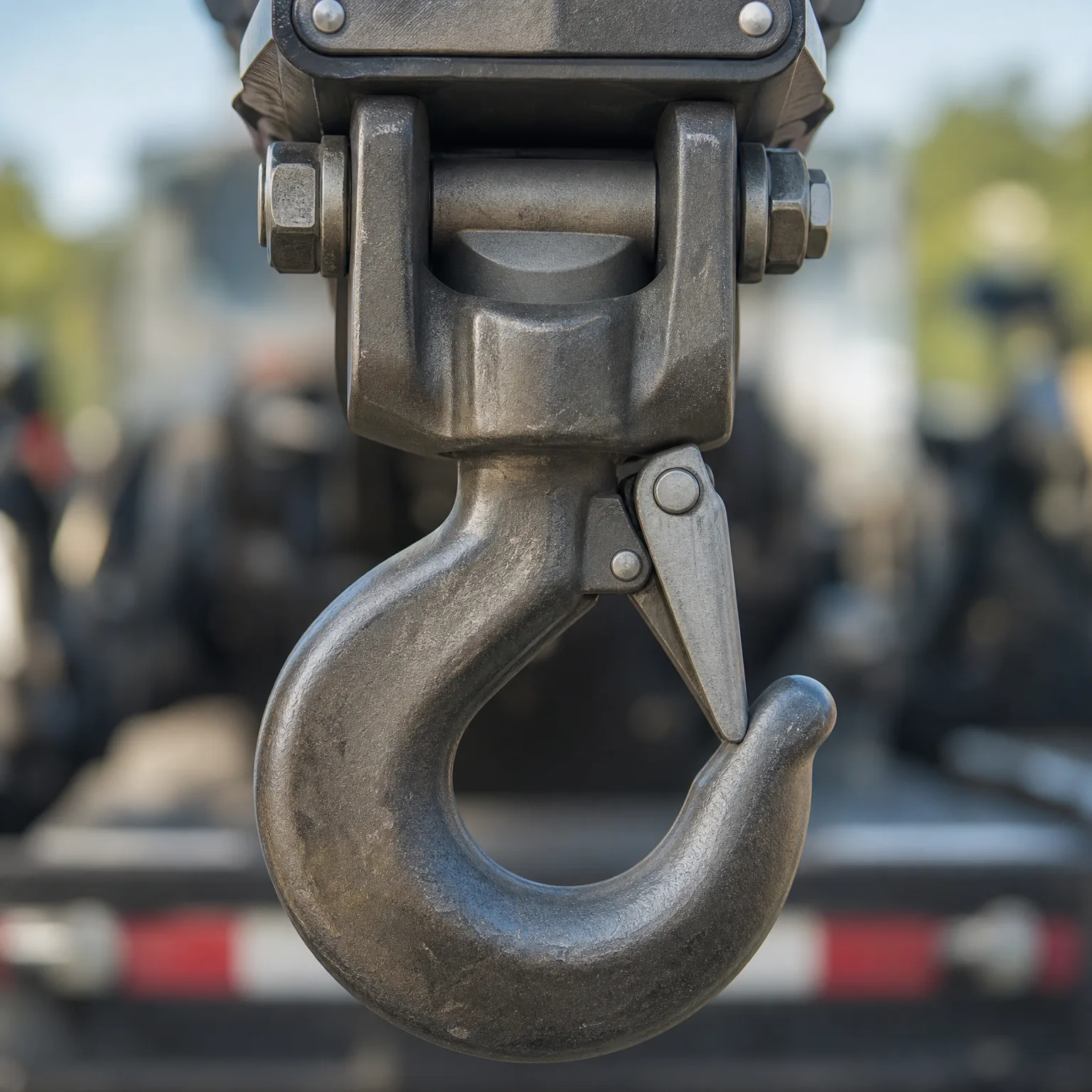
A woman let her adult son borrow her car while his was in the shop. He rear-ended someone at a light, and the other driver was hurt badly enough to need ongoing treatment. The medical bills came in higher than her liability limits covered, and the injured driver's lawyer named her directly in the claim, since she owned the car he was driving.
She hadn't excluded her son from her policy, so coverage applied, but her limits were older and lower than what the claim needed. Her insurer paid out to the limit, and she was personally exposed for the difference until it settled. Afterward she raised her liability limits and added an umbrella policy, and she started asking every family member who regularly borrowed the car whether they were listed correctly. The lawsuit didn't bankrupt her, but it was close enough that she changed how she thought about who drives her car.
Should I just stop letting anyone else drive my car?
Not necessarily, but you should treat it as a real decision instead of a casual favor. Most of the time lending your car to someone you trust, who's a listed or at least not-excluded driver, works out fine because your policy is built to cover permitted use.
The real question is whether your limits match the risk. A neighbor borrowing your car for an afternoon is different from a housemate driving it daily. If it's frequent, add them to the policy so there's no question about permission or rates. If it's rare, just make sure your liability limits are high enough that one bad afternoon doesn't become a long legal fight.
Once you know your limits and who's covered to drive, compare quotes to make sure your policy matches that reality.
Why the owner carries the risk, not just the driver
Insurance in most states is written around the car, not the person. The policy is a promise tied to that vehicle, so whoever is driving it with your permission is generally extended the same coverage you have. That's convenient when you lend your car out, but it also means the lawsuit that follows a bad crash lands on the same policy, and often on you as the named owner.
Courts also look at whether you had a reason to know the driver was a risk. If you handed your keys to someone with a suspended license or a history of accidents, that can turn into a claim of negligent entrustment against you personally, separate from whatever your insurance pays. This is less about the single afternoon and more about whether you made a reasonable choice in trusting that person with your car.
The cases where it plays out differently usually involve permission. If someone took your car without asking, you're generally not responsible the way you would be if you'd handed them the keys. Insurers and courts draw a real line between lending and theft, though proving which one happened can get complicated if the driver is a family member living in your home.
State law also shapes how far your exposure goes. Some states cap owner liability in certain situations, others make owners fully responsible for anyone they let drive. None of this changes the basic logic, that your car carries your insurance and your name, but it does change how much is actually at stake where you live.

Does my insurance rate go up if someone else crashes my car?
Usually yes, because the claim is filed against your policy regardless of who was driving. Insurers rate based on claims history tied to the vehicle and the policyholder, so a crash by a permitted driver typically affects your renewal the same way as if you'd been driving. Check with your insurer about how they handle claims from permitted drivers specifically, since some have exceptions for occasional use.
What happens if my teenager's friend crashes my car without my knowledge?
It depends on whether your teenager had the authority to lend out the car and whether the friend had real permission. If your teen is a listed driver and loaned the car on their own judgment, you're likely still covered, since permission can pass through someone you've already authorized. Check your policy's language on permissive use and ask your agent how it treats this kind of layered permission.
Should I remove my ex from my policy after a breakup?
Yes, and you should do it as soon as the relationship changes, since staying linked means their driving can still affect your coverage and exposure. Contact your insurer to formally remove them and consider excluding them by name if they might still access your car. Confirm the change in writing so there's no ambiguity if a claim comes up later.