Can I Stop Paying Insurance on a Car I Do Not Drive
You can stop paying full coverage on a car no one drives, but you shouldn't cancel the policy outright.
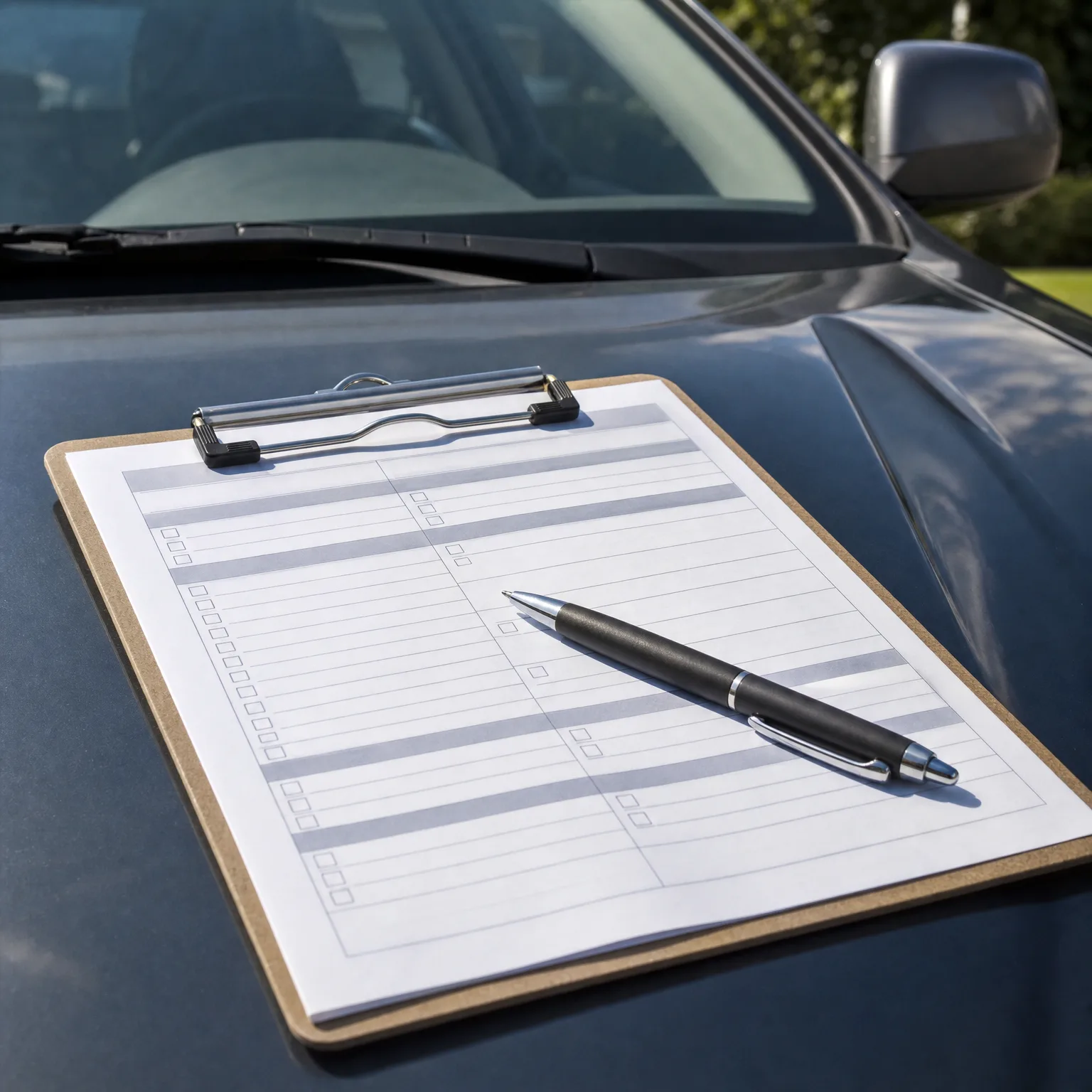
What to do with the unused car before you cancel anything
- Check who owns the title If the car is still titled in your spouse's name, that affects what you're allowed to do with the policy. Confirm the title before you call anyone about coverage.
- Switch to storage coverage Most insurers let you drop liability and keep comprehensive if the car sits unused. This protects against theft, fire or weather while cutting the cost of coverage you don't need.
- Don't let coverage lapse fully If you plan to drive the car again someday, a gap in coverage can raise your rates later. Ask your insurer what minimum coverage keeps that history intact.
- Decide if you're keeping the car If you know you'll sell it, ask your insurer about short-term options instead of restructuring the whole policy. If you're unsure, storage coverage buys you time to decide.
- Update the whole policy Removing a driver or a car changes the whole policy, not just one line item. Ask for a new written summary so you know exactly what's covered now.
Will canceling coverage on this car affect my own rates?
It can, but usually not the way people fear. If the unused car is removed from a policy that still covers your own car, your rate on your vehicle typically doesn't rise just because another car left the policy.
What can affect your rate is a lapse in continuous coverage history, or losing a multi-car discount you'd been getting for insuring both vehicles together. Ask your insurer directly whether a multi-car discount applies to your policy, since losing it could offset some of what you save by dropping coverage on the unused car.
If you plan to sell the car soon, ask whether it's cheaper to keep minimal coverage until the sale or cancel now and handle the gap separately. The right answer depends on your insurer's specific rules, so get this in writing rather than assuming.
The car doesn't need full coverage just because the policy still exists.
Once you know whether to store, insure, or cancel coverage on this car, compare quotes to see what fits now.

Switching to storage coverage instead of canceling outright
If you do
You keep protection against theft, fire, falling branches or flood while the car sits unused. If you decide to drive it again, or sell it, you won't face a lapse in insurance history. The cost drops because you're not paying for liability you don't need right now.
If you don't
You save a bit more each month, but the car has zero protection if something happens to it while parked. If you ever want to drive it again, you may face a coverage gap that raises your rate. You'll also need to re-insure it from scratch before driving.
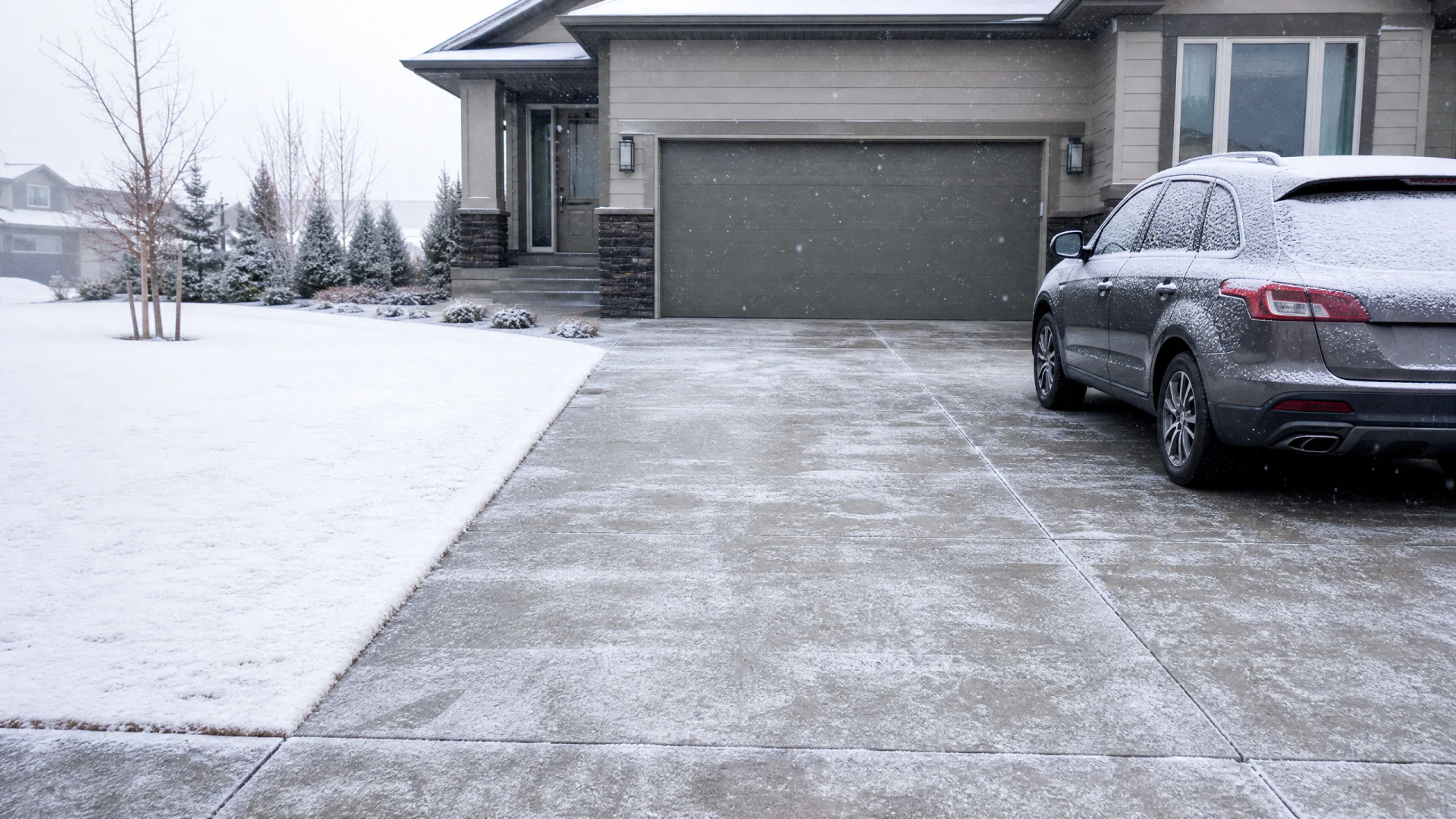
A second car that sat in the driveway after a loss
One reader's spouse had handled their two-car policy for years, and after he passed, she realized his car hadn't moved in two months. She didn't want to sell it yet, she wasn't ready to make that decision, but she also didn't want to keep paying full coverage on a car no one was driving. She called the insurer, confirmed the title was still in his name, and asked what her options were before changing anything.
The insurer walked her through switching that car to storage coverage, which kept it protected from fire and theft but dropped the liability portion since it wasn't being driven. This cut her payment on that car significantly while she figured out the title transfer with a lawyer. Six months later, once the title was settled and she'd decided to sell, she canceled that portion of the policy entirely with no lapse in her own coverage history on the car she still drove daily.