Can I Switch Insurance Companies in the Middle of a Policy
Yes, you can switch car insurance companies at any point in your policy, even if it's still in your spouse's name.

What to check before you switch
- Whose name is on the policy If the policy is only in your late spouse's name, call the insurer first to update it. Most insurers can add you as the policyholder once you explain the situation, and you'll need this done before or during the switch.
- Cancellation terms Ask whether canceling mid-term brings any kind of penalty or fee. Most insurers prorate your refund, but it's worth confirming so nothing surprises you.
- Timing the overlap Don't cancel the old policy until the new one is active. Even a short gap in coverage can make future insurance cost more or raise questions later, so line up the start and end dates carefully.
- The car nobody drives Decide whether that second car gets its own coverage, gets stored under a lower-cost option, or gets sold before you switch. This affects what the new policy should include.
- Documents you'll need Have the old policy, the vehicle titles and your driver's license ready. If a title is still in your spouse's name, ask the new insurer what they'll accept while that gets sorted out.

The short version
Yes, you can switch insurers anytime, mid-policy included. The key reason to do it carefully is avoiding a coverage gap, especially while a policy or title may still be in your spouse's name. Start by calling your current insurer to update the policyholder name, then get new quotes once that's settled.

A widow sorting out two cars and one policy
Carol's husband had handled their insurance for over twenty years, and after he passed she found one policy covering both of their cars, still listed under his name. She didn't drive his car anymore and wasn't sure if she needed to keep insuring it. She called the insurer, explained the situation and asked them to update the policy to her name alone. They asked for a copy of the death certificate and the title, which took about a week to sort out.
Once the policy was in her name, she requested quotes from a few other companies for just her own car, and set her husband's car aside to decide later whether to sell it or keep it stored under a minimal coverage option. She picked a new insurer with a better rate for a single car, timed the start date to match the day her old policy would end, and canceled the old one the same day the new one began. There was no gap in coverage, and she got a prorated refund for the unused weeks on the old policy. The car she didn't drive stayed parked under a separate, cheaper policy until she decided what to do with it.
Now that you know how to switch without a gap, compare quotes for just the coverage you actually need.

What happens to the car no one drives anymore?
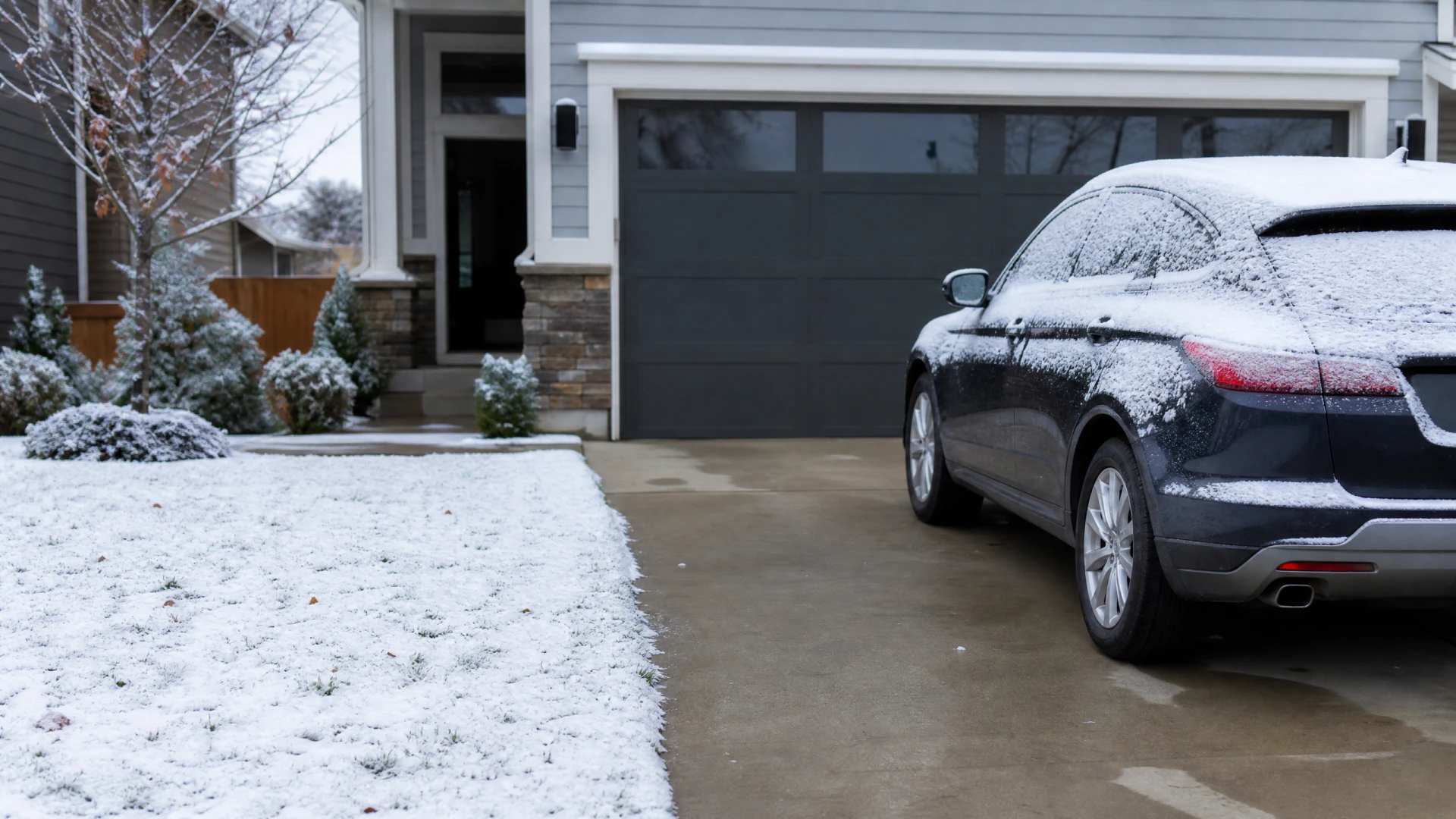
You have three real options: keep it insured normally, switch it to a lower-cost coverage meant for stored or rarely driven cars, or sell it. Which one makes sense depends on whether you plan to drive it again, whether someone else in the family might use it, and how long you're willing to keep paying for something sitting idle.
Most insurers offer a reduced coverage option for vehicles that aren't being driven, which usually still protects against theft or damage while parked but costs less than full coverage. Ask your insurer directly what this option is called and what it requires, since the rules on how long a car can sit unused before this applies can vary by state and by insurer. If you're not sure yet what you want to do, this option buys you time without paying for coverage you don't need.
The policy doesn't have to stay as your spouse set it up. You can rebuild it around what you need now.