
Can My Son Drive My Car if He Does Not Live with Me
Yes, your son can drive your car occasionally even if he lives elsewhere, as long as you give him permission.

When a grown son borrows the car on visits home
A woman's adult son lived across the state but came home every few months and sometimes borrowed her car to run errands or visit friends. She wasn't sure if she needed to add him to her policy since he didn't live in her house. She called her insurer and explained how often he actually drove the car, which was a handful of days a year.
The insurer told her that occasional use with her permission was already covered under her policy, since she owned the car and he wasn't a regular driver of it. They did note that if he ever moved back in, or started borrowing the car more regularly, she would need to tell them so they could reassess. She kept things as they were, made a mental note to call again if his visits became more frequent, and felt settled knowing one phone call had answered the question for good.
Does my son need his own car insurance if he drives my car sometimes?
Not for occasional use of your car. If he has his own car, that car needs its own policy regardless of how often he drives yours. If he doesn't own a car and only drives yours once in a while, your policy's permission based coverage typically handles it, since insurance generally follows the car rather than the driver.
Where it gets more complicated is if he drives your car often enough that an insurer would consider him a regular driver, even without living with you. That's a judgment call insurers make differently, so if his visits are frequent or long, it's worth asking your insurer directly rather than assuming. The honest answer protects you if something happens while he's driving.

Once you know how your son's driving fits your policy, compare quotes to confirm you have the right coverage.

Telling your insurer he drives the car sometimes
If you do
You give your insurer the full picture, including how often he drives and where he lives. They confirm you're covered or note him as an occasional driver. If anything happens while he's behind the wheel, there's no question about whether coverage applies.
If you don't
You assume occasional use is fine and never mention it. Most of the time nothing goes wrong, but if he's driving more than you realized and a claim happens, the insurer may investigate and question why he wasn't disclosed, which can slow down or complicate a claim.
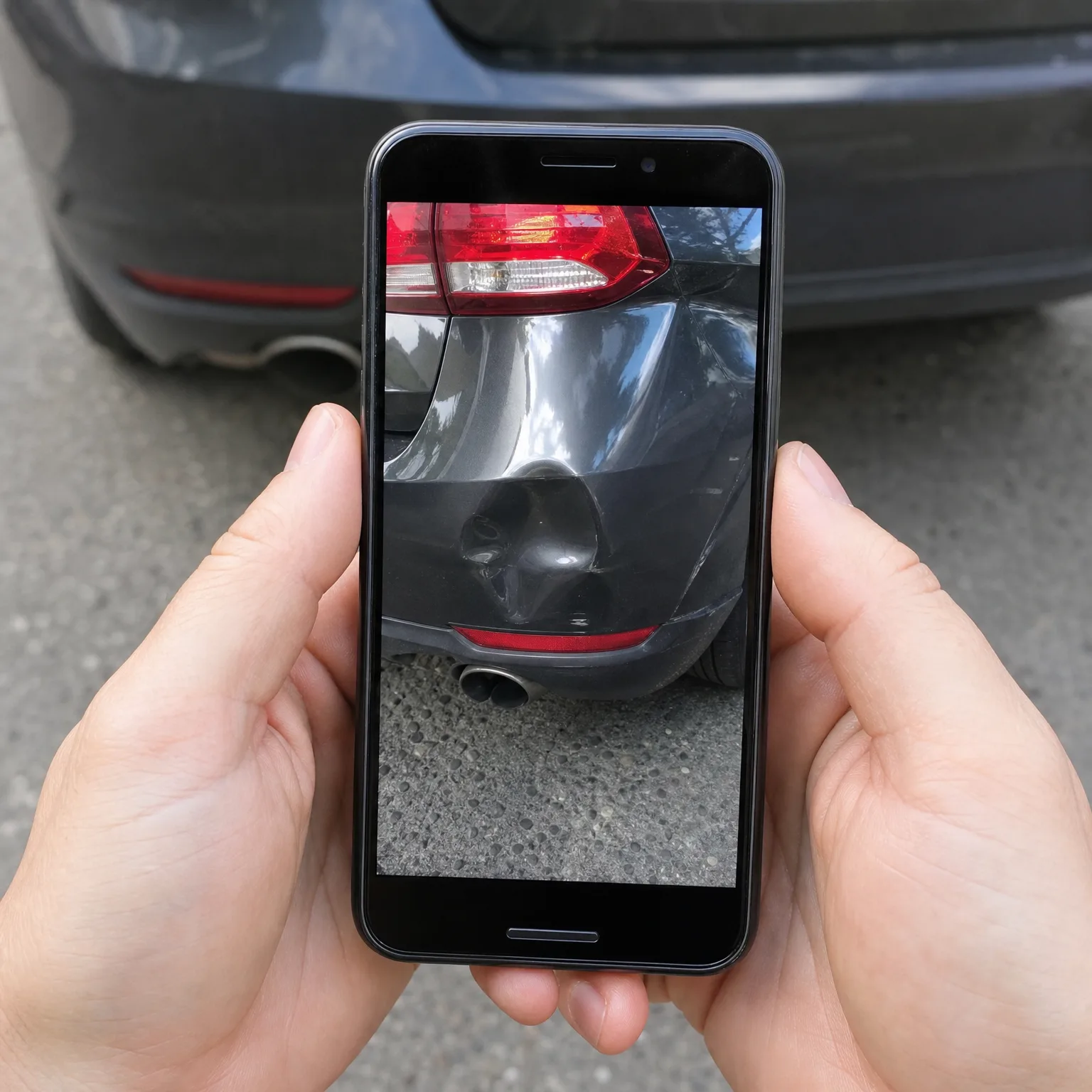
What actually determines whether he's covered
- How often he drives it A few times a year is different from every weekend. The more regularly he drives, the more likely your insurer wants him listed, even from a distance.
- Whether he owns his own car If he has his own insured car, that policy covers him when driving it. Your car is covered separately, under your policy, when he borrows it.
- Your permission matters Coverage for occasional drivers generally assumes you said yes. Make sure that's something you'd confirm if your insurer ever asked.
- Where he's licensed If he's licensed in another state, mention this when you call. It usually doesn't change coverage, but it's worth confirming since rules vary.
- Any change in pattern If visits turn into weeks at a time or his own car breaks down long term, call your insurer again. Circumstances change faster than people update policies.
Why distance from you doesn't decide this, usage does
Car insurance follows the vehicle far more than it follows the household. When you let someone drive your car with your permission, your policy is generally the one that responds if something happens, regardless of whether that person shares your address. This is standard across insurers, though the exact wording and limits on occasional drivers can vary, so it's worth checking your specific policy.
The real question insurers care about is how predictable the risk is. An occasional driver is an exception your policy already expects and prices for. A frequent driver is a pattern, and patterns are what insurers want listed by name, because it changes how likely a claim is and who's actually behind the wheel most of the time. Your son living elsewhere doesn't erase that pattern if he's over at your house every week borrowing the car.
This is also why insurers ask about household members separately from who's permitted to drive. Household members are often assumed to have regular access even if nobody said so directly. Someone living elsewhere has to actually be driving often for similar questions to come up, which is why distance matters less than it seems like it should.
Where this plays out differently is mostly about degree. A visit twice a year reads nothing like a drive he takes every other weekend, and insurers don't apply one hard rule to both. When you're unsure which side of that line you're on, describing the actual pattern to your insurer gets you a real answer instead of a guess.