Can Someone Else Be the Main Driver on My Car
Yes, but the policy has to name whoever actually drives the car most, and that person's history sets the price.
Insurance follows the actual driver, not just the owner
Car insurance is built around risk, and the biggest piece of that risk is who is behind the wheel most often. Insurers call this the primary or main driver, and it is meant to be whoever puts the most miles on that specific car, regardless of whose name is on the title. If your spouse's old car is now mainly driven by your adult child, a friend, or anyone else in the household, the insurer wants that reflected honestly.
This matters because the policy is priced on that person's driving record, age, and history. If the actual driver is someone other than who's listed, and that person has a claim or accident, the insurer can investigate who was really driving the car day to day. If it turns out someone else was the regular driver all along, they may reduce the payout or question the policy entirely.
What counts as the main driver can vary by insurer. Some look strictly at mileage and routine, others weigh in whose address the car is garaged at, or who was added to the policy first. If you're unsure how your insurer defines it, that's worth a direct call, because the answer shapes who needs to be listed and how.
There are cases where this works out simply. If you're the only one driving the car occasionally and someone else drives it regularly, naming them as the main driver often lowers the overall cost, since insurers price based on real usage. But if everyone in the house drives it about equally, most insurers let you list multiple drivers without singling one out as primary.
When a grown child starts driving the second car
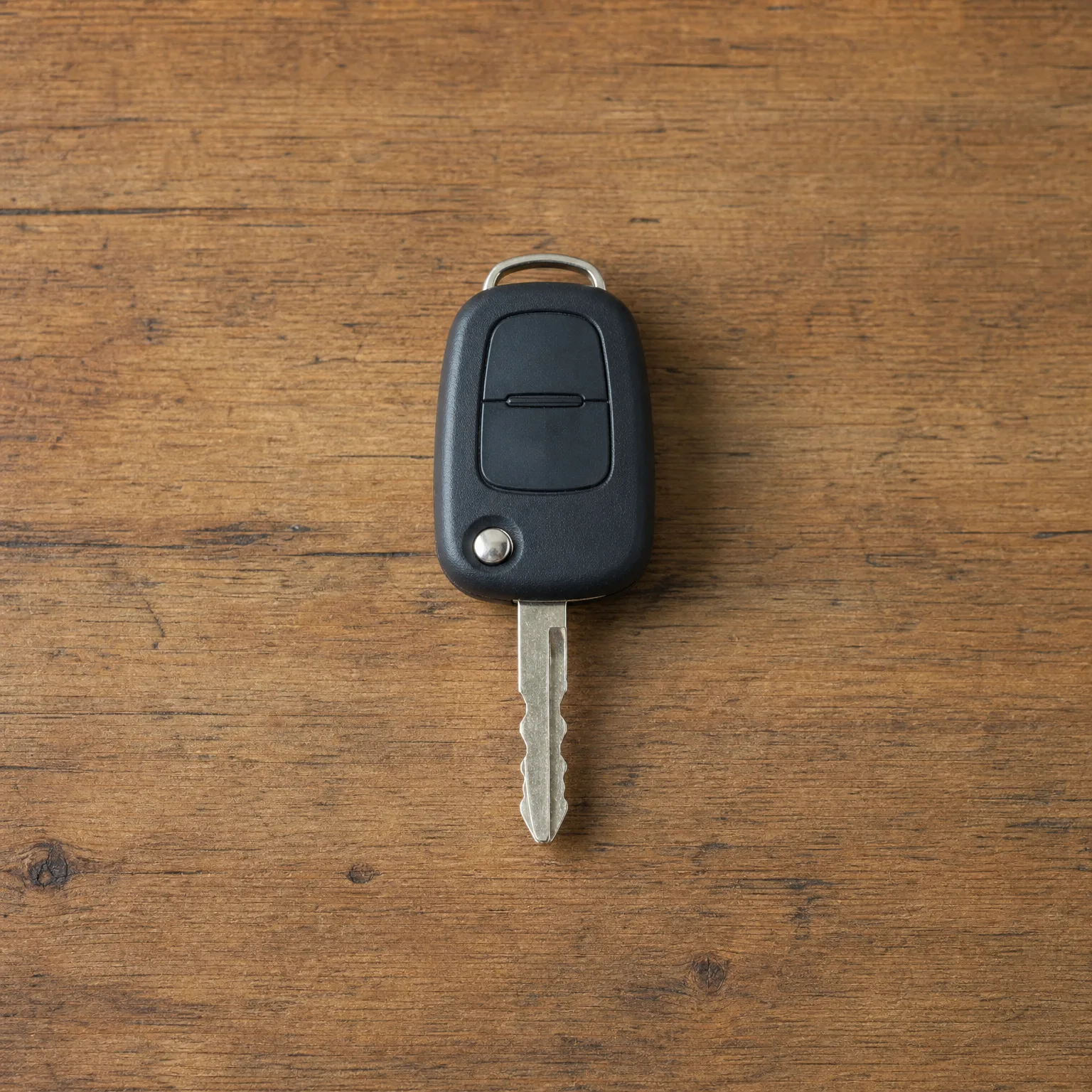
A woman whose husband passed away kept his sedan parked in the driveway for months, unsure what to do with it. Her adult son, who lived nearby, started borrowing it several times a week to get to work after his own car broke down. She kept the policy as it was, with herself listed as the only driver, assuming that was simpler.
When she called to ask about removing a now-unnecessary second driver line from the policy, the agent asked who actually drove the sedan most. Once she explained the arrangement, the agent recommended listing her son as the main driver on that car, since he was the one driving it almost daily. It turned out to lower the premium on that car, because his commute and routine use fit a different risk profile than her occasional errands. She kept her own car under her name as main driver, and the two vehicles were separated cleanly on the same policy.
Now that you know who should be listed as the main driver, compare quotes to see what that decision costs on each car.

Naming the real driver as primary on that car
If you do
You tell the insurer who actually drives the car most, and the price reflects that person's record. If something happens, the claim holds up because the policy already matches reality. It also often costs less if that driver has a clean history.
If you don't
You keep the policy as is, even though someone else is driving the car regularly. If a claim happens, the insurer may investigate who was really driving it, and could reduce or deny the payout. You also risk paying a rate that doesn't match who's actually on the road.
What decides who should be listed as main driver
- Who drives it most The main driver is whoever uses that specific car most often, not whoever owns it. Track actual use for a few weeks if you're unsure.
- Call and ask directly Definitions of main driver vary by insurer. Ask how they define it before you list anyone, so the policy matches their rules.
- Separate cars, separate drivers If you have two cars and two regular drivers, each car can have its own main driver on the same policy. Don't force one person onto both.
- Driving record sets the price The named main driver's history shapes the premium for that car. A clean record can lower cost, a spotty one can raise it.
- Update it when use changes If who drives the car changes later, update the policy again. An outdated main driver can cause problems if a claim comes up.
The policy has to match who's actually driving, not who used to or who owns the title.