Can You Buy Comprehensive Without Collision
Yes, you can buy comprehensive without collision on almost any policy, and for one car in your situation it often makes sense.
Insurers split them because they cover different risks
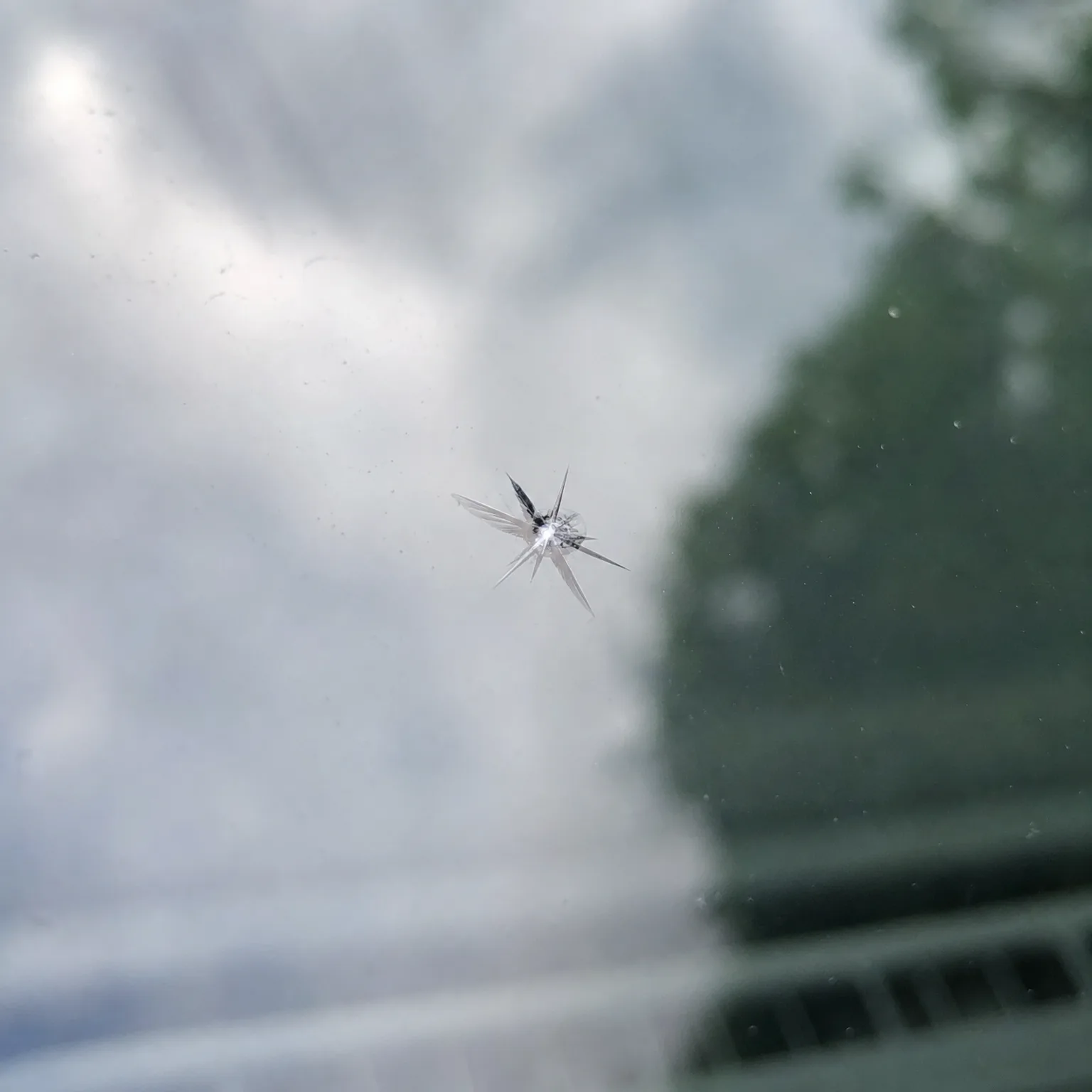
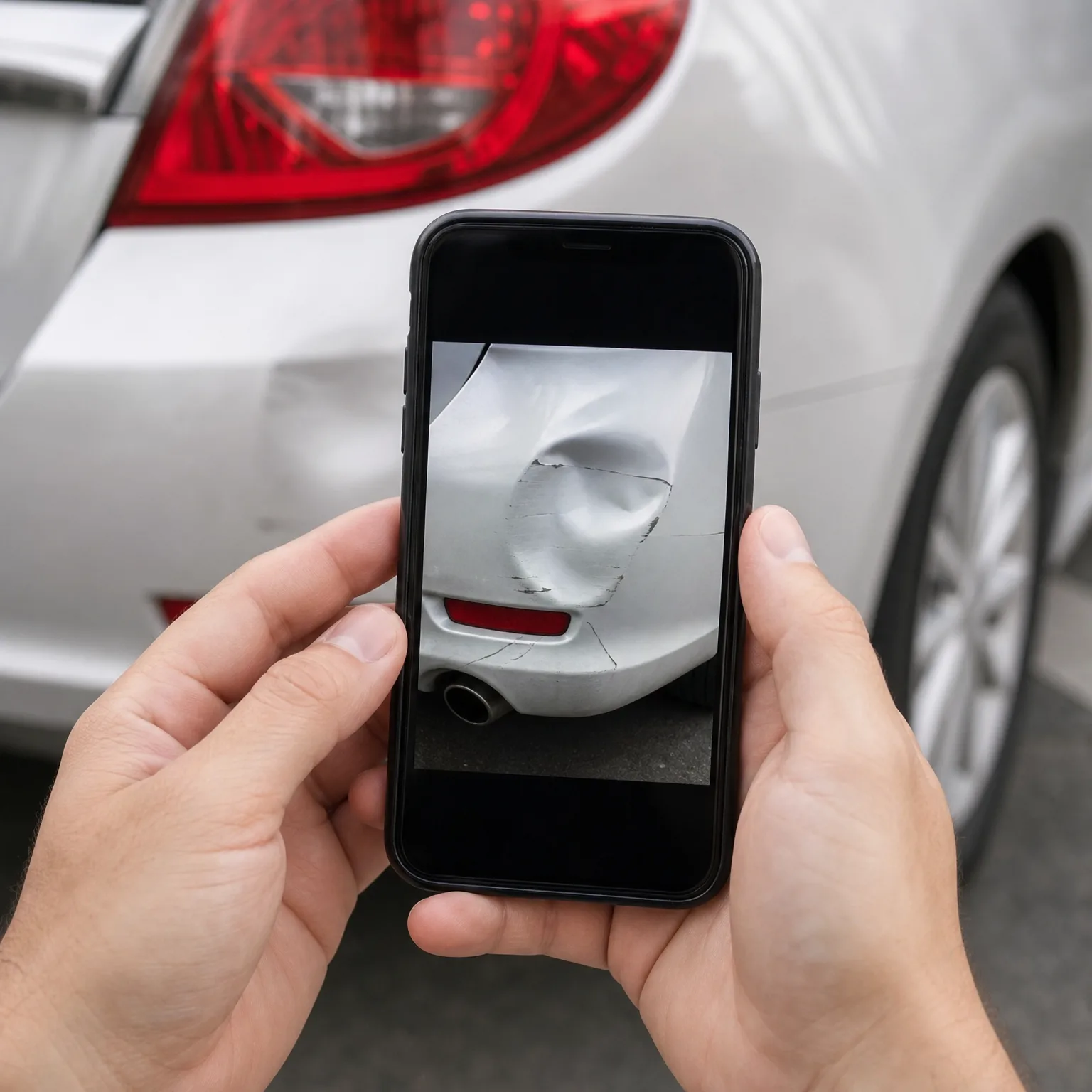
Comprehensive and collision are priced and sold as separate coverages because they protect against different things. Comprehensive pays for damage that happens to the car when you're not driving it, like theft, fire, falling branches, or an animal strike. Collision pays when the car hits something or something hits it while it's being driven. Because the risks are different, insurers let you buy one without the other.
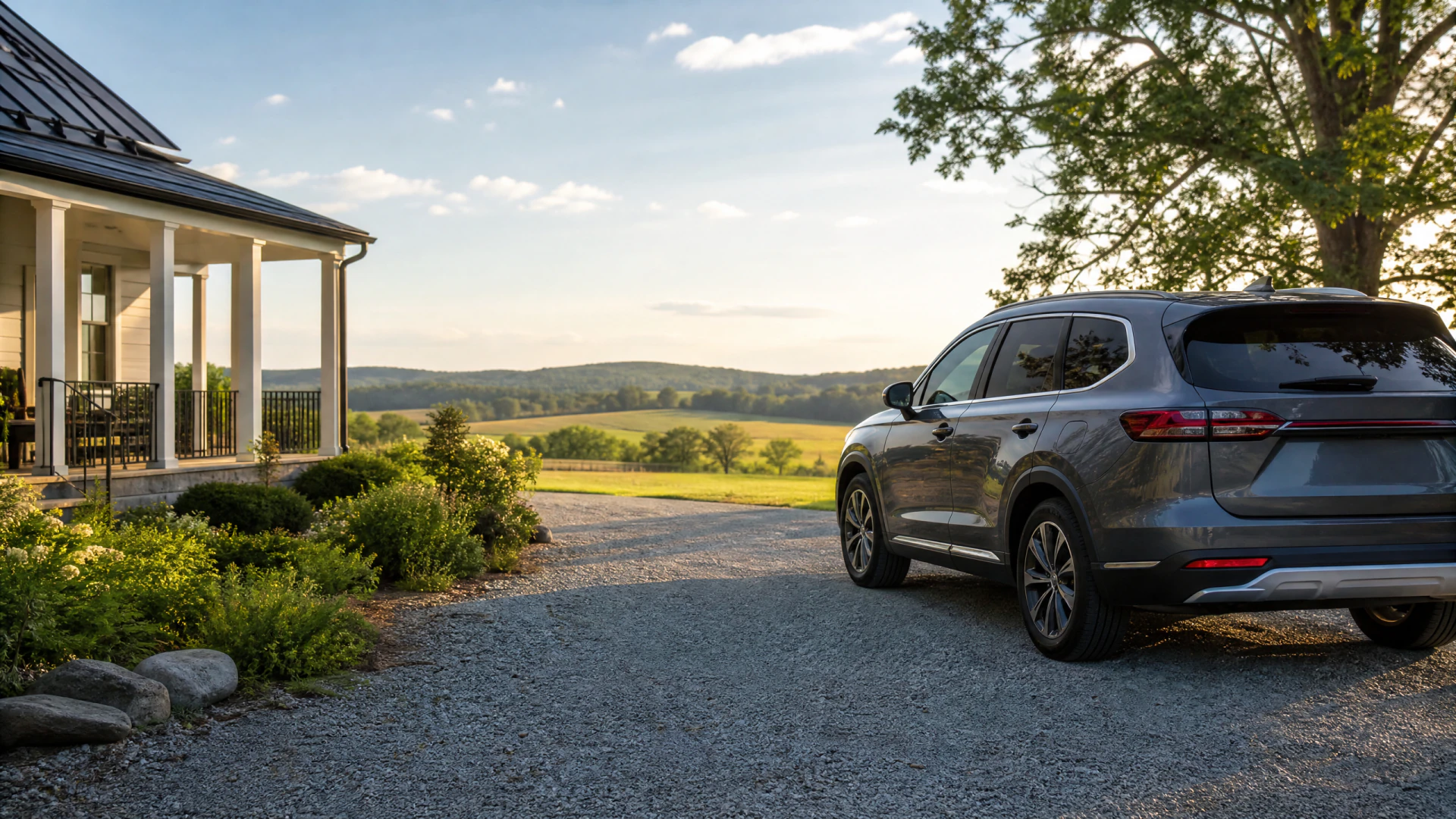
This matters most for a car that sits parked more than it's driven. If nobody is behind the wheel, the risk of a collision drops close to nothing, but the car can still be stolen, vandalized, or damaged by weather sitting in a driveway. Dropping collision while keeping comprehensive matches the coverage to the actual risk the car faces.
The one thing that can override your choice is a loan or lease. If the car is financed, the lender usually requires both comprehensive and collision until the loan is paid off, and you won't be able to drop one without violating the loan agreement. If the car is paid off and titled free and clear, the choice is entirely yours.
State rules don't usually affect whether you can split the two, but they can affect how the policy is worded or bundled by default. Check with the insurer directly on the car in question, since some will quote the split instantly while others need a quick call to set it up correctly.
What to check before you drop collision
- Confirm the title is clear If there's still a loan or lease on the car, the lender likely requires collision coverage. Check the title or loan payoff statement before making any change.
- Know what comprehensive covers It handles theft, weather, fire, and animal strikes, not crashes. Make sure that matches what you're actually worried about for this car.
- Price the car's value first If the car is worth very little, even comprehensive alone may cost more than it would pay out. Ask the insurer for the car's current value estimate.
- Ask how it gets billed Some insurers keep the policy under one name even after a split, which can delay changes later. Ask directly how the new policy will be listed.
- Recheck if use changes If anyone starts driving the car regularly, collision coverage should go back on. Set a reminder to revisit this if the car's use changes.

A second car that mostly sits in the garage now
After her husband passed, Carol kept both cars for a few months without changing anything. One was hers, driven daily. The other had been his, a sedan that now sat in the garage except for occasional trips to the store. She didn't want to sell it yet, but paying full coverage on a car that barely moved felt wasteful, and she wasn't sure what she was allowed to change without losing something she needed.
She called the insurer, confirmed the sedan's title was in her name and fully paid off, and asked about dropping collision while keeping comprehensive. The agent explained that comprehensive would still protect the car from theft or storm damage sitting in the garage, while collision, which only applies when driving, wasn't doing much for a car that rarely left the driveway. She made the change on that one car only, kept full coverage on the car she drove daily, and the premium on the sedan dropped enough that keeping it no longer felt like a waste. She decided she'd revisit the choice if she ever started driving it regularly again.
Now that you know you can split the coverage, compare quotes for each car based on how it's actually used.

Does it still make sense to keep the car at all?
That depends on what the car is worth to you beyond money. If it still runs well and someone in the family might drive it, or if you're not ready to make that decision while grieving, keeping it insured lightly is a reasonable way to buy time.
If it's been sitting for months with no plan to use it, the ongoing cost, even reduced, may not be worth it compared to selling or transferring the title. There's no rush to decide either way. Dropping collision while you think it over keeps the car protected without paying for coverage it doesn't need right now.
Match the coverage to how the car is used now, not how it was set up when someone else managed it.