Can You Explain Car Insurance in a Simple Way
Car insurance pays for damage and injuries from accidents, split into coverage for other people and coverage for you and your car.
Five parts make up almost every policy
- Liability This pays for the other person's car and injuries if you cause an accident. It's required almost everywhere, so check what your current policy carries before changing anything.
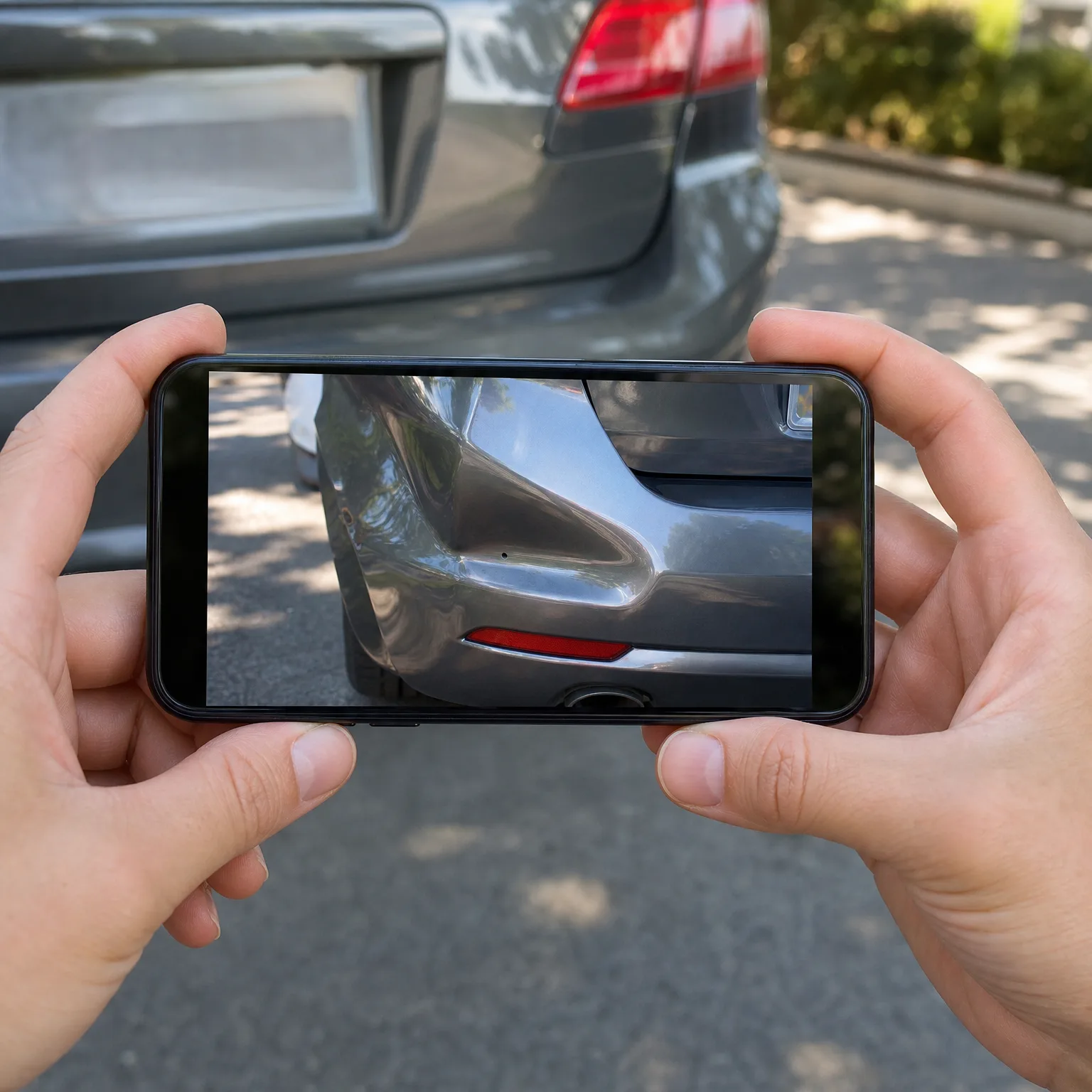
- Collision This pays to fix or replace your own car after a crash, no matter who caused it. For an older car worth little, this may cost more than it's worth keeping.
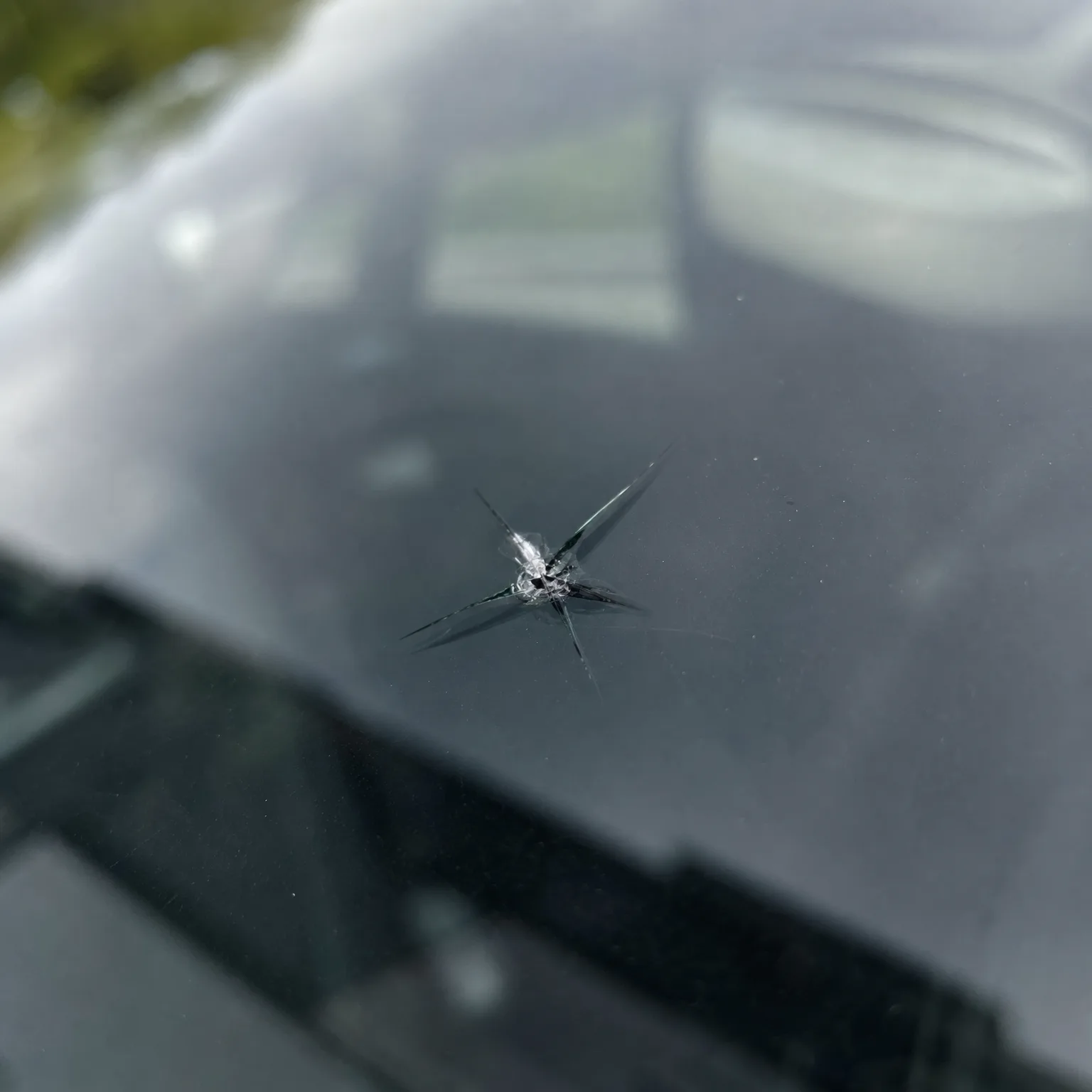
- Comprehensive This covers theft, weather, animals and anything that isn't a crash with another car. It's usually inexpensive and worth keeping even on an older car.
- Uninsured motorist This protects you if the other driver has no insurance or not enough. Check whether your state requires it, because rules vary widely.
- Deductible This is the amount you pay before coverage kicks in on a claim. A higher deductible lowers your monthly cost but means more out of pocket if something happens.
A policy with two cars and one driver left
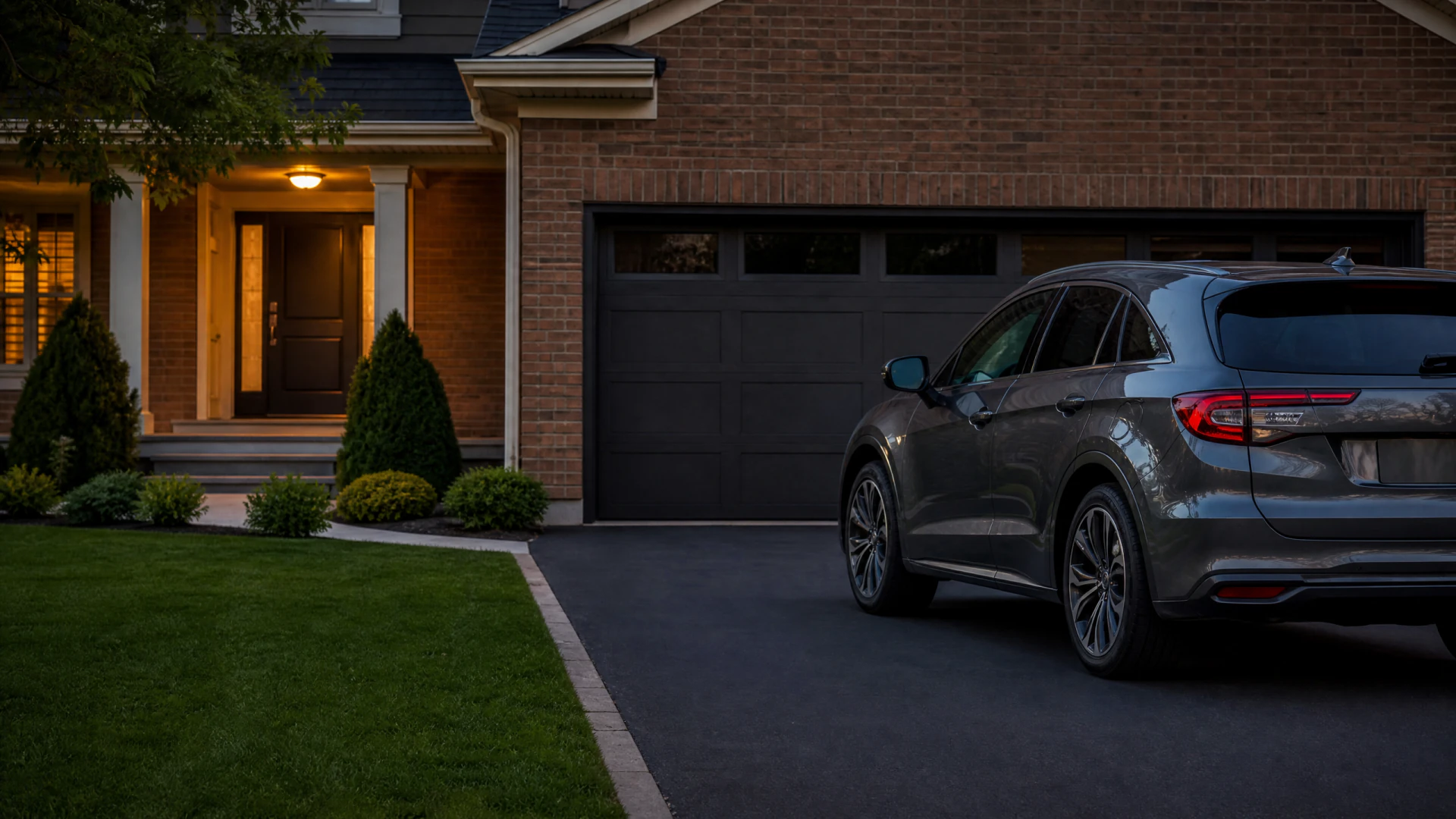
A woman in her late sixties had a policy with two cars on it, her car and her husband's car, which hadn't been driven in months. She didn't know which coverages applied to which vehicle, only that the bill came every month and she paid it without looking closely. She called to ask what each line meant before deciding anything.
She learned that both cars still carried full coverage, including collision, even though one sat in the garage. She decided to keep liability and comprehensive on the unused car so it stayed protected from theft or storm damage, but dropped collision on it since it wasn't being driven and wasn't worth repairing after an accident. On her own car she kept everything as it was. The change lowered her bill without leaving either car exposed to a real risk, and she understood for the first time what she was actually paying for.

Now that you know what each part of the policy does, compare quotes to see what the same coverage costs elsewhere.

Learning what your policy covers before you change it
If you do
You'll know exactly what you're paying for and can decide with confidence what to keep, drop or adjust. You can spot coverage that no longer makes sense, like full coverage on a car nobody drives, without guessing or worrying you've missed something important.
If you don't
You'll keep paying for whatever was set up before, which may be more than you need or less than you think. Any claim you file later could surprise you, and you won't know if you're overpaying until something forces you to look.
Why insurance is built this way
Insurance exists to cover the cost of things going wrong that you can't easily pay for yourself. That's why it's split into pieces. Liability covers harm to other people, because that cost could be large and open ended. Coverage on your own car is separate because that cost is capped at what the car is worth, so you get to decide how much of that risk to carry yourself.
The reason your premium is made of several line items instead of one number is so you can adjust each piece independently. A car that's paid off and old doesn't need the same protection as a new one, and a car that sits unused doesn't need the same protection as one driven daily. The system assumes you'll tailor it, not that one setup fits every car or every stage of life.
Where this gets complicated is when a policy was set up years ago and never revisited. Coverage that made sense when both cars were driven regularly may not make sense now. Insurers don't automatically adjust this for you, because they don't know your situation changed unless you tell them.
State rules change some of this. What's required, what's optional, and how claims against an uninsured driver work all depend on where you live. The logic of the coverage stays the same everywhere, but the minimums and the defaults don't, so it's worth checking your state's specific requirements before you drop anything that sounds optional.
Do I need full coverage on a car I'm not driving anymore?
Probably not the collision portion, but likely yes on comprehensive. Collision only pays out if the car is in an accident, which won't happen if it's parked. Comprehensive still protects against theft, fire or weather damage sitting in a driveway or garage, and it's usually cheap enough to keep. Check the car's value first, since if it's worth very little, even comprehensive may not be worth the cost. What changes the answer is whether the car will be sold, stored long term, or driven occasionally by someone else.
What happens to a policy still in my spouse's name?
It needs to be updated with the insurer, because a policy generally has to match the person responsible for the car. Call the insurer directly rather than guessing, since they can walk you through what paperwork they need, which is often simpler than people expect. This won't cancel your coverage while it's being sorted out. What changes the process is whether you were already listed as a driver on the policy or not at all.
Should I combine both cars onto one policy or keep them separate?
Combining them onto one policy is usually cheaper and simpler to manage. Most insurers price multiple cars on one policy lower than two separate policies, and it means one bill and one renewal date instead of two. Check with your insurer to confirm this applies to your situation, since rare exceptions exist. What would change the answer is if the two cars need very different coverage, like one being driven daily and one sitting unused.