Can You File a Car Insurance Claim 3 Months Later
Yes, you can usually still file, but waiting three months means the insurer will look harder at why you waited and what proof you have.
Why a late claim still works, most of the time
Insurance policies require you to report a loss promptly, but almost none of them set an exact number of days. That word, promptly, gives you room. Insurers expect people to have real life get in the way, especially right after a spouse or partner has died and the paperwork around the house has piled up. What they're watching for isn't the delay itself. It's whether the delay makes the claim harder to verify.
Underneath this is a simple trade. The insurer still owes you a fair look at a valid claim, but the longer you wait, the more the burden shifts to you to show what happened and when. Fresh damage is easy to document. Damage from three months ago needs a clearer story, maybe a police report, dated photos, a repair estimate, or witnesses who remember the day it happened.
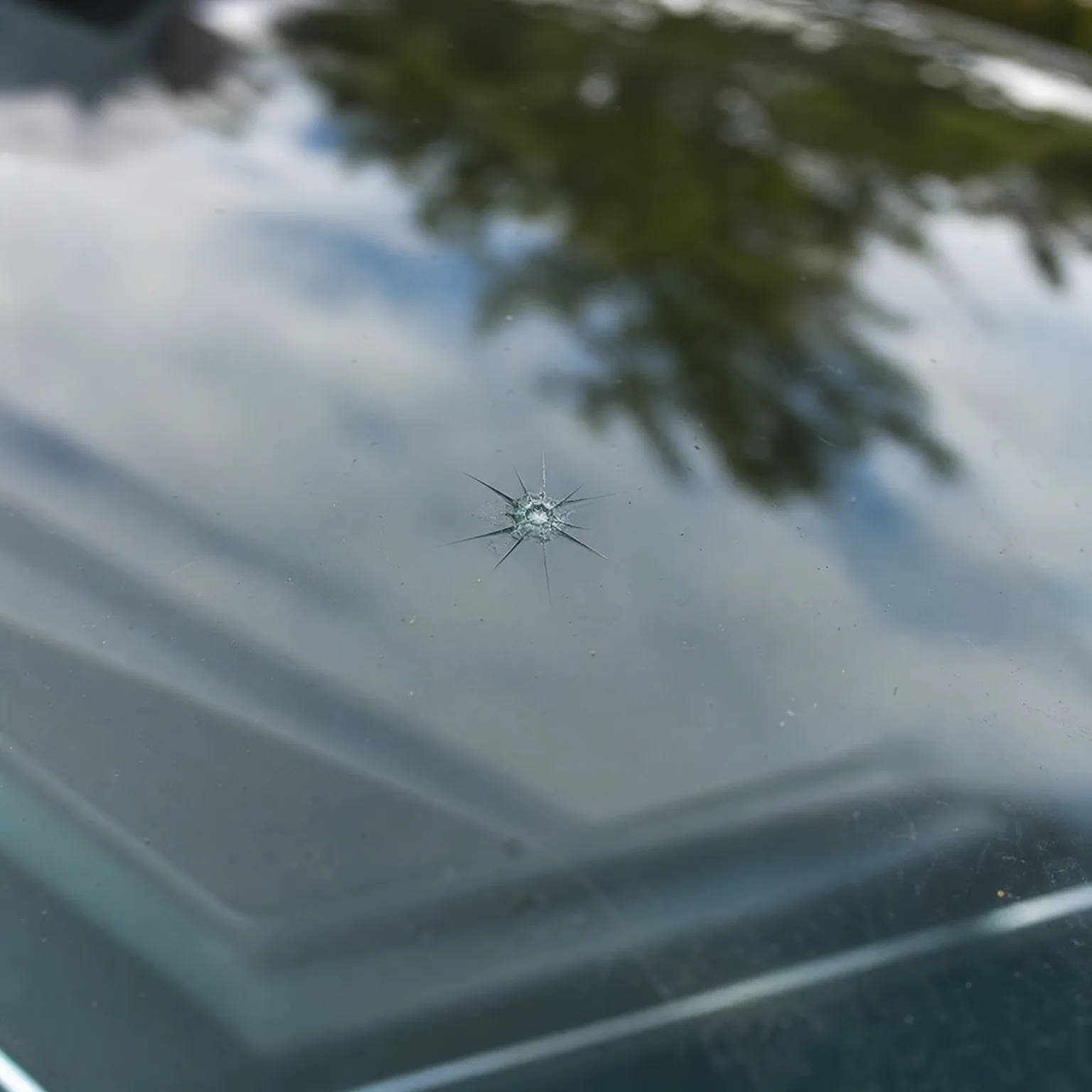
This plays out differently depending on what kind of claim it is. A single-car accident or a cracked windshield is usually simple to explain late, since there's no other driver disputing the timeline. A claim involving another vehicle or another driver gets harder the longer you wait, because the other side's memory and insurance cooperation fade fast. If the car sat unused after your spouse passed, that itself is a reasonable explanation insurers hear often.
State rules and your specific policy both matter here. Some states set outer limits for certain claim types, and some insurers write stricter reporting language into the policy itself. Before you assume anything, check your policy's claims section and ask your insurer directly what their outer limit is, since this is not something to guess at.

The short version
You can likely still file a claim from three months ago, since most policies say to report promptly rather than by a fixed deadline. The key is documentation, so gather photos, receipts, or a police report if one exists. Call your insurer now, explain the delay honestly, and let them tell you what they still need.
What to do before you call your insurer
- Gather any proof you have Photos, repair estimates, texts about the incident, anything dated helps. The insurer needs evidence the loss happened when you say it did.
- Write down the timeline Note the date of the incident and why reporting it got delayed. A clear, honest timeline matters more than a perfect one.
- Check your policy wording Look for the word 'promptly' or any specific day limit in your policy. This tells you what standard the insurer will apply.
- Call before deciding anything Only the insurer can tell you if your specific claim is still eligible. Waiting longer to ask only narrows your options.
- Separate the claim from the car A claim and a decision to keep or drop coverage on an unused car are two different things. Handle the claim first, then revisit the policy.
Once you know where your claim stands, compare quotes to make sure the rest of the policy still fits what you need.

A fender bender nobody got around to reporting
A woman's husband had a minor accident three months before he passed away unexpectedly. He mentioned it to her once, said it was nothing, and never filed a claim. After he died, she found a repair shop estimate in his email and realized the car's bumper damage was never addressed. She wasn't sure if it was too late to do anything about it.
She called the insurer, explained the situation plainly, including that her husband had passed away shortly after the accident. She sent over the repair estimate and the email showing the date. The insurer treated it as a late-reported claim, not a denied one, and asked a few extra questions about why it took this long to come in. Because she had a dated estimate and a reasonable explanation, the claim moved forward. It took longer than a fresh claim would have, but it was paid.

The real question isn't whether you waited too long, it's whether you can still show what happened.
Will my insurance rates go up if I file a claim three months late?
Possibly, but the lateness itself usually isn't the reason. Rates respond to the claim's cost and fault determination, not to timing alone. What can raise concern is if the delay makes the insurer question the claim's validity, which could affect the outcome more than the rate. Ask your insurer how this specific claim, if approved, would be classified, since that affects renewal pricing more than the three-month gap does.
What happens if my insurer denies a claim for being filed too late?
You can usually appeal or ask for reconsideration, especially if you have a reasonable explanation and documentation. Insurers deny late claims most often when they can't verify the loss or suspect it's unrelated to the stated date. Ask specifically what reason they gave for the denial, since that tells you what to challenge. Your state's insurance department can also review the denial if you believe it was handled unfairly.
Do I need a police report to file a claim this late?
Not always, but it helps a great deal if the claim involves another vehicle or a dispute over fault. For single-car damage or a claim with clear documentation already, a police report may not be necessary. Check with your insurer about what they require for your specific type of claim, since this varies by incident and by state. If no report was filed at the time, explain why and provide whatever alternative proof you have instead.