Can You Get in Trouble for Driving a Deceased Persons Car
You can drive it safely only if the insurance is still active and you're covered under that policy or your own.

A widow driving her husband's truck for errands
After her husband passed, Carol kept using his pickup truck to run errands because her own car needed repairs. The policy was still in his name only, and she wasn't listed as a driver anywhere. She didn't think much of it until a neighbor asked who would pay if something happened on the road.
She called the insurer and explained the situation. They confirmed the policy was still active and let her add herself as a driver without canceling anything, since the title hadn't transferred yet and the account was still open. It took about fifteen minutes. She kept driving the truck the same week, but now she knew that if anything happened, the coverage would actually respond instead of leaving her exposed.
What happens to the car insurance when the policyholder dies?
The policy itself doesn't cancel automatically. It typically stays active until someone notifies the insurer or stops paying the bill, which means there can be a window where coverage technically exists but nobody has confirmed who's protected under it.
This is the detail that catches people off guard. You might assume that death ends a policy the way it ends a lease, but insurers don't usually find out right away. That gap can work in your favor if you act quickly and update the policy, or it can work against you if you assume coverage is solid without checking. Call the insurer directly and ask what the policy currently covers and who it lists as a driver.

Should you keep driving the car before anything is changed
If you do
If the policy is active and you're a listed or permitted driver, you can drive legally and be covered if something happens. Call the insurer first to confirm status and ask about adding yourself. Don't assume coverage just because the car still runs and the bill is paid.
If you don't
If you wait to sort out insurance and ownership first, you avoid any risk of driving uninsured or unlisted. The tradeoff is the car sits unused, which some insurers treat differently for coverage purposes. You'll need another way to get around in the meantime.
Once you know who's covered to drive the car, compare quotes to see what it actually costs to insure it going forward.
What determines whether you're in the clear
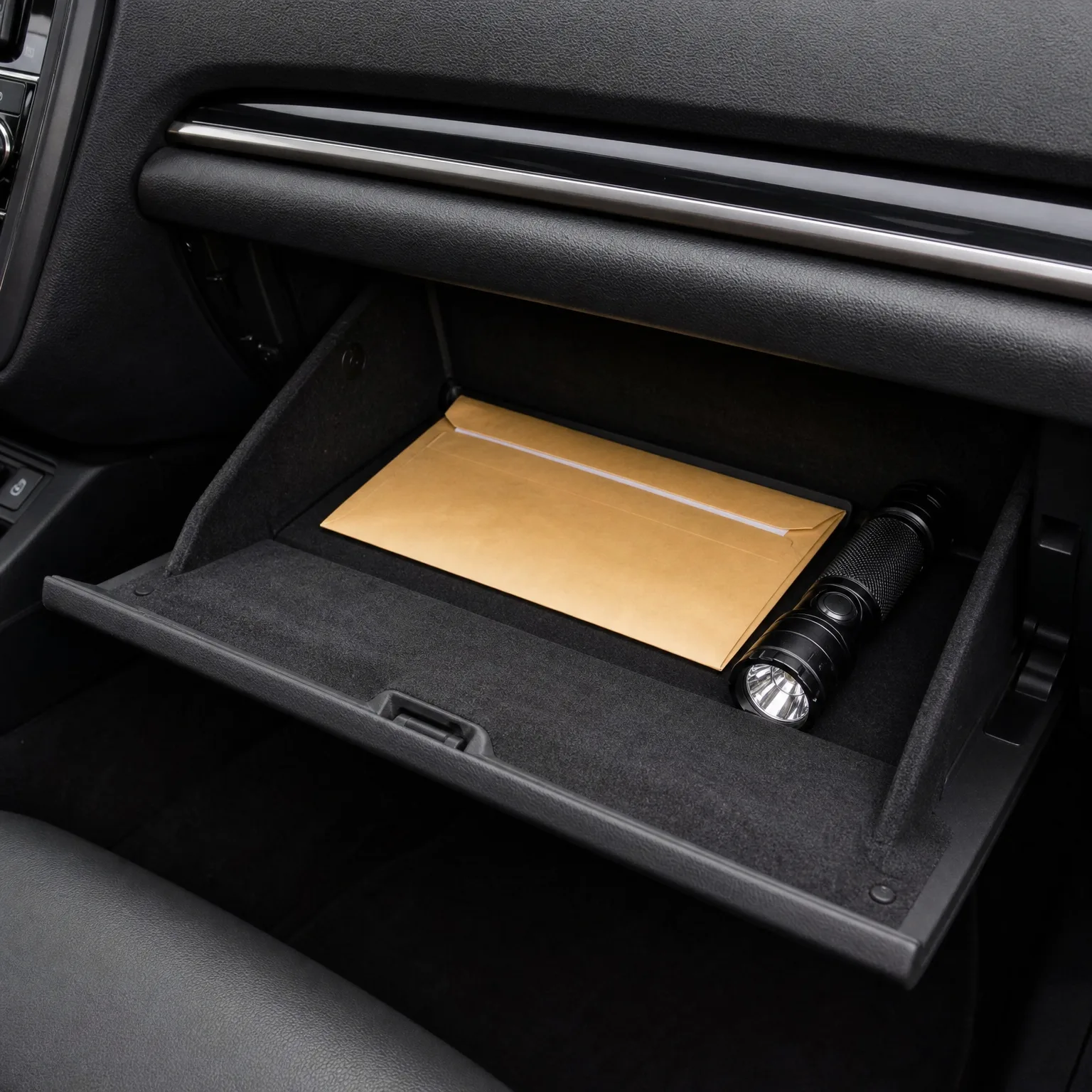
- Active policy status Check with the insurer directly to see if the policy is still active, since it doesn't cancel the moment someone passes away.
- Who's listed as a driver If you're not named on the policy, ask the insurer whether you can be added, especially if the title hasn't transferred yet.
- Title and ownership paperwork The car's title matters for registration and insurance eligibility, so find out what your state requires to transfer or add your name.
- Length of time since the death The longer a policy sits unchanged, the more likely an insurer will ask questions, so don't leave it for months without a call.
- State-specific rules on transfer Some states have different timelines and documents required for transferring a title or insurance after a death, so check with your state's motor vehicle office.
Why this isn't automatic trouble, but isn't automatically safe
Car insurance policies are tied to a person, not strictly to a vehicle, which is why a death doesn't instantly void coverage. Insurers don't get notified the moment someone passes away. They find out when a family member calls, when a premium payment fails, or when a claim is filed and the discrepancy comes up. That gap is exactly where confusion happens, because the policy exists but nobody has confirmed that you're covered to drive under it.
The legal risk isn't really about driving a car that belonged to someone who died. It's about whether you're an insured driver and whether the title and registration are in order. If you're driving without being listed on an active policy, and something happens, the insurer can deny the claim or investigate who was actually covered. That's a financial risk more than a criminal one in most cases, though driving an unregistered vehicle can bring its own separate issues depending on your state.
What changes the answer is how quickly you act and what you tell the insurer. If you call and explain the situation, most companies will work with you to add a driver, transfer the policy, or figure out next steps without canceling coverage outright. Problems tend to show up when nobody calls at all, and months pass with the car being driven under an untouched policy that technically covers someone who's no longer alive.
The title is the other piece. Even if insurance is fine, driving a car that still needs to be transferred can trigger separate paperwork requirements depending on where you live. These two things, insurance and title, don't always move at the same pace, so it helps to handle them as separate conversations rather than assuming one settles the other.