Can You Throw Away Old Insurance Documents
Yes, but keep your current policy and anything tied to an open claim or recent accident before you clear out the rest.
Sorting a husband's filing cabinet of policies
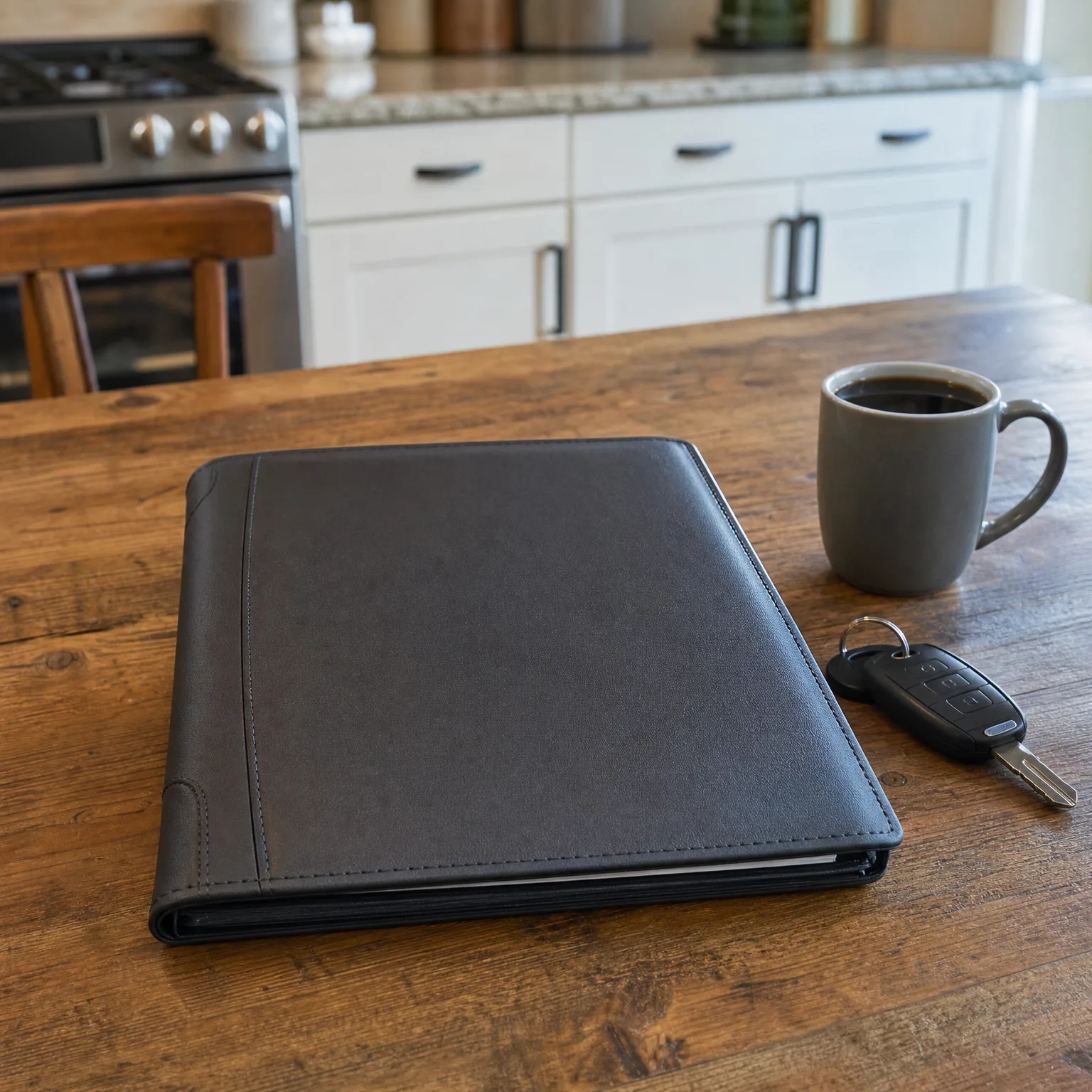
A woman was going through her husband's office six months after he passed and found a drawer full of insurance papers going back over a decade. Old declarations pages, renewal notices, even policies for cars they'd sold years ago. She didn't know what mattered and what was just paper, and she didn't want to throw out something she'd need later.
She kept the declarations page for the current policy, since that's what she needed to call in a claim or make changes. She kept paperwork from an accident claim that had closed only a few months earlier, since a dispute could still come up. Everything else, the renewal notices, the expired policies for cars long gone, the duplicate copies, she shredded. She called her insurer to confirm there was nothing open on the old policies first, just to be sure, and once they confirmed it she felt comfortable letting the rest go.
What if you find a claim you didn't know about?
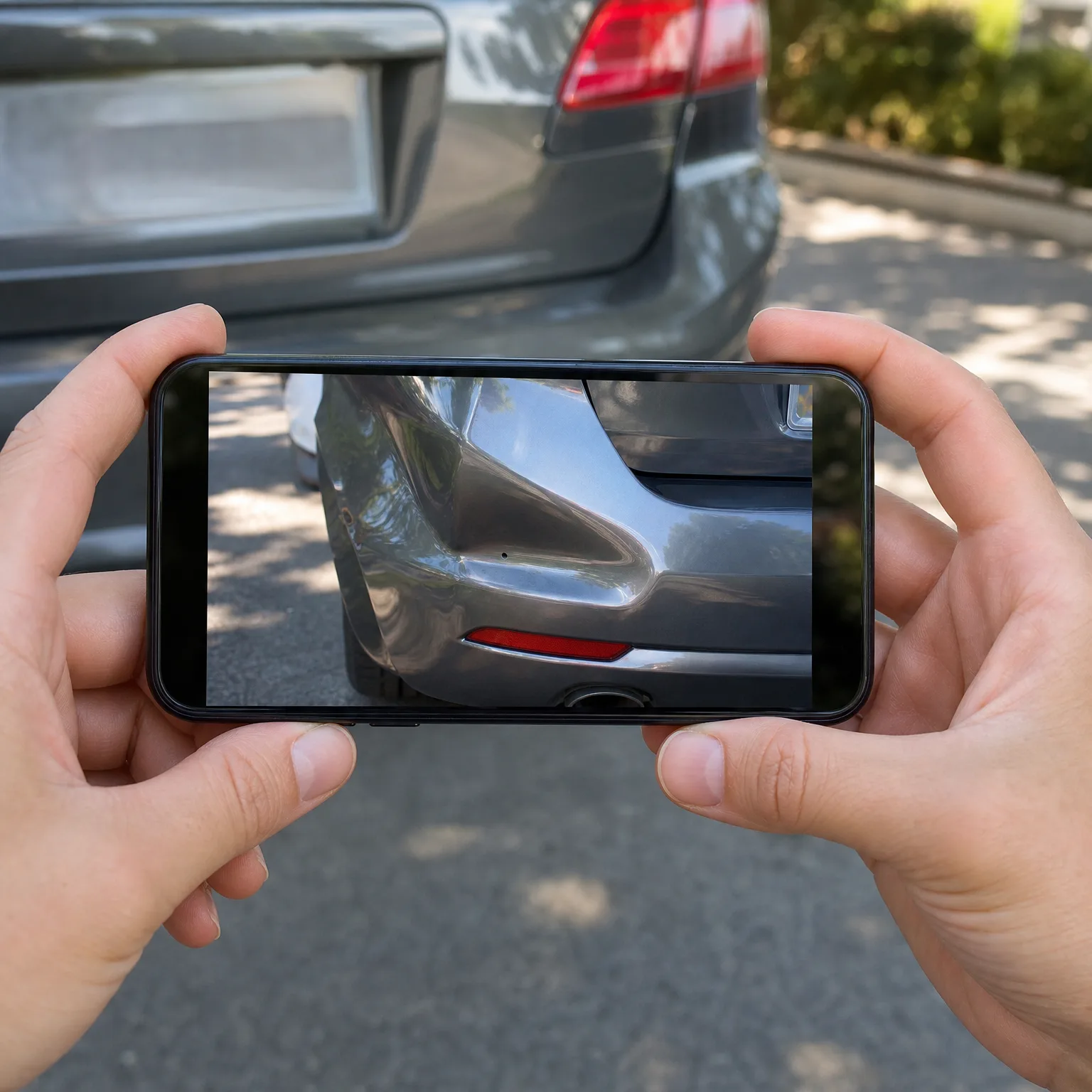
Call the insurer listed on the paperwork before you do anything else. Tell them your spouse has passed and you found documents referencing a claim, and ask them to tell you its status. This happens more often than people expect, especially when one spouse handled the insurance alone and never mentioned a fender bender or a smaller claim.
If the claim is closed, you can keep a copy for your records and let the rest go. If it's still open, don't shred anything related to it until it's resolved, since you may need those documents if there's a dispute about fault or payment. Either way, you're not expected to know this from the paperwork alone. The insurer can tell you in one call.

Should you shred it now or wait a while longer
If you do
You clear the cabinet, free up the space, and stop staring at a pile that reminds you of sorting through his things. If you kept the current policy and confirmed no claims are open, you've lost nothing. The relief of having it done is real, and it's one less decision waiting for you.
If you don't
The papers sit there a while longer, which is fine too. Nothing bad happens if you wait a few more months to feel ready. The only real cost is the reminder every time you open that drawer, and the small chance you forget which old policies you already checked.
Once you know what to keep, compare quotes for the policy you're actually keeping, not the one you inherited.
What to keep, what to check, what to let go
- Current declarations page This is the page that shows your active coverage and limits. Keep it until you replace it with a new one, since you'll need it to make changes or file a claim.
- Open claim paperwork If a claim hasn't fully closed, keep every document related to it. Call the insurer first if you're not sure whether it's closed.
- Old cars, sold or gone Once the car is sold and no claim is pending, these documents have no ongoing use. Shred them after confirming nothing is open.
- Old renewal notices These are snapshots in time with no current value once a new policy replaces them. You can shred them as soon as you confirm the current policy is correct.
- Papers with policy numbers Don't just toss these in the trash since they carry information someone could misuse. Shred them, or cross out the numbers by hand if you don't have a shredder.

How long should you keep car insurance records after a death?
Keep anything tied to an open claim until it's fully resolved, and keep the current policy for as long as it's active. Beyond that, there's no fixed answer that applies everywhere, so if you're unsure about a specific document, call the insurer and ask directly whether it still matters. For most old, closed, expired paperwork, once you've confirmed nothing is pending, there's no ongoing reason to keep it.
Do you need old insurance papers to transfer a car title?
No, a title transfer usually depends on the title itself, a death certificate, and sometimes probate documents, not old insurance paperwork. Insurance and titling are handled separately. Check with your state's motor vehicle office for the exact documents they require, since that process varies by state and by whether the car was jointly owned.
What should you do with insurance papers for a car you're selling?
Keep the current policy active until the sale is final, then cancel it and keep the cancellation confirmation for your records. You can shred the older paperwork for that car once the sale is complete and no claims are pending. If the car was financed, check with the lender too, since they may have their own requirements before the policy can be dropped.