Compare Car Insurance Without Personal Information
You can compare real ranges using your car and coverage details alone, but a final price always needs your name, address and driving record.
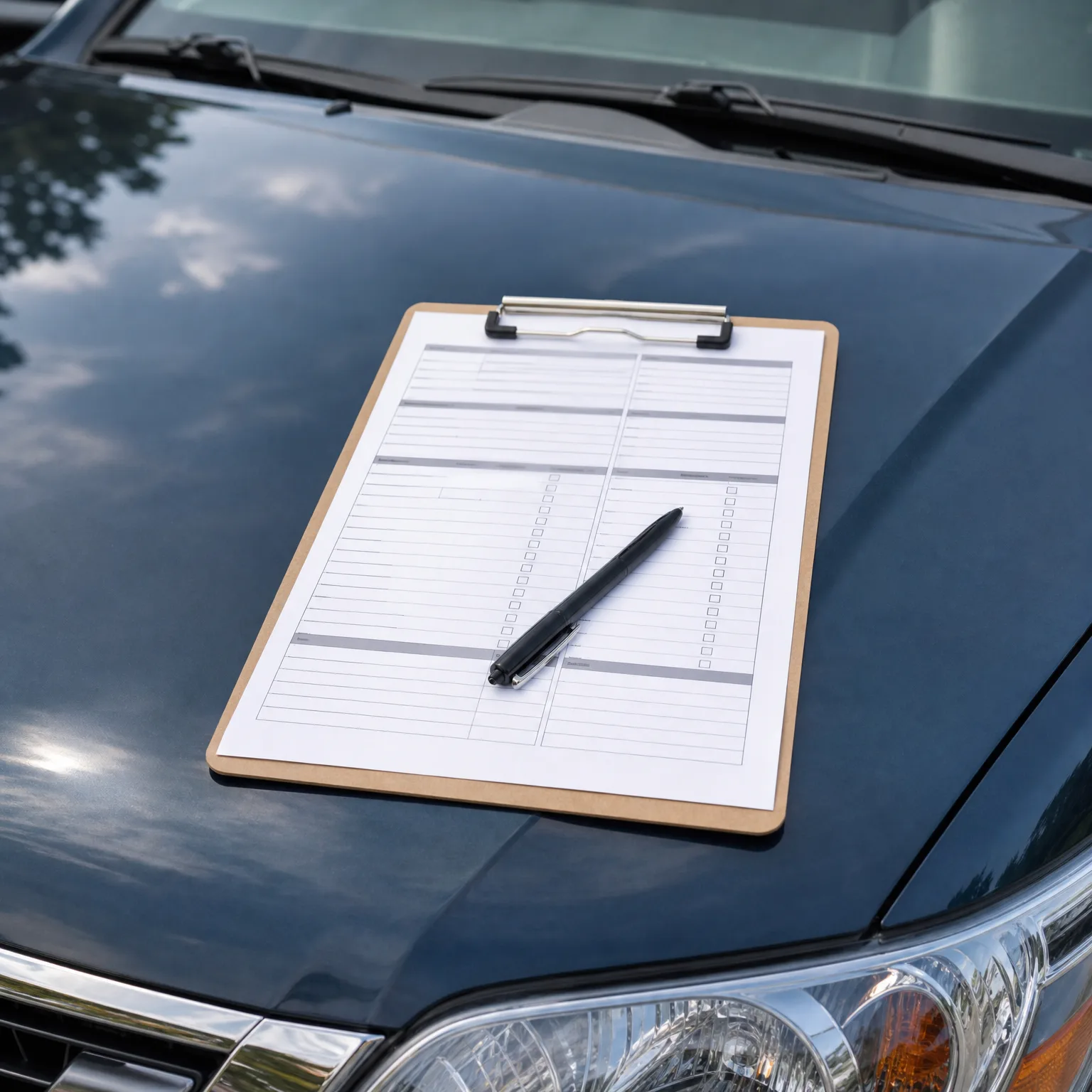
What you can skip early, and what you can't skip forever
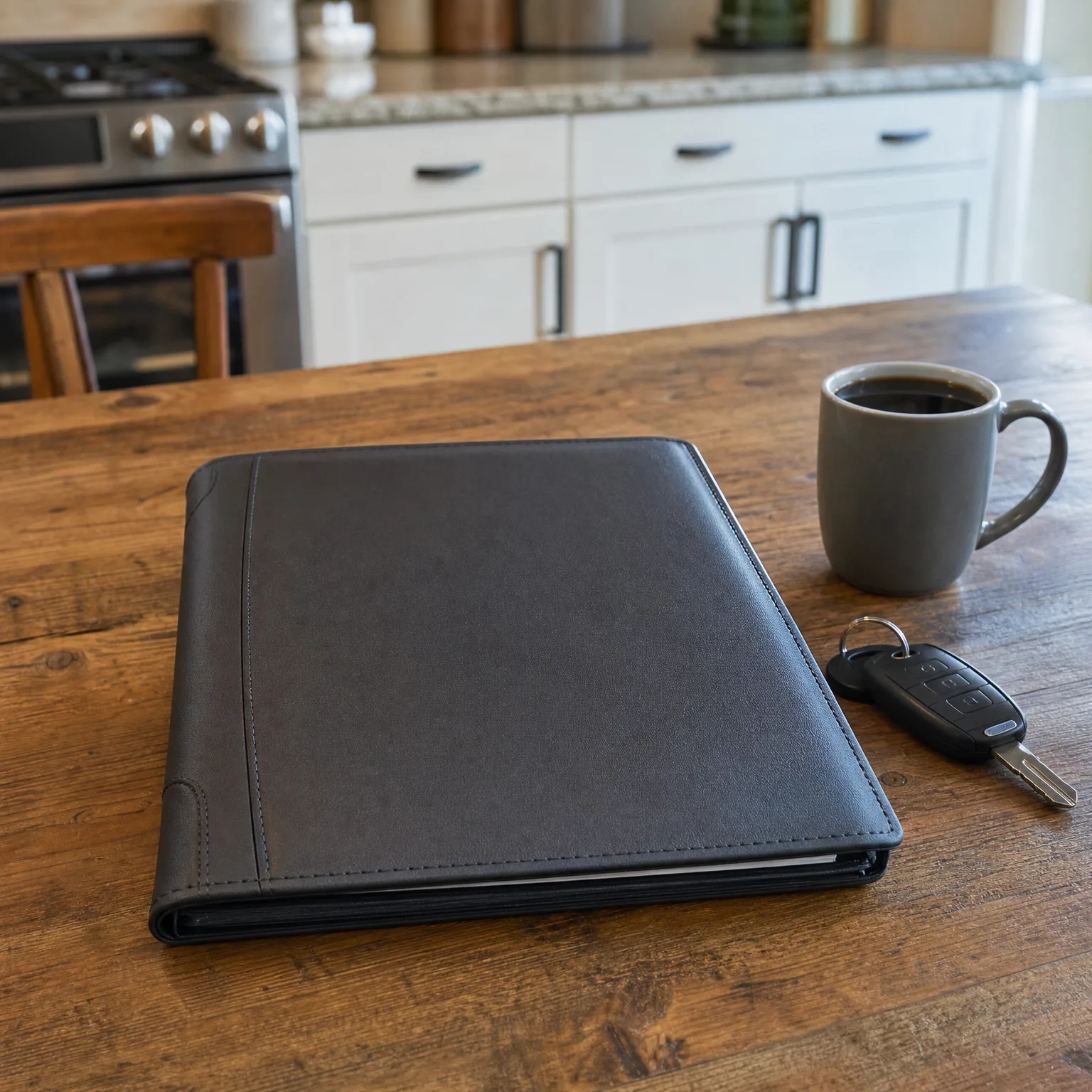
- Car details first Year, make, model and how you use the car get you real starting ranges. Have your title or registration nearby so you can enter this quickly and accurately.
- Coverage choices next Decide what coverage you want before you enter any names. This keeps you comparing the same policy across insurers instead of different guesses.
- Driving record comes later Every insurer eventually needs your license and driving history to finalize a price. Expect to enter this once you've narrowed down two or three options.
- Address affects price Where the car is kept changes the quote, sometimes a lot. Have your current address ready even in early comparisons, since this one detail is hard to skip.
- Full application comes last Only enter your name, birthdate and full details with an insurer you're seriously considering. Treat this step as a near-final decision, not browsing.
Comparing coverage for a car that now sits unused
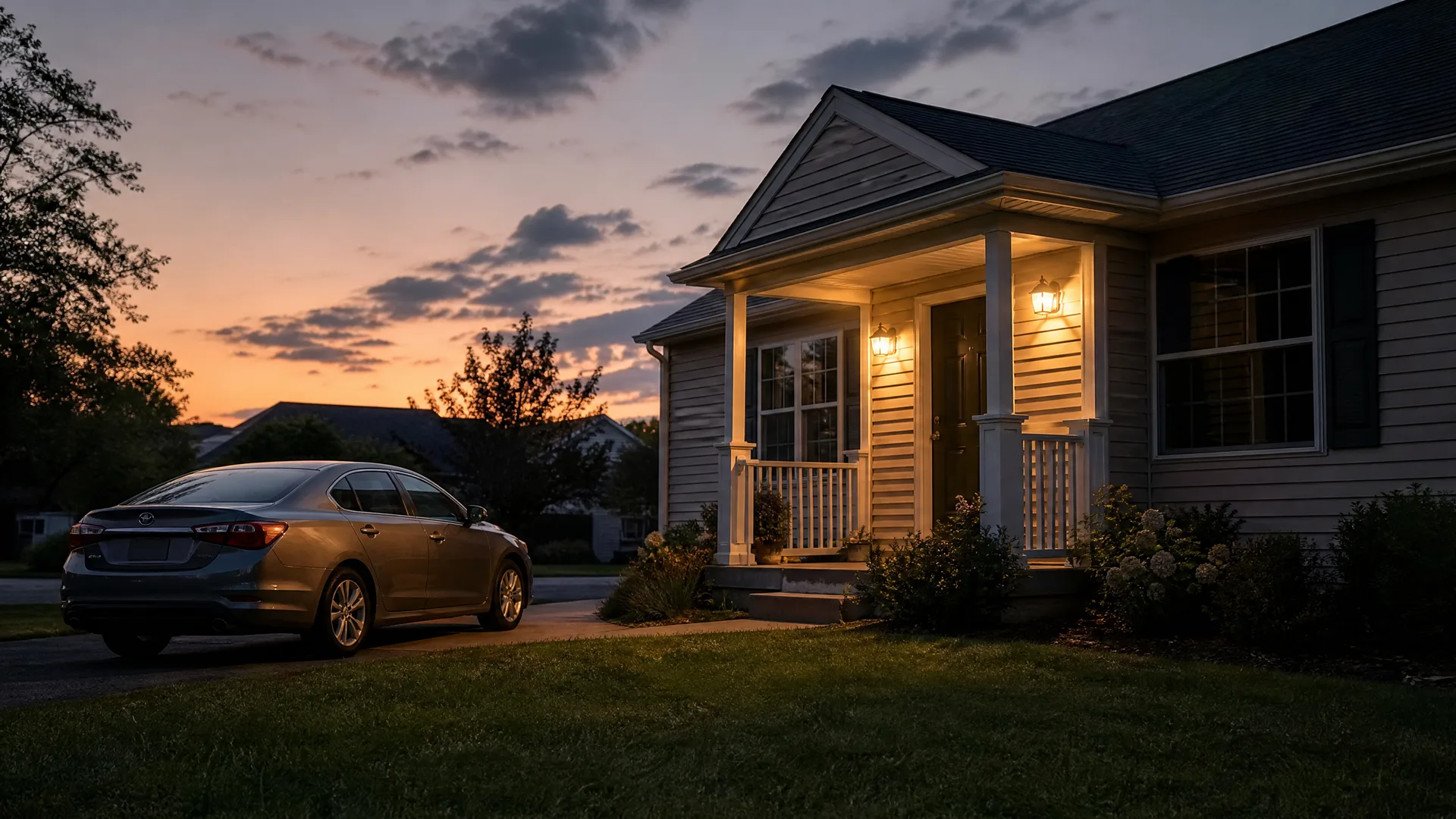
A widow kept her late husband's sedan after he passed, even though she mostly drives her own car now. She wanted to see what it would cost to keep it insured versus dropping to a lower tier of coverage, without yet deciding anything or handing over her name to five different companies.
She started by entering the car's year, make and model along with the coverage levels she was weighing, nothing more. This gave her a real sense of the range between keeping full coverage and switching to a minimal policy. Once she saw the gap was smaller than she expected, she picked two insurers worth a closer look and only then entered her driving history and address to get final numbers. She ended up keeping a reduced policy on the car rather than selling it right away, a decision she made with real numbers instead of guesses.
You don't need to hand over your identity to learn what matters most right now, the actual cost range.
Once you know the coverage and range that fit your situation, compare quotes to see which insurer honors it.

Entering your personal details early versus waiting
If you do
You'll get an exact price right away, tailored to your record. But you'll also get calls and emails from insurers before you've decided anything, and you may feel pressured to pick quickly just to make the outreach stop.
If you don't
You can compare ranges calmly, on your own schedule, without anyone contacting you. The tradeoff is that your final choice still waits until you enter full details, so you won't walk away with one firm number today.
Why do insurance quotes need my address at all?
Because where a car is kept and driven changes the real risk an insurer is taking on. Accident rates, theft rates and even repair costs shift from one area to another. This is true everywhere, though exactly how much it changes your price depends on the insurer and the state, so check whether a quote is treating your address as a rough estimate or a final input before you rely on the number.
Can I get an accurate quote without my driving record?
No, not a final one. Your driving history is one of the strongest factors in your actual price, so any quote given without it is a range, not a guarantee. Use early quotes to compare coverage and companies, then expect the number to shift, up or down, once you provide your record during the final step.
Is it safe to give insurers my personal information online?
Generally yes with established insurers, but it's worth checking how a specific site handles your data before you enter it. Look for a clear privacy policy and a secure connection, and be cautious if a site asks for sensitive details before showing you any pricing at all. When in doubt, compare using car and coverage details first, then share personal information only with the insurer you're seriously considering.