Do I Have to Tell My Insurer Before I Sell My Car
You don't have to tell your insurer before the sale, but you do need to remove the car from the policy once it's gone.
The timing works differently than most people expect
Insurance follows the car, not the paperwork. Your policy covers a vehicle you own and drive, so the moment you sell the car and hand over the keys, it stops being a vehicle you need to insure. Nothing about the sale itself requires you to call your insurer first or get permission to sell.
What matters is what happens after. If the car is still listed on your policy, you're paying premium for something you no longer own, and in some cases a lingering listing can complicate a claim if anything happens with the new owner's use of the car before paperwork catches up. Calling your insurer after the sale closes that gap cleanly.
There's a separate piece this question often gets tangled up with, which is the title and registration transfer. That process is handled through your state's motor vehicle agency, not your insurer, and it runs on its own timeline and rules. Your insurer doesn't need to be part of that step, though you'll want the sale date documented somewhere in case questions come up later.
The one case where timing matters more is if you're replacing the sold car with a new one right away. Then you're not just removing a vehicle, you're swapping it, and doing that in one call to your insurer keeps your coverage continuous instead of leaving a gap or overlap.
The short version
You don't need to tell your insurer before selling your car, only after. Insurance covers a vehicle you own, so once it's sold it no longer belongs on your policy. Call your insurer after the sale to remove the car and adjust your premium.
What if I sell the car but keep paying for it on my policy by mistake?
This happens more than people realize, especially when a sale happens quickly or during a busy stretch of life. If the car stays listed, you're simply paying premium for a vehicle you no longer have any connection to, which costs you money but usually doesn't cause bigger problems on its own.
The bigger risk is on the other side. If the new owner gets into an accident before the car is off your policy and somehow your coverage gets pulled into a dispute, having clear documentation of the sale date and the buyer's information protects you. As soon as you notice the mistake, call your insurer, give them the sale date, and ask them to remove the vehicle and refund any unused premium if your policy allows it.
With that settled, compare quotes for your remaining car or a replacement with confidence.
What to actually do when you sell a car
- Call after, not before You don't need your insurer's approval to sell. Once the sale is final, call them to remove the car from your policy.
- Keep proof of the sale Write down the sale date and keep the buyer's name and contact information. This protects you if any questions come up later.
- Handle title transfer separately Your state's motor vehicle agency manages title and registration, not your insurer. Check your state's specific process so the transfer is official.
- Ask about refunds If you paid premium in advance, ask your insurer whether removing the car early means getting some of that money back.
- Add the new car right away If you're replacing the car, give your insurer the new vehicle's details at the same time so your coverage doesn't lapse or overlap.
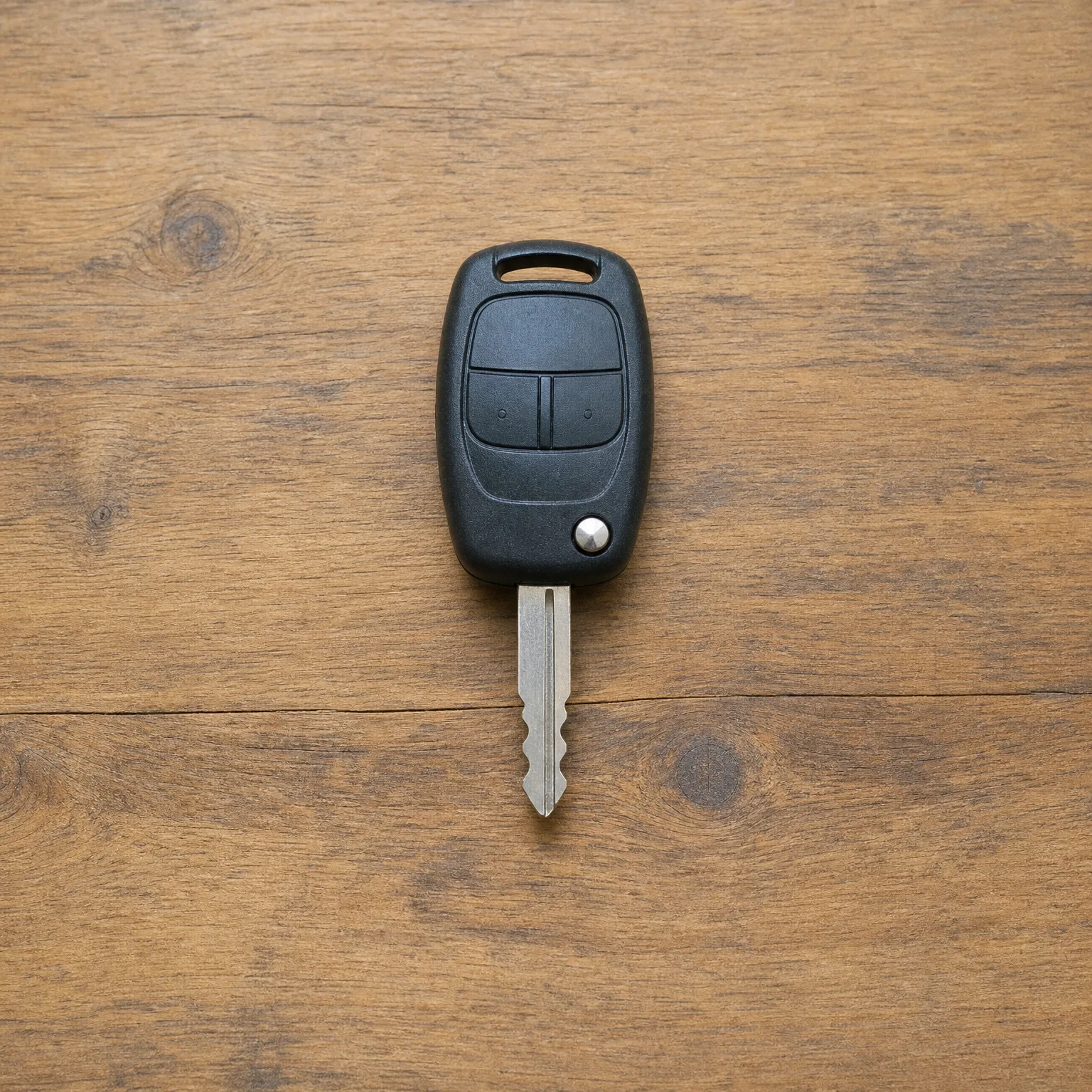
Selling a car you no longer drive
You and your spouse had two cars, but after your spouse passed, one of them mostly sat in the driveway. A few months in, you decided to sell it to a neighbor's adult son who needed a reliable car. You didn't call your insurer beforehand, since the sale itself was between you and him, handled with a bill of sale and the title signed over at the kitchen table.
After the sale closed, you called your insurer to take the car off your policy. They asked for the sale date, confirmed the other car was still covered under your name, and adjusted your premium since you were down to one vehicle. A few weeks later you got a small refund for the unused portion of that car's coverage. The title transfer went through your state's motor vehicle office on its own schedule, completely separate from the insurance call, and once both pieces were done you felt like that part of settling things was finally closed.