Do I Need Both Collision and Comprehensive
You need both only if losing the car's cash value would actually hurt, not just annoy you.

A car nobody drives after a loss
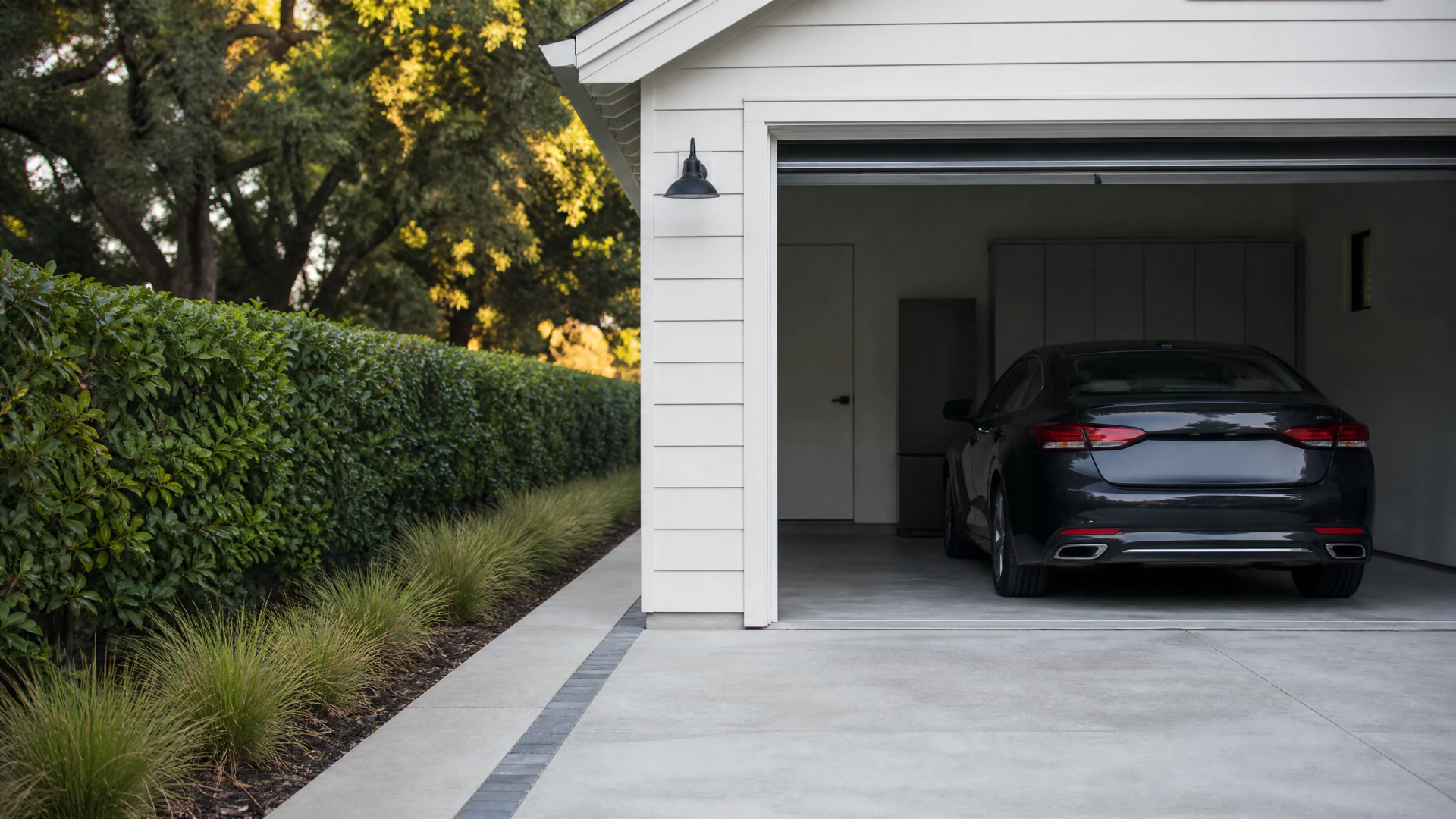
A woman kept her late husband's sedan in the driveway for months after he passed. It still ran fine, but she drove her own car everywhere and the second one just sat there, registered and insured because she hadn't gotten around to deciding what to do with it. When she finally called to sort out the policy, the agent asked what the car was worth and what she'd do if it were stolen or totaled in a storm.
She realized the honest answer was that she'd probably just let it go. It wasn't worth much, she didn't need it, and replacing it wasn't a priority. So she dropped collision and comprehensive on that car entirely, kept liability only since it was still titled and technically drivable, and put the savings toward her own car's coverage instead. If she'd needed the car, or planned to sell it for real money, keeping both would have made more sense. The decision came down to what losing that specific car would actually cost her, not what coverage sounded responsible to carry.
What happens to this coverage if I sell or transfer the car?
Collision and comprehensive end when the car is no longer yours to insure. If you sell it, trade it in, or sign the title over to someone else, that coverage should come off the policy the same day, since you're no longer the one who'd be paid for damage to it.
If you're transferring a car that belonged to your spouse into your own name, the coverage doesn't automatically carry over just because the car didn't change hands in a sale. You'll want to confirm the policy reflects who actually owns and drives the car now. This is also the moment to decide again whether collision and comprehensive make sense for that car, rather than just leaving the old settings in place.

Once you know which cars need collision and comprehensive, compare quotes to see what that coverage actually costs.

Keeping both coverages versus dropping them
If you do
If you keep collision and comprehensive, you're covered if the car is stolen, damaged by weather, hit by an animal, or wrecked in an accident you caused. You'll pay a deductible when you file a claim, and the payout is based on the car's current value, not what it originally cost.
If you don't
If you drop them, you stop paying for that protection, but you also stop having it. A theft, flood, or at-fault accident means you absorb the full cost of repairing or replacing the car yourself. For an older car worth little, that trade-off often makes sense. For a car you rely on, it usually doesn't.
Why the answer depends on the car, not a rule
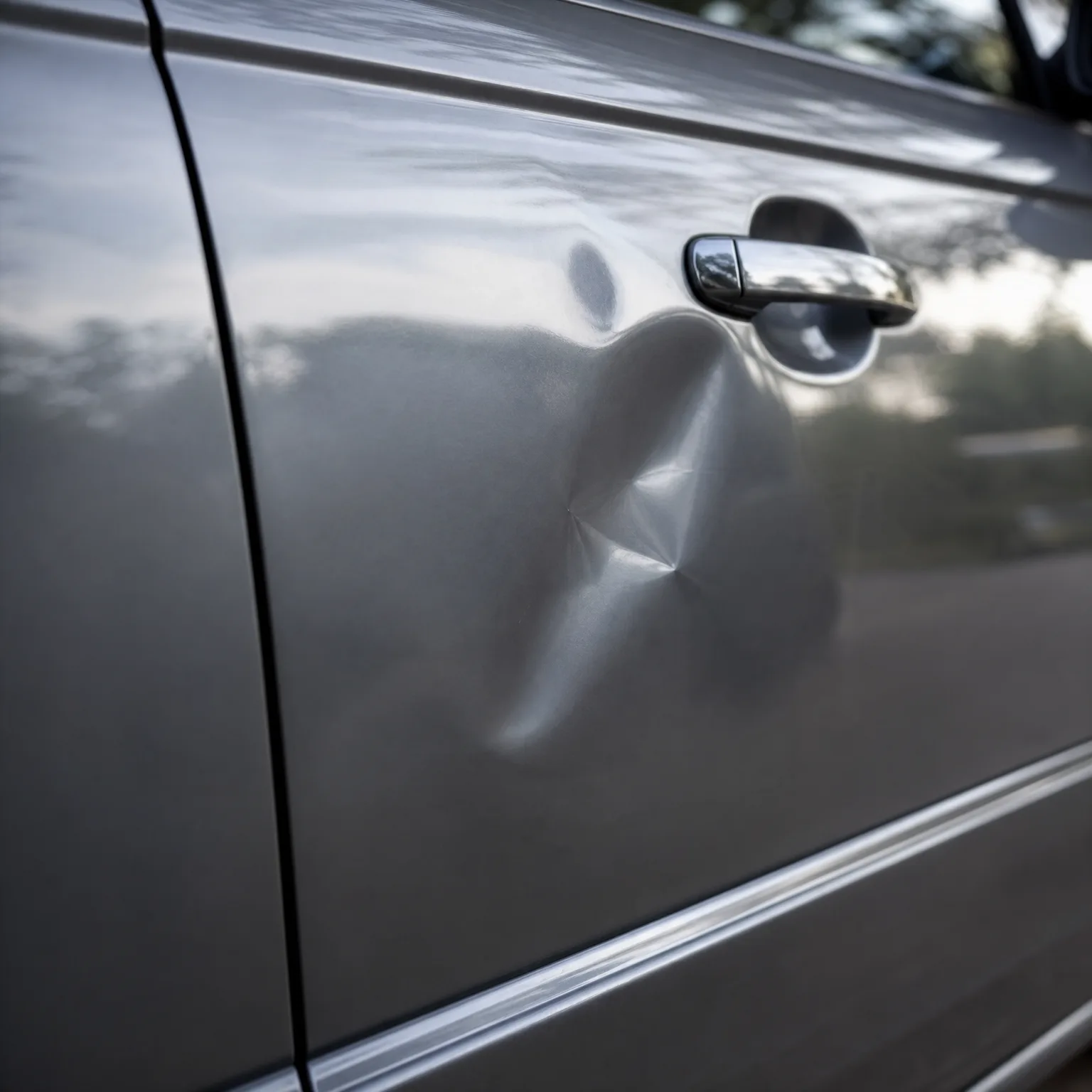
Collision and comprehensive both protect the car itself, not other people or their property. Collision covers crashes, comprehensive covers almost everything else, theft, weather, fire, animals. They're priced and sold separately, which is why you can carry one without the other, but most insurers require you to have both if you want either, since they cover different kinds of damage to the same vehicle.
The real question isn't whether these coverages are useful. They are. The question is whether this particular car is worth insuring that way. If the car were destroyed tomorrow, would the payout matter to you? If the car is old enough or has enough miles that it's worth very little, the payout might not even cover much after the deductible, which means you'd be paying premiums for a check that barely helps.
This is also where a loan or lease changes things. If a car is financed, the lender usually requires both coverages until it's paid off, because the car is their collateral too. If the car you're sorting out is paid off and titled free and clear, you have more room to decide based on what makes sense for you rather than what a lender requires.
State rules don't typically mandate collision or comprehensive the way they mandate liability, but they can affect how claims are paid out, what a total loss means, and what documentation you need if ownership recently changed. If you're retitling a car that was in a spouse's name, check with your state and your insurer about what's needed to keep the policy valid during that transition.
The coverage should match what the car is worth to you now, not what made sense when someone else decided it.