Do I Need Insurance for Test Drives When Selling a Car
Your own policy usually covers the car during a test drive, but you need to confirm a few things before a stranger gets behind the wheel.
Your policy follows the car, with conditions worth checking
Car insurance is generally tied to the vehicle rather than the driver. That means if your policy is active and the car is registered and insured under your name, a test drive by a potential buyer is typically covered the same way a loan to a friend would be. The policy doesn't usually care who's driving, as long as they have your permission and a valid license.
Where this gets complicated is with the details of who's at fault if something happens. If the test driver causes an accident, your insurance is likely the one that pays, since the policy is attached to the car. Your rates could be affected even though you weren't driving. This is the tradeoff of letting someone else test a car you still own and insure.
Some insurers add conditions around permissive use, especially if the driver doesn't live with you or has a history of accidents. A few states and policies also treat repeated test drives, like if you're selling several cars, differently than a one time sale. This is where it matters to actually read your policy or call and ask, rather than assume.
If you've already canceled your insurance because the car is sold or no longer driven, there's no coverage left for anyone to use. The gap between canceling your policy and finalizing the sale is exactly when you're exposed, so the order you do things in matters as much as the coverage itself.
Selling a car that's been sitting since your spouse passed
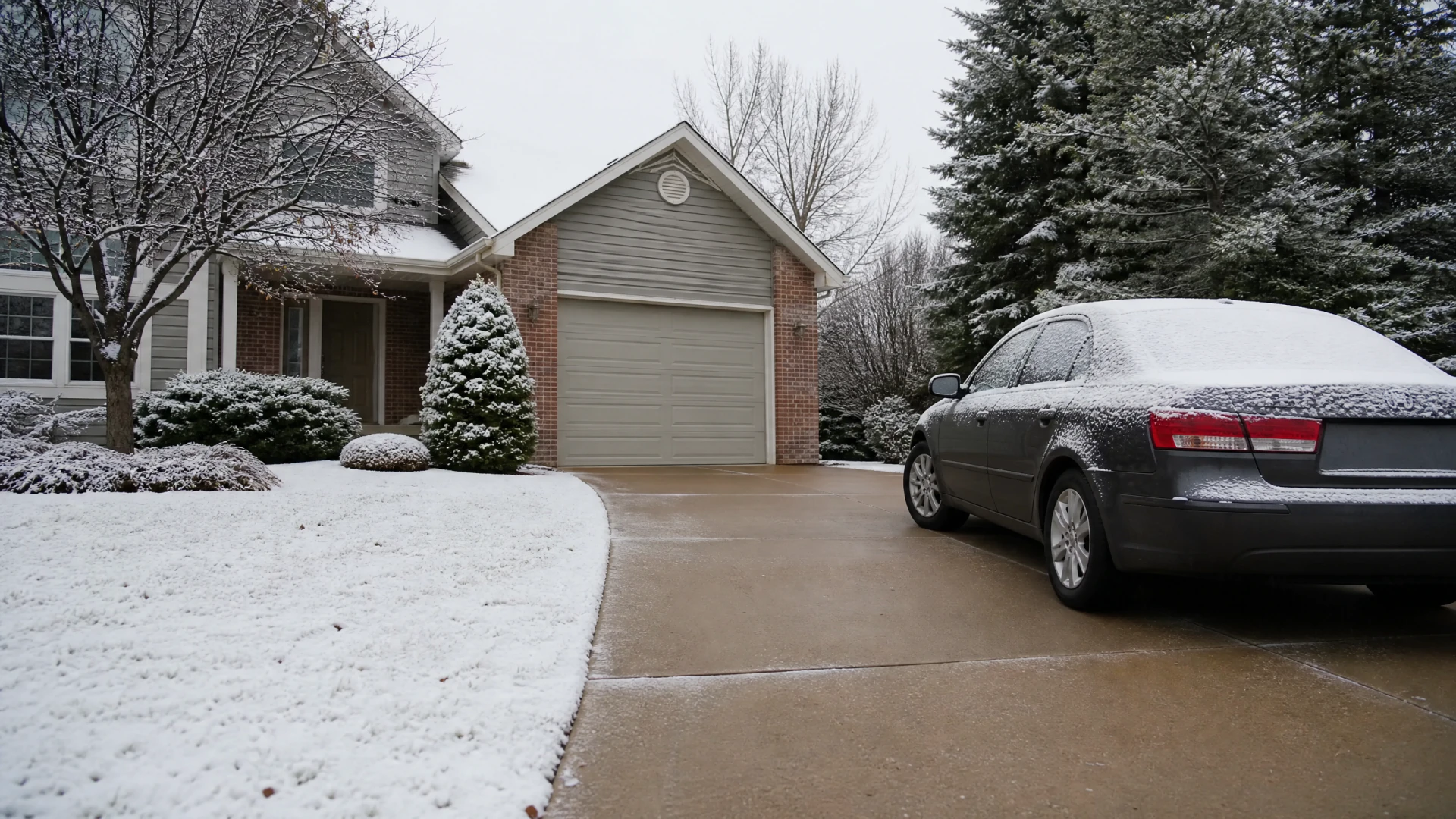
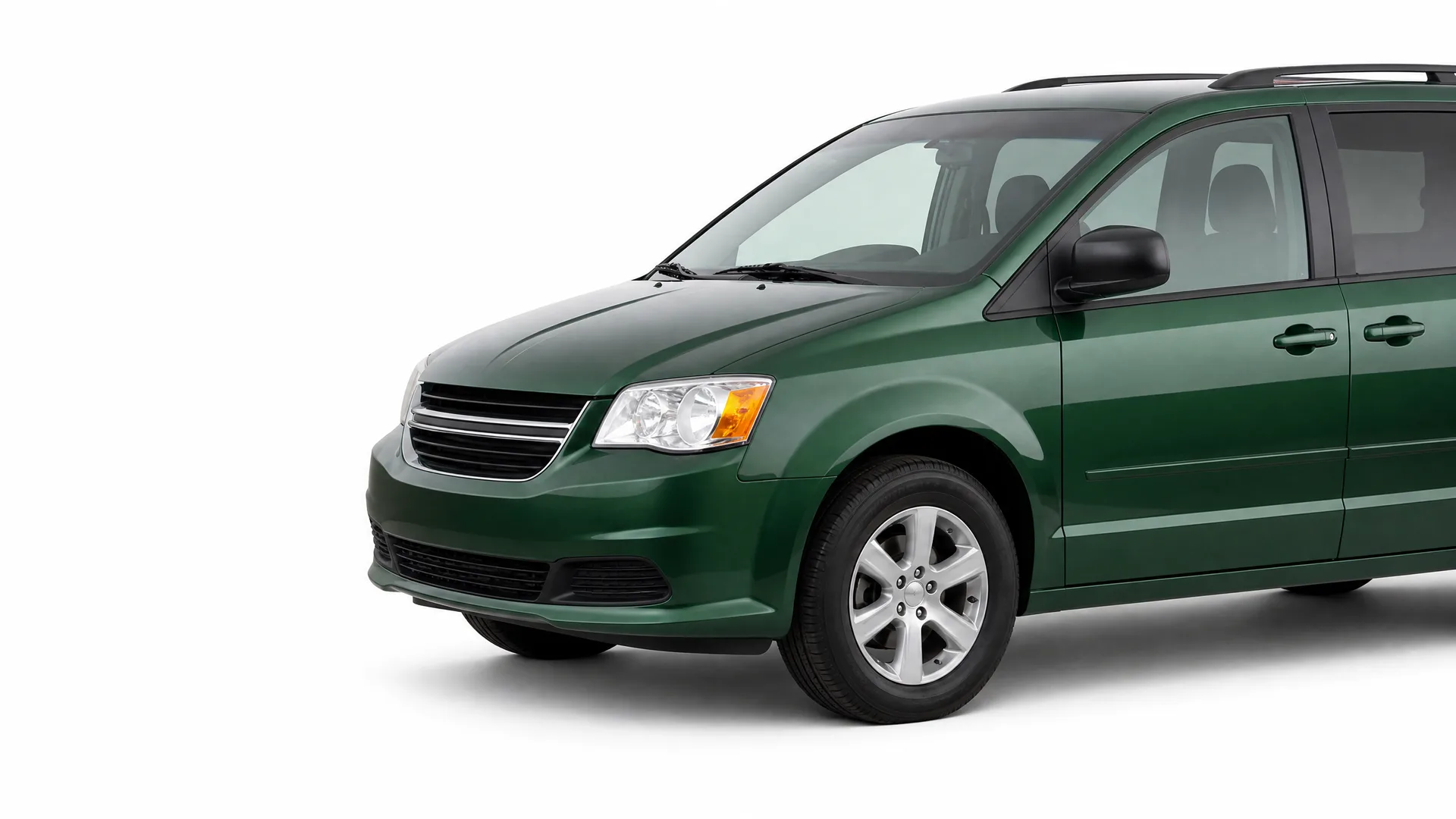
Say there's a second car in the garage that your spouse used to drive, and you've decided to sell it rather than keep paying to insure something that just sits there. A buyer responds to your listing and asks to test drive it before making an offer. Before agreeing, you check your policy, and confirm the car is still insured under your name since you haven't canceled that coverage yet.
You ask the buyer for their license, write down their name, and go along for the test drive or at least watch it happen nearby. The drive goes fine, the buyer makes an offer, and you complete the sale that afternoon. Because you checked coverage first and didn't cancel the policy until after the car changed hands, there was never a moment where the car was out on the road uninsured. You call your insurer the next day to remove the car from your policy.
The real risk isn't the test drive itself, it's canceling coverage before the sale is actually done.
Once you know the test drive is covered, compare quotes to find the right policy for the car you're keeping.

Confirming coverage before you let a buyer drive the car
If you do
You call your insurer, confirm the car is covered for permissive use, and ask about any conditions. You get a clear answer before the test drive happens. If something goes wrong during the drive, you already know what your policy covers and who's responsible, instead of finding out in the middle of a stressful situation.
If you don't
You assume coverage carries over and let a buyer test drive the car without checking. If an accident happens, you may discover restrictions you didn't know about, or find the policy was already canceled. Sorting out fault and payment becomes much harder after the fact than a five minute call would have been.

What to confirm before any test drive
- Policy still active Make sure you haven't already canceled coverage on the car. If you have, there's no insurance in place for anyone to drive it, including you.
- Permissive use allowed Check that your policy covers other drivers with your permission. Most do, but some have conditions worth knowing in advance.
- Buyer has a valid license Ask to see the buyer's license before handing over the keys. This protects you if anything happens during the drive.
- Ride along if possible Going along on the test drive or watching nearby lets you see how the car is handled. It also means you're right there if anything goes wrong.
- Cancel coverage after the sale Wait until the sale is fully done before you cancel or adjust your policy. Canceling too early leaves a gap if plans change.
What if the buyer wants to test drive it alone?
This is riskier than going along yourself, but it doesn't necessarily change whether your insurance covers the drive. If the car is still insured under your name and you gave permission, that coverage typically still applies even if you're not in the car.
What changes is your ability to see what's happening and to vouch for how the car was driven if there's a dispute afterward. Some sellers feel comfortable letting a serious buyer drive alone, especially if they've exchanged contact information and seen a license first. Others prefer to always ride along, just to avoid any ambiguity about speed, route or handling.
If you do allow a solo test drive, it helps to set a few basic expectations beforehand, like confirming the route or agreeing on how long they'll be gone. This isn't about insurance coverage so much as reducing the chances of a disagreement if something feels off when the car comes back.