Do I Need Rental Reimbursement Coverage
Keep it on a car you depend on daily; a car you have as backup or plan to sell may not need it at all.
One car totaled, one car sitting in the driveway
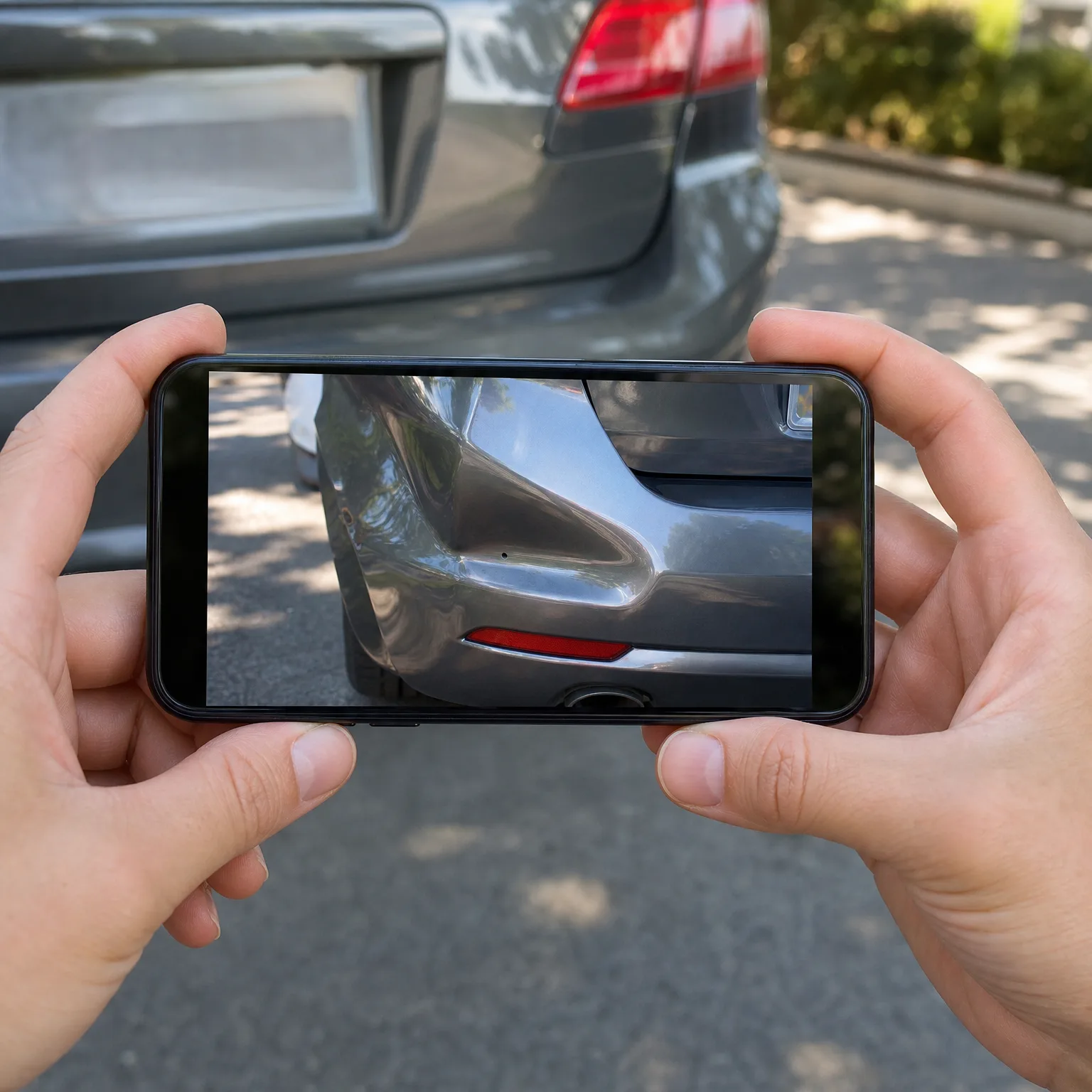
A woman whose husband had managed their insurance for decades found herself with two cars after he passed, his sedan and her SUV, both on one policy. A few months in, her SUV was hit in a parking lot and needed two weeks of bodywork. She still had rental reimbursement on that car from when it was the only one they drove daily, so she called her agent, got a rental car approved, and used her husband's sedan for the days she couldn't get to the rental lot.
She realized afterward that if she'd already dropped coverage on the SUV thinking she didn't need it since there were two cars in the family, she would have paid for that rental herself. But she also realized the sedan didn't need the same coverage, since it mostly sat in the garage and she had a backup if something happened to it. She kept rental reimbursement on the car she drove daily and dropped it on the one she was planning to sell, which matched the coverage to how she actually used each car instead of leaving both policies the way her husband had set them up.
What if I decide to sell the second car instead of keeping it insured?
Selling the second car usually simplifies this decision rather than complicating it. Once it's gone, you're not paying for rental reimbursement, or any other coverage, on a car that isn't being driven. You only need to think about rental reimbursement on the car or cars you're actually keeping and using.
Before you sell, check what the title transfer requires in your state and make sure the car is removed from the policy on the right date, not left on by accident after the sale closes. Until it's sold, it still needs some coverage even if it's unused, because a car can be damaged, stolen or involved in an accident while parked. Ask your agent what minimum coverage makes sense to carry on a car you're actively trying to sell.
Once you know which cars need rental reimbursement and which don't, compare quotes to see what that coverage costs.

Whether to keep rental reimbursement on a car you still drive daily
If you do
You keep a small added cost on your policy, but if that car is ever in a shop after an accident, you get a rental car paid for while repairs happen. You're not stuck arranging rides or renting out of pocket during a week you're already dealing with enough.
If you don't
You save a small amount each month, but if that car needs repairs after an accident, you're responsible for your own transportation until it's back. That could mean renting a car yourself, borrowing one, or going without until the shop finishes.
It only matters if losing that specific car would actually strand you
Rental reimbursement exists to cover a gap, not a loss. It doesn't pay for damage to your car, your regular collision and comprehensive coverage does that. It pays for a rental car while your own is being repaired after a covered accident, so the real question is whether you'd need a replacement car during that window.
That's why it matters so much whether you have a second working car in the household. If you do, and you can rely on it for a week or two, rental reimbursement on the other car is often unnecessary, since you already have backup transportation. If you don't, or the second car isn't reliable or insured for regular driving, losing your main car even briefly can be a real problem.
This is also why it's worth looking at each car on your policy separately rather than assuming the same coverage should apply to both. A car you drive every day for work or errands has a different risk profile than one that mostly sits unused. Keeping rental reimbursement on the car you depend on, and dropping it on the one you don't, usually matches the coverage to the actual risk.
What varies by insurer is how the reimbursement is paid, whether there's a daily limit, a total limit, or a waiting period before it kicks in. Some policies pay from the first day, others only after the car has been in the shop for a set number of days. Ask your insurer directly how their version works before you decide to keep or drop it.
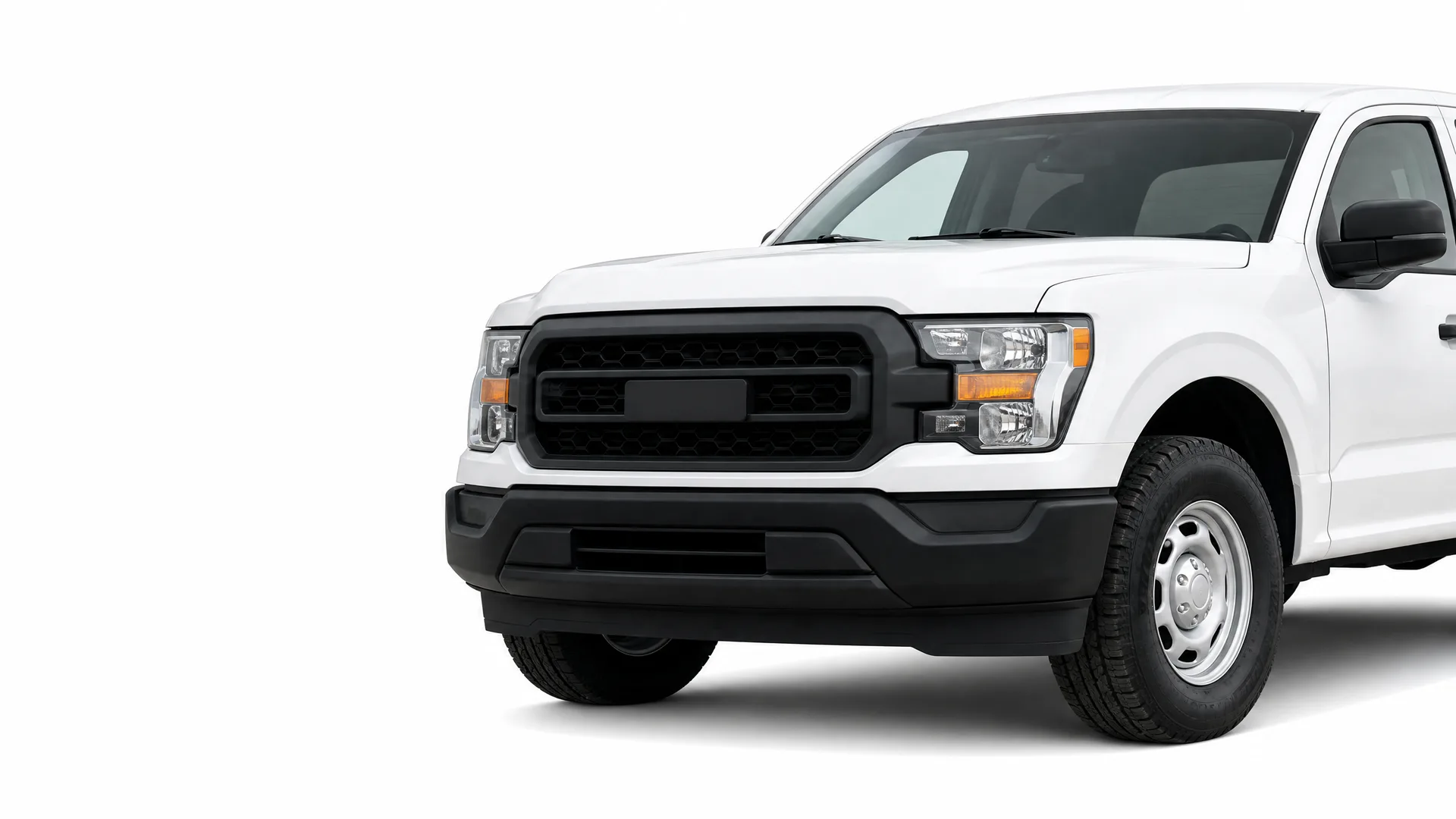
The question isn't what you can afford, it's whether losing that car would actually leave you stranded.