Do I Really Need Comprehensive and Collision Coverage
You need comprehensive and collision if the car is worth enough, or owed on enough, that you couldn't replace it out of pocket.
It comes down to the car's worth versus the cost of dropping it
Comprehensive and collision exist to pay for damage to your own car, not damage you cause to someone else. Liability coverage, which is usually required, handles the other driver's car and injuries. Comprehensive and collision are optional everywhere, and whether you carry them is a bet you're making on your own vehicle.
If you have a loan or lease, the lender almost always requires both coverages until the loan is paid off. That's not a choice you get to make, it's written into the financing. Once the car is paid off, the decision becomes yours, and it turns on one question: if this car were totaled tomorrow, could you afford to replace it with cash, or would losing it set you back badly?
The math people use is to weigh the yearly cost of the coverage against the car's actual value. If the car is old enough that it's worth little, the payout after an accident might barely cover a few years of premiums, and you'd be paying to insure something the insurer would barely pay out on. If the car is newer or worth more, losing it without coverage could mean financing another one you didn't want, at a worse time.
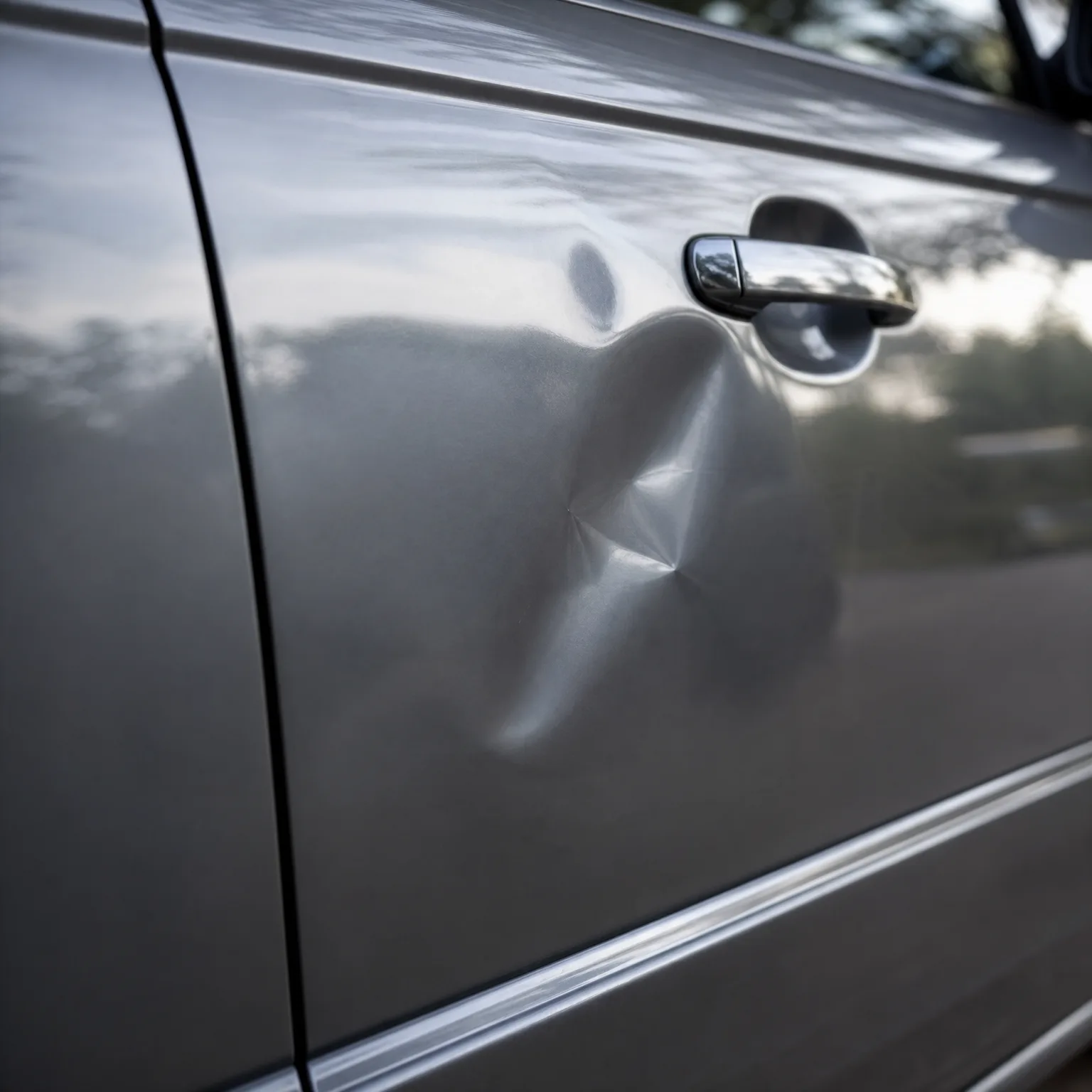
There are cases in between. A car you still drive daily but that's lost most of its value is the hardest call, because the coverage costs more relative to what it protects. Some people keep collision but drop comprehensive, or the reverse, since the two protect against different things, like a collision versus weather, theft or an animal strike. Check what your state or insurer requires, if anything, before you decide, since financing rules and minimums aren't the same everywhere.
The short version
You need comprehensive and collision if your car has a loan, or if replacing it with cash would be hard. If it's paid off and worth little, dropping one or both can make sense. Figure out what the car is actually worth right now, then decide before you shop for quotes.
What happens to a car with a loan if I drop the coverage anyway?
If you drop comprehensive or collision on a financed car, you're breaking the terms of your loan agreement, not just taking a risk. Lenders check this, sometimes automatically through the insurer, and most will catch it quickly.
When they catch it, the lender has the right to buy a policy on your behalf and bill you for it. That policy, often called force-placed coverage, is usually far more expensive than what you'd find yourself, and it typically only protects the lender's interest in the car, not you. It won't pay out to repair your car or replace your belongings inside it.
If you're thinking about dropping this coverage on a financed car, call the lender first and ask what the loan actually requires, since the terms are set by the contract, not by general insurance rules.
Once you know whether this car needs the coverage, compare quotes to see what that protection actually costs.
What actually decides this for you
- Check for a loan or lease If the car is financed, the lender sets the requirement and you don't get to opt out. Call them if you're unsure what your agreement actually says.
- Know the car's real value Look up what the car is worth today, not what you paid for it. This number is the whole basis for the decision, so get it before anything else.
- Weigh premium against payout Add up what you'd pay in coverage over a year or two and weigh it against what you'd actually receive if the car were totaled.
- Think about your cash cushion If losing the car tomorrow would force you into a loan you don't want, keep the coverage. If you could replace it comfortably, you have more room to drop it.
- Decide each coverage separately They cover different things, so you can keep one and drop the other. Think about whether weather, theft or animals are a real risk for how and where you drive.
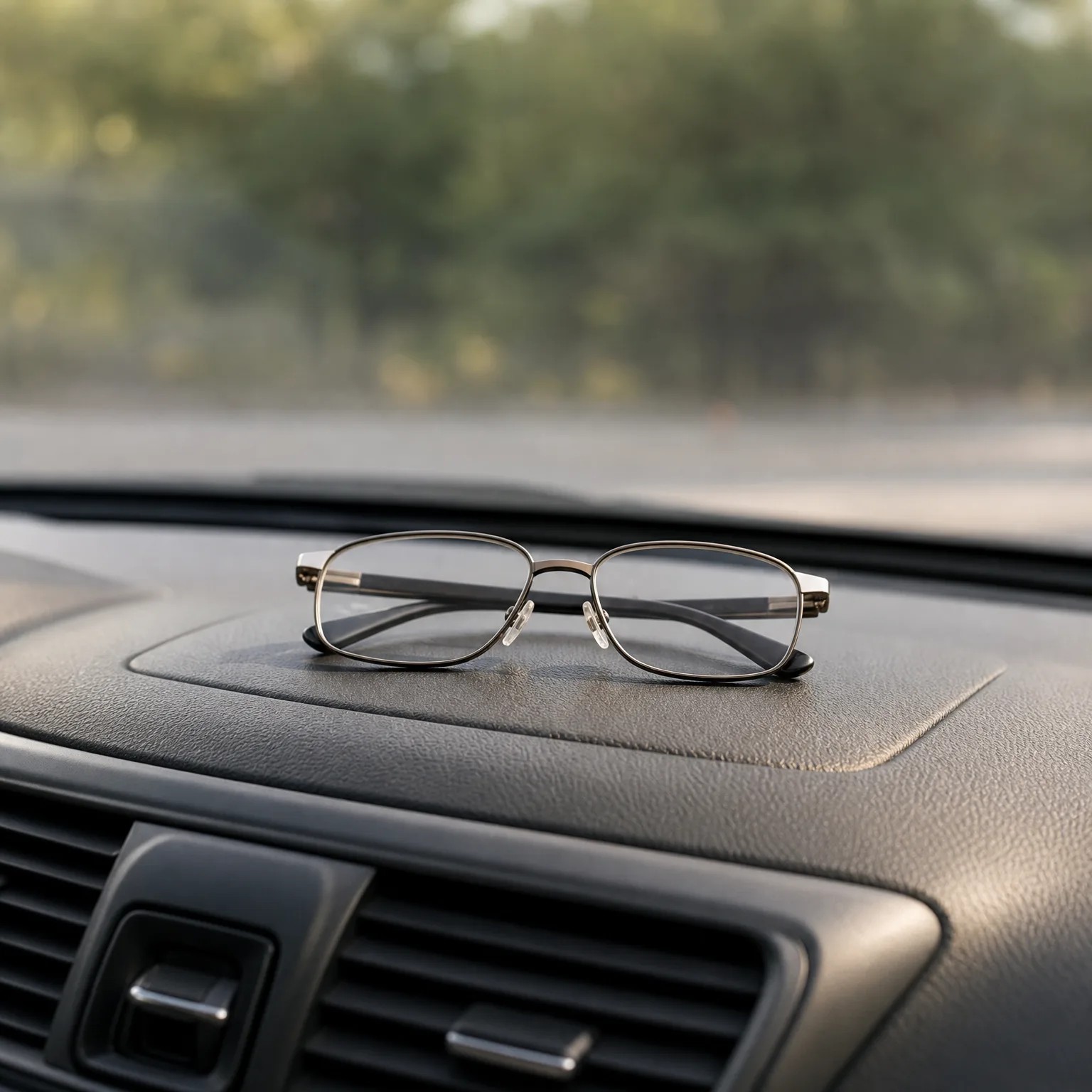
A second car that's just sitting in the driveway now
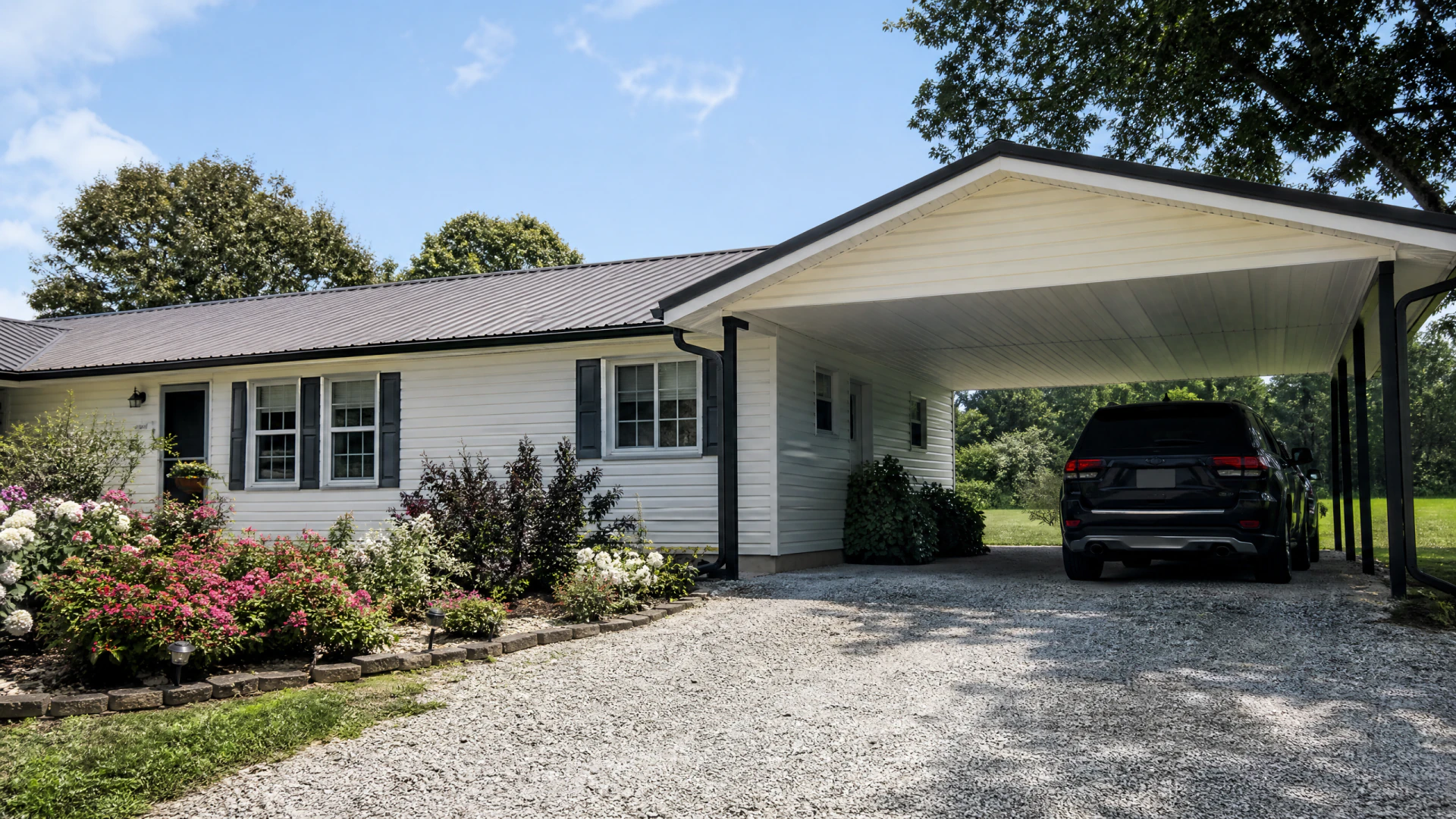
Say there's a car your spouse used to drive to work, paid off years ago, now parked most days because you only need one vehicle for errands. You're not sure if it's worth keeping insured the way it has been, or if that's money going toward a car that mostly sits still. You look up its value and find it's worth a modest amount, nowhere near what it would cost to insure it fully for another year.
You call to ask what dropping comprehensive and collision would actually save, and compare that to what you'd lose if it were stolen or damaged in a storm. Because the car has no loan on it and you could cover a replacement yourself if you had to, you decide to drop both and keep only the liability coverage, which is enough to let you drive it occasionally without taking on a risk you can't absorb. If your situation changes, if you start driving it daily again or its value changes, you know to revisit the decision rather than leave it set once and forget it.