Do You Have to Pay MedPay Back
No. MedPay is not a loan, so there's nothing to pay back out of a settlement or anywhere else.
MedPay pays out with no strings attached
MedPay exists to cover medical bills quickly, regardless of who caused the crash. Because of that, it doesn't come with a repayment condition. Once the claim is paid, the money is yours. You don't owe the insurer anything back for it, even if you later get a settlement from the other driver's insurance for the same injury.
This is different from how some other coverages work. Health insurance plans, for example, often have a right of reimbursement, meaning if you get a liability settlement later, they can ask for their money back out of that settlement. MedPay generally doesn't carry that right, which is part of why people like having it.
Where this can get confusing is when MedPay and a liability settlement overlap. You might receive MedPay for your bills, then later receive a separate settlement that also accounts for those same medical costs. That's not double-dipping in a way that triggers repayment. It just means two different coverages each did their job.
The one thing worth checking is your own policy language and your state's rules, since a small number of policies do include coordination clauses. Read the MedPay section of your policy, or call your insurer and ask directly whether any reimbursement clause applies. For most people, the answer stays simple. MedPay pays, and that's the end of it.

What to know before you assume you owe money
- No loan, no repayment MedPay is not an advance against a future settlement. It's a direct benefit, so there's no built-in obligation to return it.
- Check for a reimbursement clause A few policies include one. Read your declarations page or ask your insurer directly so you know for certain.
- Settlements don't cancel it out Getting money later from the at-fault driver's insurer doesn't undo your MedPay payout. The two are usually separate.
- Health insurance is different If your health plan paid some bills too, they might have a reimbursement right. That's a separate question from MedPay.
- Ask before you spend it If you're unsure, a quick call to your insurer settles it. Don't assume you need to set money aside just in case.

Once you know your MedPay payout is yours to keep, compare quotes with that confidence already in hand.

Do you need to set the money aside, just in case
If you do
You check your policy or call your insurer and confirm there's no reimbursement clause. You spend or use the MedPay payout on your medical bills as intended, without worrying about a future bill arriving. You move forward with one less thing to track during a time that already has enough paperwork in it.
If you don't
You assume you might owe it back later and hold onto funds you actually need now. Weeks later you're still unsure, still asking around, and still treating the money as borrowed when it was never meant that way. Confirming it directly takes a few minutes and removes the doubt for good.
A rear-end crash with bills from two directions
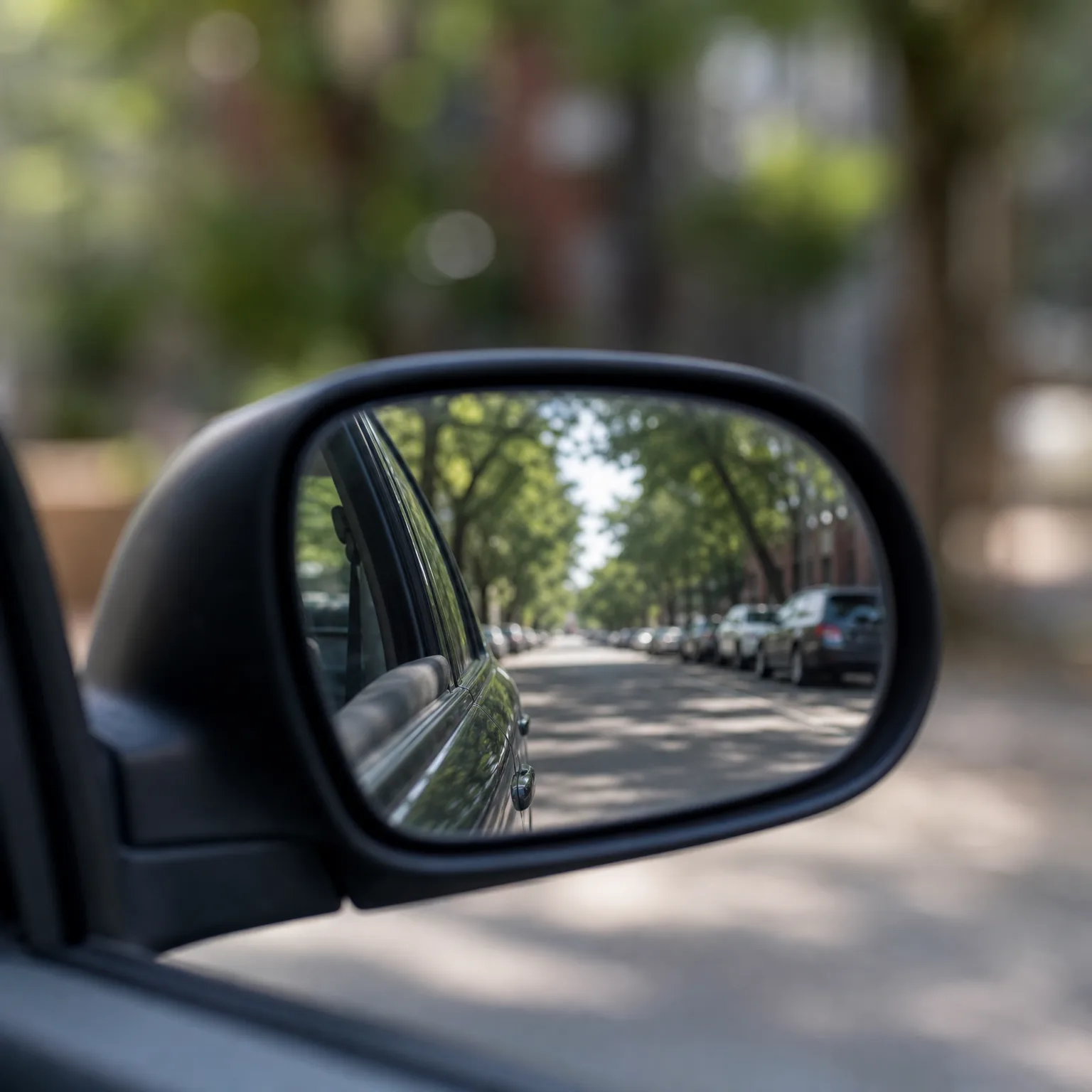
Someone is rear-ended at a stoplight and goes to urgent care the same day. Her auto policy has MedPay, so she files a claim and the insurer pays the bill directly within a couple weeks. Months later, she also settles a claim with the at-fault driver's insurance company, which includes compensation for that same medical visit among other things.
She wonders, reasonably, if she now has to hand the MedPay money back since the settlement already covered the injury. She calls her insurer to ask before assuming anything. They confirm her policy has no reimbursement clause, so the MedPay payout was hers from the start and the settlement doesn't change that. She closes out both claims with nothing owed back on either side, and the only paperwork left is filing the confirmation email away in case anyone ever asks.

Treat MedPay as paid in full the moment it lands, not as money you're holding for someone else.