
Does a Named Driver Need to Live at the Same Address
No, a named driver doesn't have to live at your address, but you do need to tell your insurer where they actually live.
Insurers care about where risk sits, not where mail goes
Car insurance is priced around who drives the car and where that car normally sleeps at night. Address matters because it tells the insurer about theft rates, accident rates and weather in that area. A named driver living somewhere else doesn't break the policy, it just means the insurer has two addresses to think about instead of one, yours for the car and theirs for their own risk profile.
This comes up a lot right now because your situation changed quickly. A car that used to be driven by both of you, or mainly by your spouse, may now sit mostly unused, or it may get picked up by an adult child, a sibling or a friend who lives elsewhere. None of that is unusual, and insurers have seen it many times. What matters to them is accuracy, not geography.
Where it gets more particular is how much that driver uses the car and whether the insurer considers them part of your household for coverage purposes. Some insurers treat any regular driver as needing to be listed regardless of address, while others care more about how often the car is driven at that second address. This is one of the places where rules genuinely differ by insurer and sometimes by state, so it's worth asking directly rather than assuming.
The other variable is whether the named driver keeps their own policy on a different car. If they do, insurers sometimes ask how the two policies relate, mainly to avoid both of you paying for overlapping coverage you don't need. None of this is a problem to solve alone. A quick call naming the actual situation gets you a straight answer.
Will listing a driver at a different address raise your premium?
It can, but not automatically, and not always in the direction you'd expect. If the second address has similar risk factors to yours, the change may be small or even unnoticeable. Insurers are really asking where the car lives most nights and how often this person is behind the wheel, not grading the two addresses against each other.
What moves the price more is the driving pattern itself. A driver who takes the car out occasionally affects things differently than one who uses it daily. If you're not sure how often that will be, give your insurer a realistic estimate rather than guessing low. An inaccurate answer causes more problems later than an honest one does now.

Whether you list the other driver's real address
If you do
You give the insurer accurate information, so if that person is ever in an accident, the claim goes smoothly. The insurer already knows the full picture, so there's nothing to question later. Your rate reflects reality, which may shift slightly but won't come with surprises.
If you don't
If the driver is listed under your address but actually lives elsewhere, a claim can trigger questions about accuracy. The insurer may investigate before paying out, which slows everything down at the worst possible time. It can also affect whether future claims are trusted without extra scrutiny.
Once you know how to list this driver correctly, compare quotes to see what the coverage actually costs.
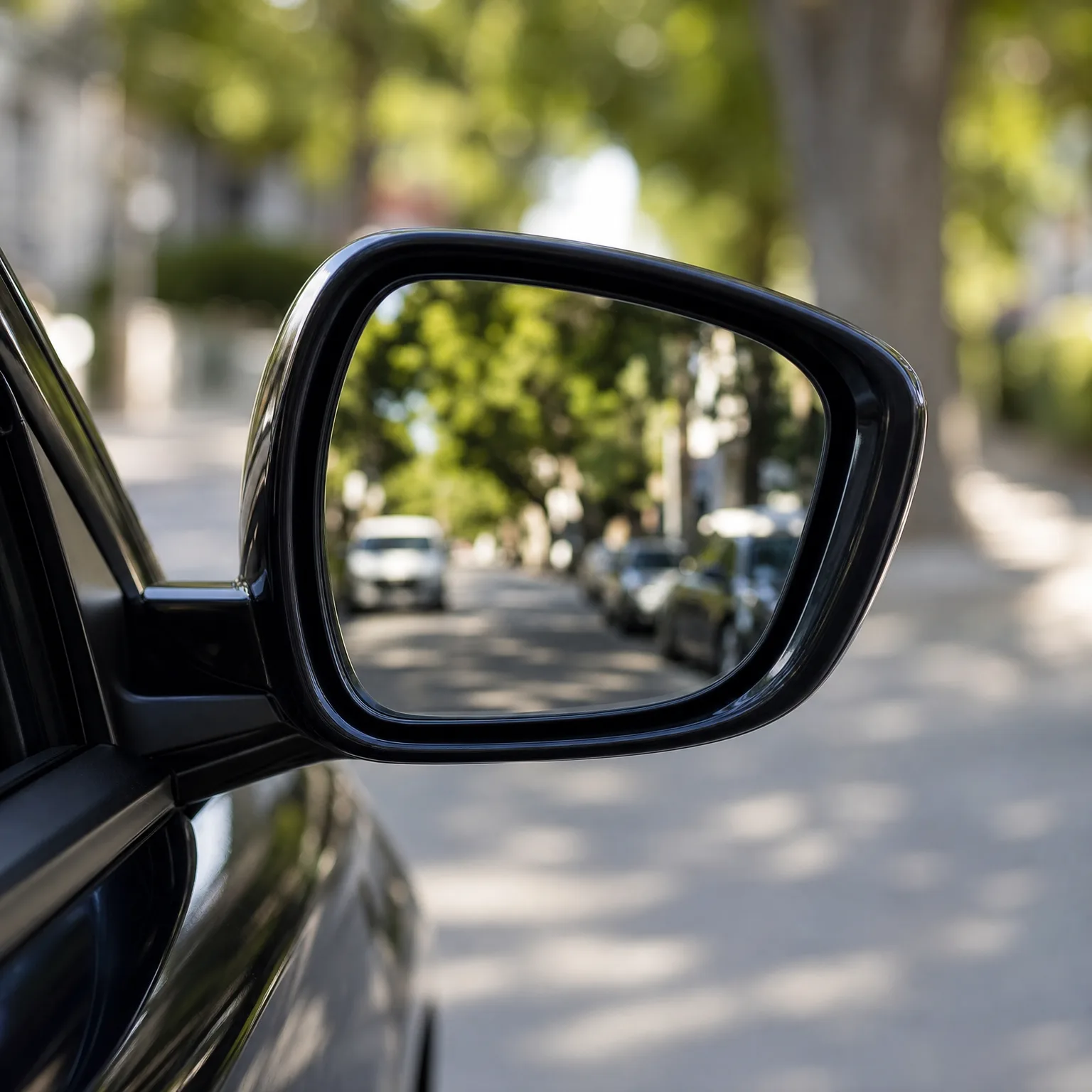
A car now driven by a grown child who lives elsewhere
Say your spouse's car sat unused for a few weeks after they passed, and now your adult daughter, who lives twenty minutes away, has started borrowing it a couple of times a week to get to work. You weren't sure whether she needed to be added, or whether her different address caused a problem. You called the insurer and explained exactly how often she drives it and where she lives.
The insurer added her as a named driver at her own address, noted the frequency of use, and adjusted the policy slightly to reflect that reality. Nothing dramatic changed. The car stayed registered and insured at your address since that's where it's kept and mostly stored, but the insurer now had an accurate record of who drives it and how often. A few months later when she needed to use it for a longer trip, there was no confusion and no delay in coverage, because the policy already matched what was actually happening.

Can I add a driver who lives in a different state?
Usually yes, but it depends on the insurer and sometimes on state rules about residency and licensing. Some insurers handle this easily since many families span more than one state. Others require the driver to have a policy of their own if they're permanently based elsewhere. Check with your insurer directly, since this is one of the areas where the rules genuinely vary and guessing wrong can cause a gap later.
Do I need to remove my spouse from the policy right away?
Not immediately, but you shouldn't leave it indefinitely either. Insurers generally want updated information once you're ready, especially if your spouse was the primary named driver or the only one listed on certain coverage. There's no fixed rule everyone follows, so take the time you need, then call your insurer when you're ready to update the policy to reflect who's actually driving now.
What happens to a car nobody drives anymore?
You can usually keep it insured at a reduced level rather than canceling entirely, which protects against theft, fire or damage while it sits unused. Dropping coverage entirely saves money but leaves the car exposed, and restarting a policy later sometimes costs more than keeping minimal coverage running. Ask your insurer what reduced options exist before deciding to cancel completely.