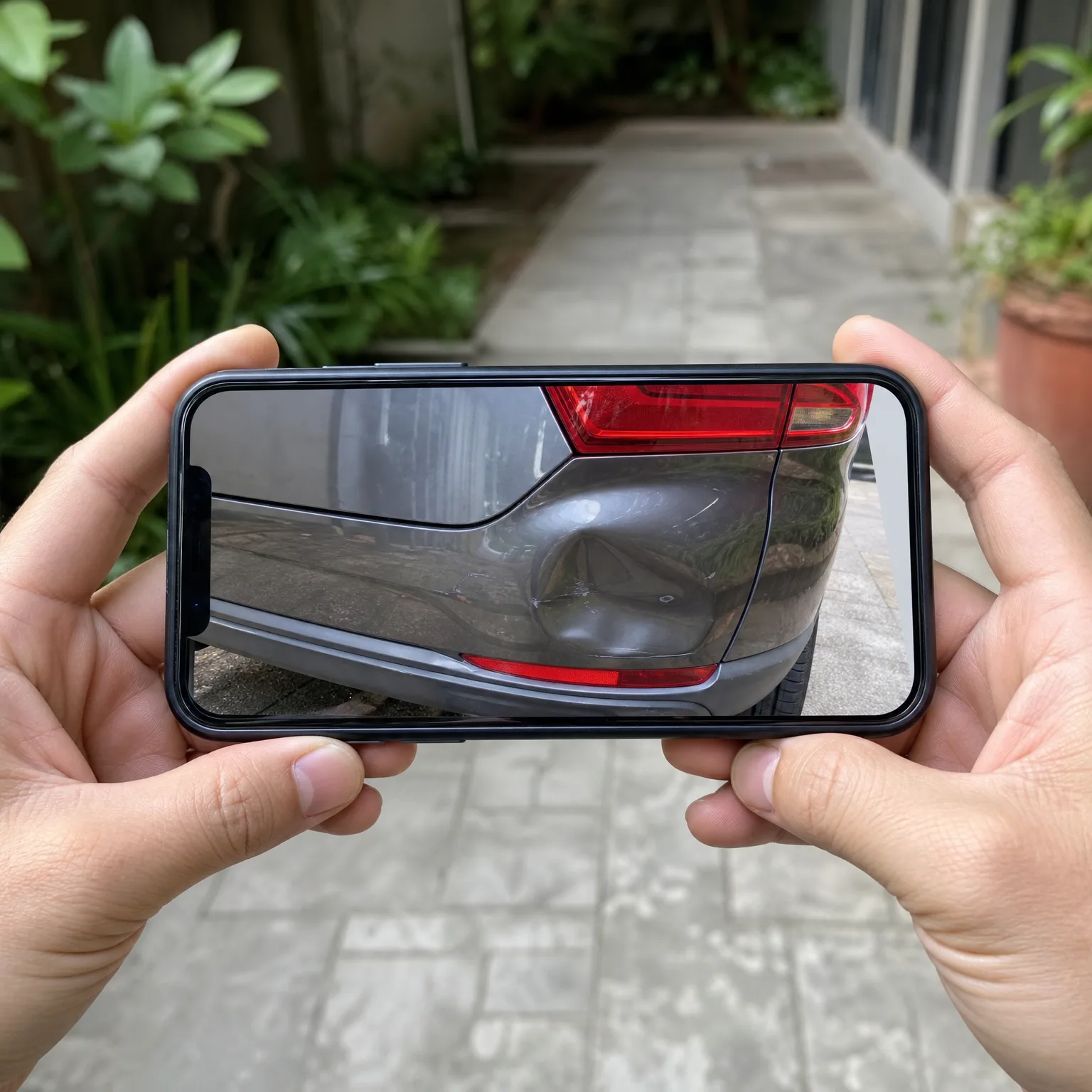
Does Car Insurance Ever Waive the Deductible
Sometimes, yes, but only in specific cases like when another driver is at fault or your policy includes a waiver.
When a deductible can actually be waived
- The other driver is at fault If another driver is fully responsible, their insurer may pay your repair costs with no deductible. Check whether you're filing through your policy or theirs before assuming you owe anything.
- Glass or windshield claims Some policies waive the deductible specifically for glass repair, especially if the policy was set up that way originally. Look at the declarations page or call to ask if this coverage exists on this policy.
- A waiver was added to the policy Some policies include an optional deductible waiver for certain situations, often tied to full coverage. This would already be listed on the policy, so check the documents before assuming it isn't there.
- Uninsured driver waivers Some insurers waive the deductible if you're hit by an uninsured driver and you've had no prior claims. This depends entirely on the insurer and isn't universal, so ask directly.
- Filing on a car no one drives If the car sits unused, you still owe the deductible on a covered claim unless one of these situations applies. Deciding whether to keep full coverage on it is a separate decision from the deductible question.
A parked car that got hit while sitting in the driveway
After her husband passed, Carol kept his truck parked in the driveway because she wasn't ready to deal with it yet. A delivery driver backing out of the street clipped the front bumper one afternoon. Nobody was in the truck, nobody was hurt, and Carol wasn't sure whether it was even worth filing a claim on a vehicle that mostly sat there.
She called the insurer and found out the delivery company's insurance was responsible since their driver caused the damage. Because the other driver was at fault, Carol filed the claim through the delivery company's policy instead of her own, and she didn't pay a deductible at all. The repair got done, and the experience also pushed her to finally decide what to do with the truck, since she realized she'd been paying for coverage on a vehicle that had sat untouched for months.

Checking whether your situation qualifies before you file
If you do
You call and ask specifically about fault, glass coverage, or any waiver already on your policy. You find out exactly what you owe before a repair starts, and you avoid being surprised by a bill you didn't expect, especially while you're already sorting out other paperwork.
If you don't
You assume the deductible applies and pay it automatically, even in a case where you didn't have to. You might also miss that the policy on an unused car needs a bigger decision than just this one claim, and keep paying for coverage that no longer makes sense.
Once you know what this claim actually costs you, compare quotes to see if the whole policy still fits your situation.

Why the deductible disappears in some cases and not others
A deductible exists to split the cost of a claim between you and the insurer, so the insurer isn't covering every small repair in full. When someone else is clearly at fault, the logic changes. You're not asking your own insurer to cover a loss you share responsibility for, you're asking another driver's insurer to pay for damage their driver caused, and that claim doesn't run through your deductible at all.
Glass coverage works differently because insurers treat small, frequent claims like windshield chips as a separate category. Waiving the deductible here costs the insurer less than losing you as a customer over repeated nuisance claims, so some policies build this in from the start. Whether yours does depends entirely on how the policy was written, not on anything universal to all car insurance.
Optional waivers and uninsured-driver waivers exist for similar reasons. Insurers compete on features, and a waiver is one way to make a policy more attractive without lowering the base price. These aren't standard, and they often come with conditions like a clean claims history, so you can't assume one applies just because you've heard of it existing somewhere.
For a car that isn't driven, none of this changes the deductible question directly. It does change whether paying for that level of coverage still makes sense, since the waiver only matters if a claim happens at all. That decision sits separately from the deductible, and it's worth making deliberately rather than by default.

The deductible isn't fixed. It depends on fault and policy details, so check before you pay.