Does Collision Insurance Cover Hitting a Deer
Hitting a deer is covered by comprehensive insurance, not collision, and the difference matters for your claim.
A deer on a dark road, and the claim that followed
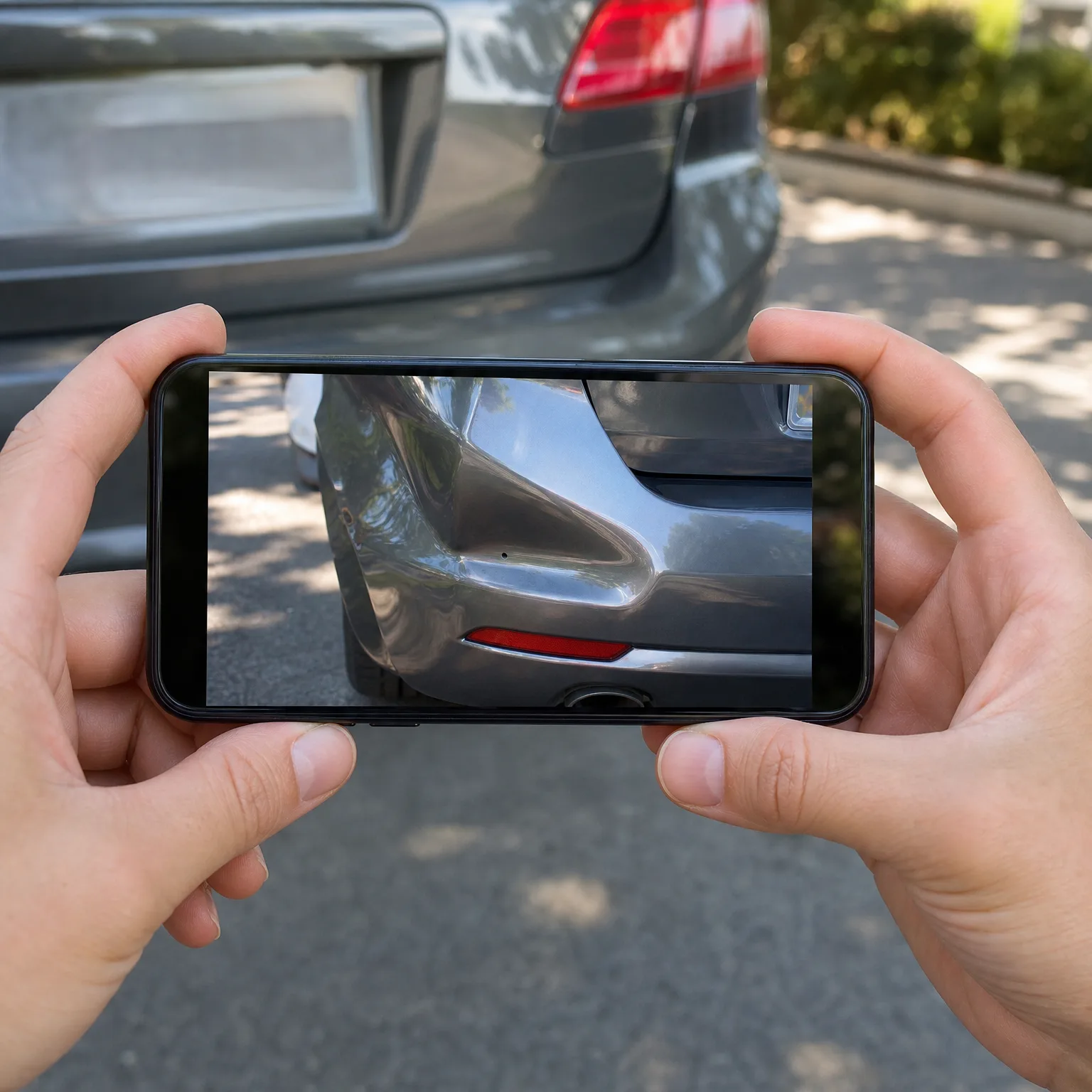
A reader hit a deer coming home at dusk, the kind of thing that happens fast and leaves a dented hood and a cracked headlight. They called their insurer unsure which coverage applied, half expecting to be told they needed collision because they'd technically collided with something. Instead the claims agent explained that animal strikes fall under comprehensive, as long as that coverage was on the policy. It was, because it had come bundled with collision when they financed the car years earlier, and they'd never dropped either one.
The agent asked a few questions about where and when it happened, confirmed there was no way to avoid the deer, and opened the claim. The repair was approved within days and the deductible that applied was the comprehensive deductible, not the collision one, which happened to be lower on their policy. They paid that amount, got the car fixed, and kept the collision claim history clean since this never touched that side of the policy. The whole episode took about two weeks from impact to repaired bumper, and the only real decision on their end was choosing a repair shop.
Will hitting a deer raise my insurance rate?
Comprehensive claims, including animal strikes, typically affect rates less than at-fault collision claims do, because the event wasn't something you could control or avoid through driving choices. Many insurers treat deer strikes more like weather damage or theft than like a crash you caused. That said, a claim is still a claim, and depending on your insurer and your state, filing one can still show up when your policy renews.
Whether it actually changes your premium depends on your specific insurer's rules, your claims history before this incident, and sometimes the state you live in. If you're deciding whether to file at all, especially for minor damage, it's worth asking your insurer directly how they treat comprehensive claims before you commit either way.
Once you know a deer strike falls under comprehensive, compare quotes to see how that coverage is priced on your policy.
Do you keep comprehensive coverage on the car
If you do
You stay protected against deer strikes, falling branches, theft and other non-crash damage, usually for a modest added cost. If you hit a deer, you file a comprehensive claim, pay that deductible, and get the car repaired without it counting as an at-fault collision.
If you don't
You save the cost of that coverage, but you pay out of pocket for any deer strike, vandalism or weather damage entirely yourself. For an older car worth little, this can make sense. For a car you rely on daily, one bad encounter with a deer could cost more than years of coverage.
Why a deer counts as comprehensive, not collision
Collision coverage is built around crashes you have some ability to avoid or cause, like hitting another car or a stationary object through driving. Comprehensive coverage is built around things that happen to your car rather than things your driving causes, like theft, fire, falling objects and encounters with animals. A deer stepping into the road is treated as an outside event, not a driving failure, so it falls on the comprehensive side of that line even though your car did technically collide with something.
This distinction exists because insurers price risk differently depending on whether you could reasonably have prevented the loss. Swerving to avoid a deer and hitting a tree instead sometimes gets classified differently than hitting the deer directly, because now your steering decision caused the damage. That's a real gray area, and how it gets classified can depend on the specific details of the crash and how your insurer evaluates them.
Comprehensive coverage is also optional, the same way collision is, and it only applies if you've chosen to carry it and paid to add it to your policy. Someone who carries only liability coverage, which is often required by law, has no comprehensive or collision protection at all, and would pay for deer damage entirely out of pocket. This is why checking what coverages are actually on the policy matters more than assuming the car is protected.
Deductibles also vary between the two coverages, and some policies set them differently for comprehensive than for collision. The deductible that applies to a deer claim is whatever your comprehensive deductible is, not your collision deductible, so it's worth knowing both numbers rather than assuming they match.

The coverage that protects you from a deer isn't the one most people assume, so check what you actually have.