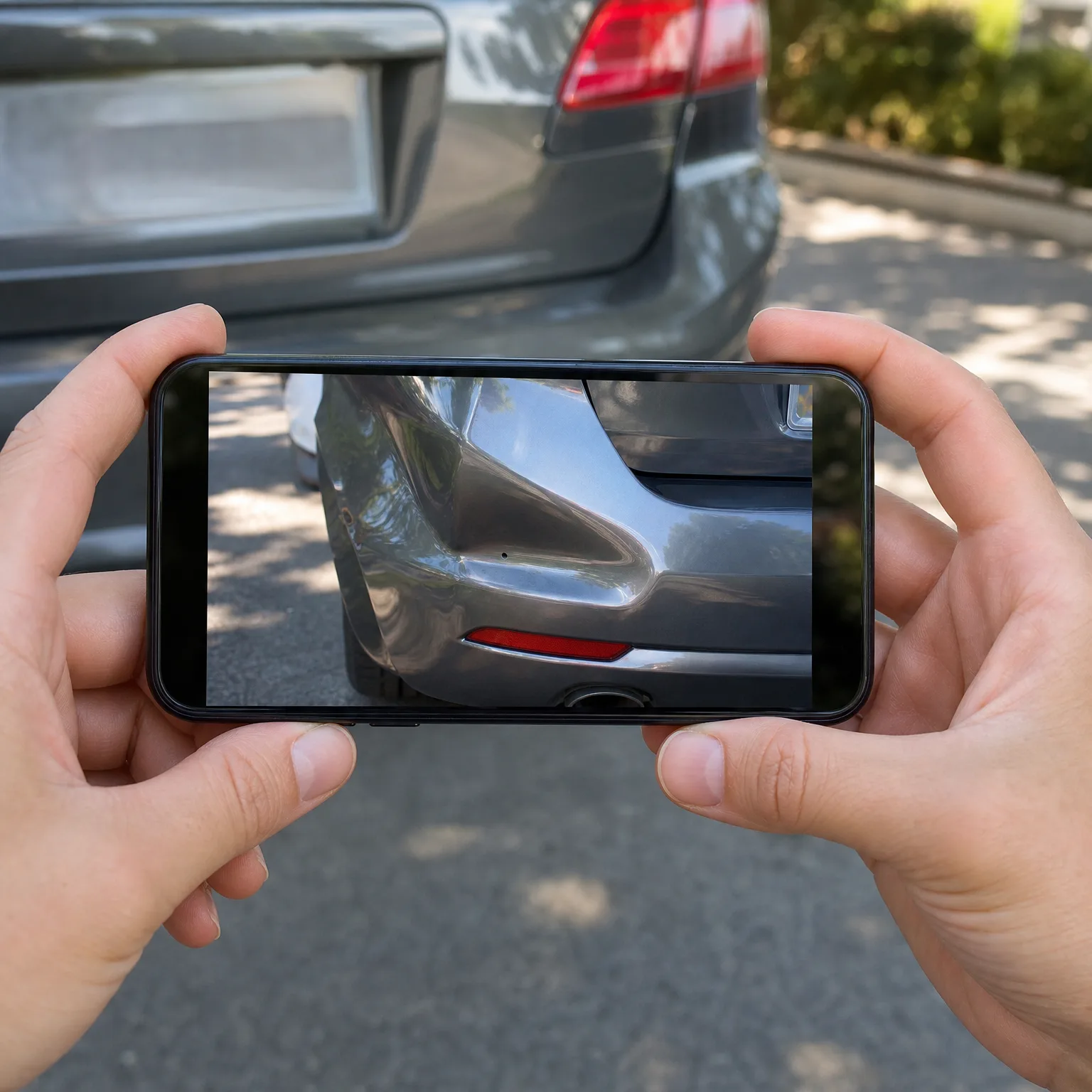
Does My Insurance Cover Someone Who Borrows My Car
In most cases your insurance follows the car, so someone you lend it to is usually covered under your policy, not their own.
Your policy is attached to the car, not just to you
Car insurance is built around the vehicle. The policy you bought insures that specific car against damage and liability, and that protection generally travels with the car no matter who is behind the wheel. This is why letting a friend or family member borrow your car for an afternoon usually doesn't require any extra paperwork or a call to your insurer.
There's an assumption built into this, though, which is that the person driving has permission and isn't someone who drives your car constantly. Occasional use by someone you trust is what this coverage is meant for. If someone ends up driving your car regularly, many insurers expect you to add them to the policy, because at that point they're acting like a household driver rather than a onetime borrower.
The driver's own insurance can also come into play. If the person borrowing your car causes an accident, your policy typically pays first since it's attached to the car. Their own policy may act as a backup if the damages go beyond what your coverage pays, depending on how their policy is written.
Where this gets complicated is with the specifics. Some states and some insurers draw the line differently on what counts as permissive use, and some policies exclude certain drivers by name if you've listed exclusions before. If you're not sure where you stand, the one thing worth doing is calling your insurer and asking directly, especially if the car in question hasn't been driven much and you're reconsidering who uses it.

When a car sits unused and a family member wants to borrow it
Say there's a second car in the household that your spouse used to drive, and now it mostly sits in the driveway. A sibling or adult child offers to borrow it for a few weeks while their own car is in the shop. Before handing over the keys, you call the insurer to ask whether the policy still covers the car properly, since it hasn't been driven much lately, and whether a temporary borrower changes anything.
The insurer confirms the coverage is still active as long as the policy hasn't lapsed, and that the borrower is covered under the car's policy for this kind of short-term, occasional use. No one needs to be added to the policy for a few weeks of borrowing. What does come up is the question of whether to keep insuring a car nobody drives regularly going forward, and that becomes the real decision, separate from the borrowing question that started the call.
What happens if the person I lend my car to gets into an accident?
Your policy generally pays first, since the coverage is tied to the car. Your liability coverage would respond to injuries or damage the driver causes to others, and your collision coverage, if you carry it, would help with damage to your own car. The driver's insurance usually isn't involved unless the costs exceed what your policy covers.
This also means an accident involving a borrowed car can affect your record and your future rates, not the borrower's, since the claim is filed against your policy. That's worth knowing before you lend your car out regularly, even to someone you trust completely. If this is a person who'll be driving your car often rather than once or twice, it's worth asking your insurer whether adding them changes anything about how a claim would be handled.
Once you know how your coverage follows the car, compare quotes to make sure it still fits how the car gets used.

Should you add the borrower to your policy
If you do
Adding them means they're covered the same way you are, with no questions about how often they drive the car. If they end up using it regularly, this keeps things simple and avoids any dispute later about whether the use still counted as occasional borrowing.
If you don't
Not adding them is fine for occasional, short-term use by someone with permission. But if borrowing turns into a regular arrangement, your insurer may later question the claim or ask why a frequent driver was never listed, which can complicate things at the worst possible time.
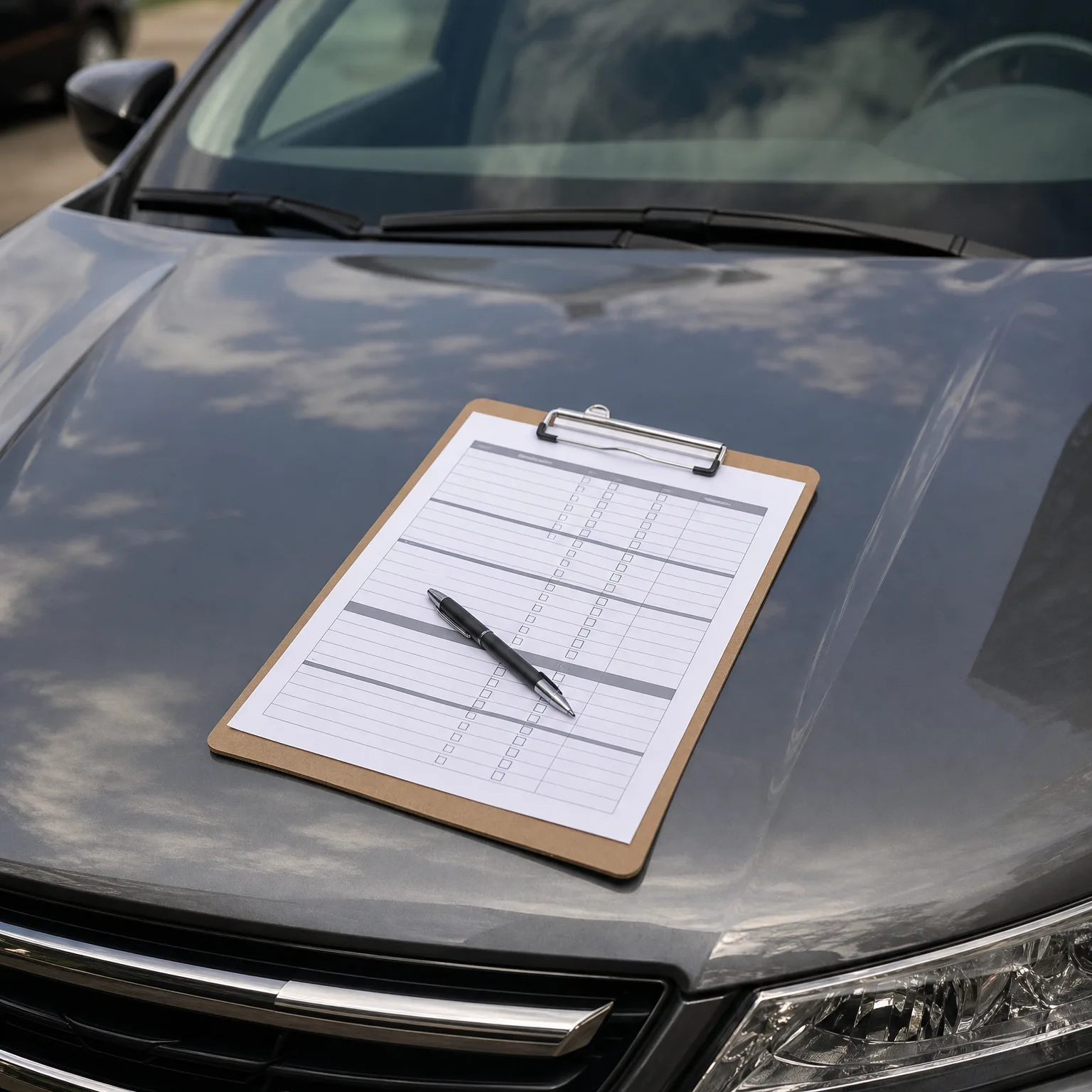
What to check before you let someone borrow your car
- Confirm the policy is active If the car hasn't been driven much, double check the policy hasn't lapsed or changed. A lapsed policy means no coverage for anyone, including you.
- Ask about occasional use Most policies cover someone borrowing your car once in a while without any changes. Confirm this directly with your insurer if you're unsure.
- Know what frequency changes Occasional borrowing and regular driving are treated differently. If someone will be driving the car often, ask whether they should be added.
- Check for named exclusions If you've ever excluded a specific driver from your policy, that exclusion still applies. Make sure the person borrowing the car isn't on that list.
- Decide if it's worth keeping If a second car is rarely driven, borrowing it might be the moment to decide whether to keep full coverage, reduce it, or let it go.