Does Property Damage Liability Cover Someone Elses Car
Yes, property damage liability covers the other person's car when you're at fault, up to your coverage limit.

What property damage liability actually pays for
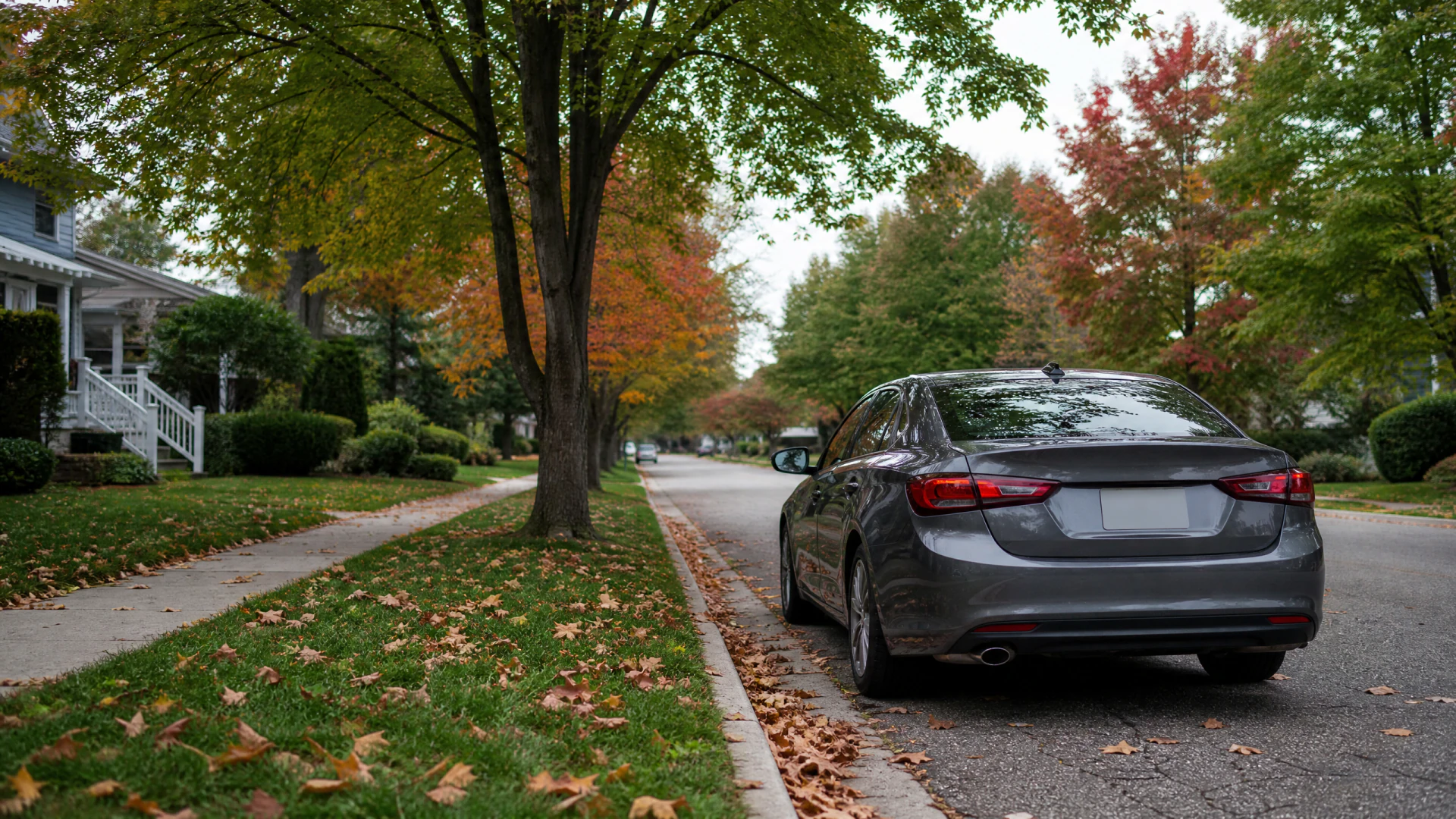
- The other car, not yours This coverage pays to repair or replace the other driver's car when you caused the accident. Your own car needs separate collision coverage, since liability never pays for your vehicle.
- A limit, not full replacement Your policy has a maximum it will pay per accident, chosen when the policy was set up. If repairs cost more than that limit, you're responsible for the difference, so check what your limit actually is.
- Covers property beyond cars Property damage liability isn't just for cars. It also covers things like fences, garages or storefronts if you damage them while driving.
- Only when you're at fault If the other driver caused the crash, their liability coverage pays for your car instead. Fault determines whose policy responds.
- No coverage if intentional If damage was deliberate rather than accidental, liability coverage typically won't apply. Check your policy wording, since this can vary by insurer.
What if the damage costs more than my liability limit?
If repair or replacement costs exceed your property damage liability limit, you are personally responsible for the rest. The other driver can pursue you directly for the remaining amount, sometimes through small claims court or a lawsuit, depending on how much is left owed.
This is the main reason people choose higher limits than the minimum required where they live. A low limit might satisfy the legal requirement but leave you exposed if you total an expensive vehicle. Think about what cars are common where you drive and whether your limit realistically covers one of them.
Some policies pair property damage liability with an umbrella policy for extra protection above the base limit. If you're underinsured for this risk, raising your limit is usually inexpensive compared to the exposure it removes. Check with your insurer about what raising the limit would cost before you decide it's not worth it.
Now that you know what this coverage protects, compare quotes to find a limit that fits the cars on your road.
Deciding whether your liability limit is high enough
If you do
If you raise your property damage liability limit, you're protected if you damage an expensive vehicle or property. The added cost is usually small. You stop worrying about owing money out of pocket after an accident that wasn't even about your own car.
If you don't
If you keep a low or minimum limit, you're exposed if you cause serious damage. The other driver can come after you personally for whatever your policy doesn't cover. That risk sits quietly until the day you actually need the coverage.
Why liability coverage works this way
Property damage liability exists to cover the cost you create for someone else, not the cost you create for yourself. That's why it never touches your own car. Your policy treats damage to your vehicle as a separate problem, handled through collision or comprehensive coverage if you carry it, because the logic of liability is about responsibility to others, not protection of your own property.
The limit you choose matters because insurers can't promise unlimited payouts. When you set up a policy, you picked a maximum the insurer will pay per accident for property damage. That number was likely shaped by what's required where you live, but the legal minimum and a genuinely adequate limit are often different things. A minimum limit might have been enough decades ago and no longer reflects what cars actually cost to repair today.
Fault is what triggers the coverage. If you're found at fault, your liability coverage responds. If the other driver is at fault, their policy is what pays for your car, which is why your own liability limit doesn't protect you when someone else causes the crash. This split keeps each driver's policy focused on the damage they personally caused.
There are cases where it plays out differently. Some states have specific rules about shared fault that change how payouts are split between two policies. Some policies have separate sub-limits for things like detached property or for rental vehicles, which don't follow the same rule as a car on the road. Check your specific policy and your state's rules if your situation involves anything beyond a straightforward two-car accident.
A liability limit that fit car prices years ago may not cover a car you hit today, so check it now.