Does the At-Fault Driver Pay for Medical Bills
The at-fault driver's insurance is usually responsible, but the money often doesn't reach you that directly or that fast.
The responsibility is clear, the payment path isn't
Fault decides who should ultimately pay. If the other driver caused the crash, their liability coverage is meant to cover the harm they caused, including your medical bills. That part is consistent everywhere and it's not really in question in a situation like yours.
What varies is how and when that money actually shows up. Liability claims typically don't pay anything until fault is settled, and that can take weeks or months while bills arrive now. In the meantime, your own coverage, like medical payments coverage or your health insurance, often pays first, and your insurer may later recover that money from the at-fault insurer on your behalf.
Some states handle this differently by design. In a few, your own insurer pays your medical bills regardless of fault, at least up to a point, because that's simply how the system there is built. Check what your state and your policy actually say, since the word 'fault' means something different depending on which system applies to you.
There are also cases where the at-fault driver has little or no insurance, or the crash involves more than one driver sharing blame. In those situations the clean story of 'they caused it, they pay' gets more complicated, and your own coverage becomes the thing that actually protects you.
The short version
The at-fault driver's insurer is ultimately responsible for your medical bills, but it rarely pays quickly. Your own coverage often pays first and gets reimbursed later. Check whether your state works differently, then compare quotes knowing what your own policy should cover in the meantime.
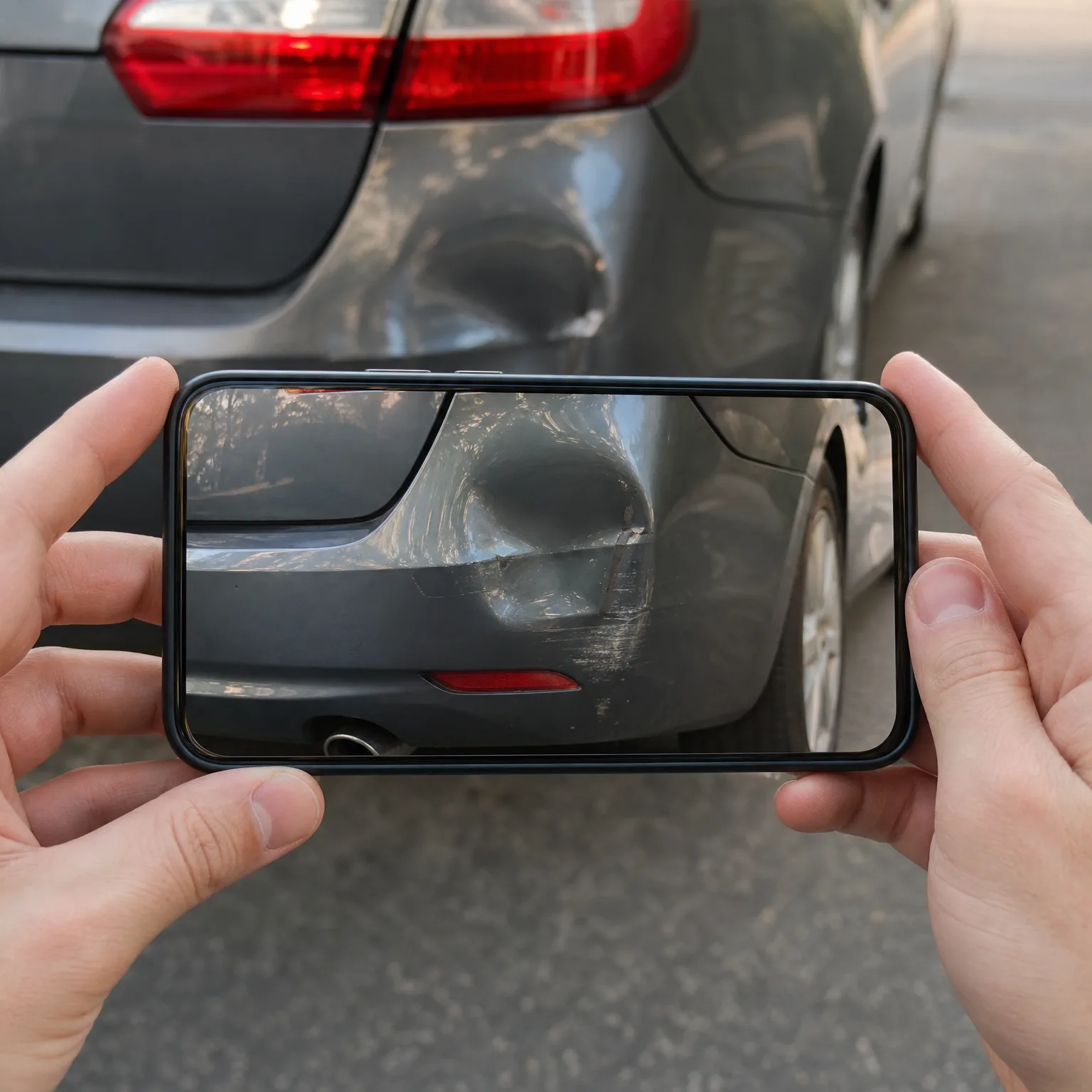
What to settle before you compare anything
- Check your state's system Some states pay your medical bills through your own insurer no matter who caused the crash. Look up how your state handles this before assuming the other driver's insurer will pay first.
- Know what pays you first Medical payments coverage or health insurance often pays your bills immediately, before fault is decided. Confirm what you currently have so you're not caught waiting.
- Don't skip the recovery step If your insurer pays first, they can often recover that money from the at-fault driver's insurer later. Ask how that process works so you understand what you'll owe or get back.
- Watch for shared fault If both drivers share blame, the payout can shrink or split. Find out how your state treats shared fault before you count on full reimbursement.
- Consider the uninsured gap If the at-fault driver has little or no insurance, their policy may not cover much at all. Make sure your own coverage can stand in for that gap.
Once you know what your own policy should cover while a claim plays out, compare quotes to close any gap.

What if the at-fault driver doesn't have enough insurance to cover my bills?
Then their policy simply can't pay what it doesn't have, and the shortfall becomes your problem unless your own coverage fills it. This happens more often than people expect, since minimum coverage levels in many states are modest compared to real medical costs.
This is where your own policy matters as much as theirs. Coverage built for this situation, sometimes called uninsured or underinsured motorist coverage, is what pays the difference when the other driver's insurer runs out. Without it, you're left pursuing the person directly, which is slow and often doesn't recover much.
Check whether you have this kind of coverage and how much. If you're comparing policies now, this is one of the details worth getting right, since it's protecting you from someone else's choices, not your own.
Fault decides who should pay eventually. Your own coverage decides who pays while you wait.