Does Using MedPay Increase Your Premium
Using MedPay rarely raises your premium by itself, because it pays out regardless of who caused the crash.
What actually determines whether your rate moves
- Fault matters more than MedPay Insurers raise rates mainly when you're found at fault for an accident. A MedPay claim tied to a no-fault payout usually doesn't carry the same weight on its own.
- Claim frequency adds up One MedPay claim is unlikely to trigger an increase, but a pattern of claims across any coverage can. Think about your overall claims history, not just this one payout.
- State rules on surcharging vary Some states limit how insurers can use medical payments claims when setting rates. Check your state's rules or ask your insurer directly before assuming the worst.
- Insurer practices differ too Not every company treats MedPay claims the same way internally. Ask your specific insurer how they factor in medical payments claims at renewal.
- Amount paid can play a role A small MedPay claim for minor treatment is treated differently than a large one tied to a serious accident. Size and context both factor into any renewal decision.

A fender bender where MedPay covered a hospital visit
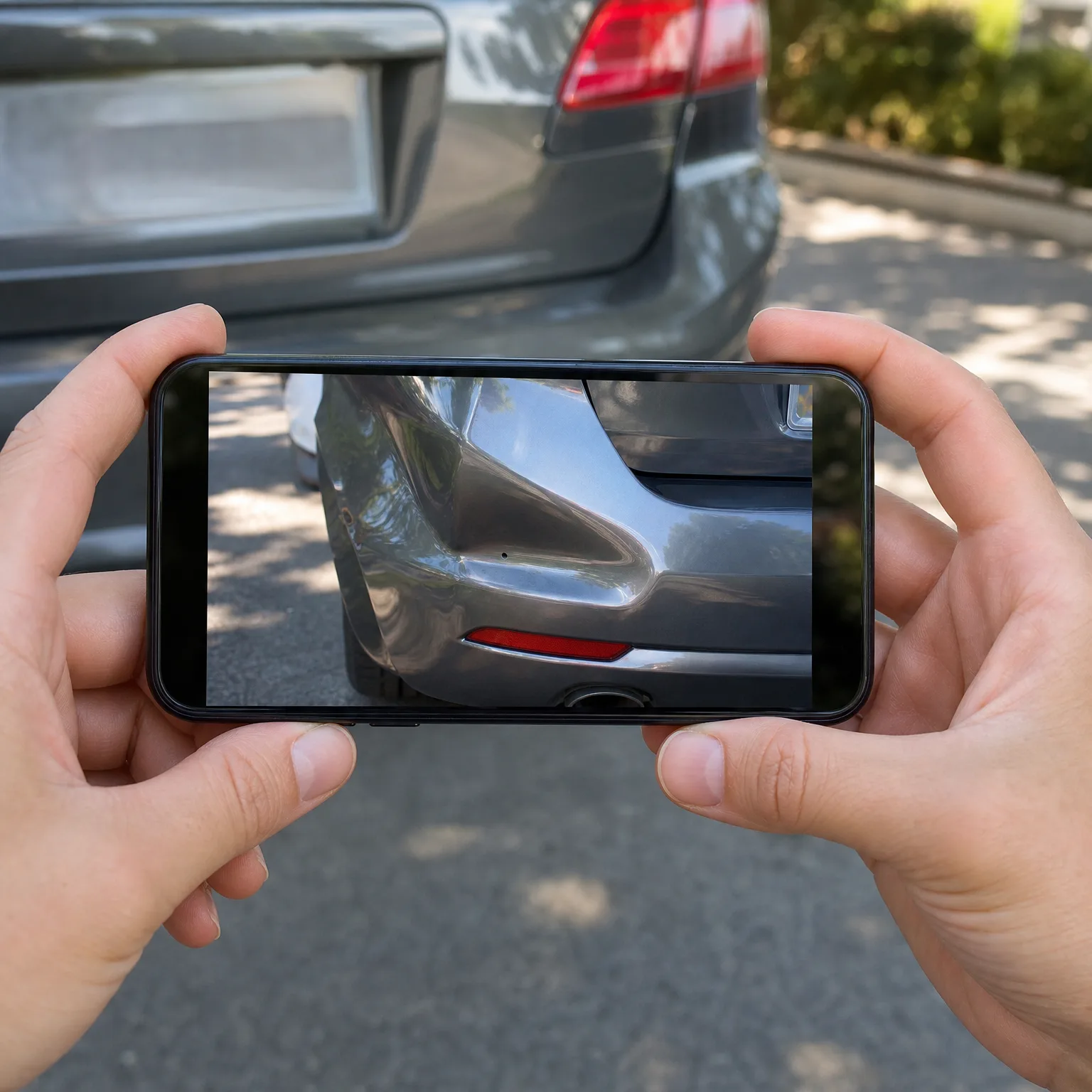
You were stopped at a light when another driver rear ended you. The crash wasn't your fault, but you still had neck pain and went to urgent care that evening. Your policy had MedPay, so you filed a claim and it covered the visit without you needing to wait on the other driver's insurer to sort out fault first.
At renewal, your rate stayed about the same. Your insurer looked at the accident itself, saw the other driver was at fault, and didn't treat the MedPay payout as a reason to raise your premium. The claim showed up in your history, but because you weren't at fault and the amount was modest, it didn't change what you paid. If you'd had several small claims in recent years, or if the accident had been your fault, the outcome might have looked different.

Should you file the MedPay claim or pay out of pocket
If you do
You get medical bills covered quickly without proving fault or waiting on another insurer. The claim becomes part of your history, but on its own it's unlikely to raise your premium, especially if the accident wasn't your fault.
If you don't
You avoid adding anything to your claims history, but you pay medical costs yourself upfront. You may wait on the at-fault driver's insurer to reimburse you, which can take time and isn't guaranteed if fault is disputed.
Once you know a MedPay claim likely won't move your rate, compare quotes to see what you'd pay now.

Does MedPay cover passengers in my car too?
Yes, MedPay typically covers passengers riding in your car at the time of the accident, not just you. It can also cover you as a pedestrian or on a bike if hit by a vehicle. Check your specific policy, since who counts as a covered passenger and whether household members are treated differently can vary by insurer. If you regularly drive others, confirm this detail before you need it.
Can I use MedPay and health insurance together?
Yes, MedPay and health insurance can work together, with MedPay often paying first for accident-related bills. This can cover deductibles or copays your health plan leaves you owing. Some policies coordinate differently, so check how your insurer handles overlap. Using both isn't double-dipping, it just determines who pays which portion of the same bills.
Is MedPay worth keeping if I rarely drive?
It depends on how much risk you're comfortable carrying yourself. MedPay is relatively inexpensive and pays regardless of fault, which matters even for occasional drivers since accidents can happen on short trips too. If you have strong health insurance with low out-of-pocket costs, you might decide the extra coverage isn't necessary. Weigh the cost of keeping it against what you'd pay out of pocket without it.

Fault in the accident matters far more to your premium than the simple fact that you used MedPay.