Grace Period After Car Insurance Expires
Most insurers don't guarantee a grace period after a policy expires, so treat the expiration date as the real deadline.
A grace period is a courtesy, not a rule you can count on
Car insurance isn't like a subscription that quietly keeps running for a few days after it's due. Once a policy's expiration date passes, coverage can simply end. Some insurers choose to extend a short window of leniency if a payment is late, but that's a decision each company makes on its own, and it depends on your state's rules and the terms written into your specific policy. Nothing about it is universal.
This matters a lot more right now because of the position you're in. If the policy was in your spouse's name, you may not know whether it even has a grace period, who the insurer is set up to bill, or whether a payment was missed while everything else was being sorted out. A policy can lapse quietly, without anyone meaning for that to happen.
The cases where it works out differently usually involve autopay or a long-standing account in good standing, where an insurer is more willing to bend. But if the car hasn't been driven, if a bill went to an address that isn't checked as often now, or if the account was already flagged for a change of ownership, that leniency often disappears. Insurers don't have to extend it, and many won't if there's any uncertainty about who's responsible for the policy.
The only way to know where you stand is to call the insurer directly and ask them plainly whether the policy is active, and if not, what your options are. Don't assume the coverage is still there because the car is sitting in the driveway unused.
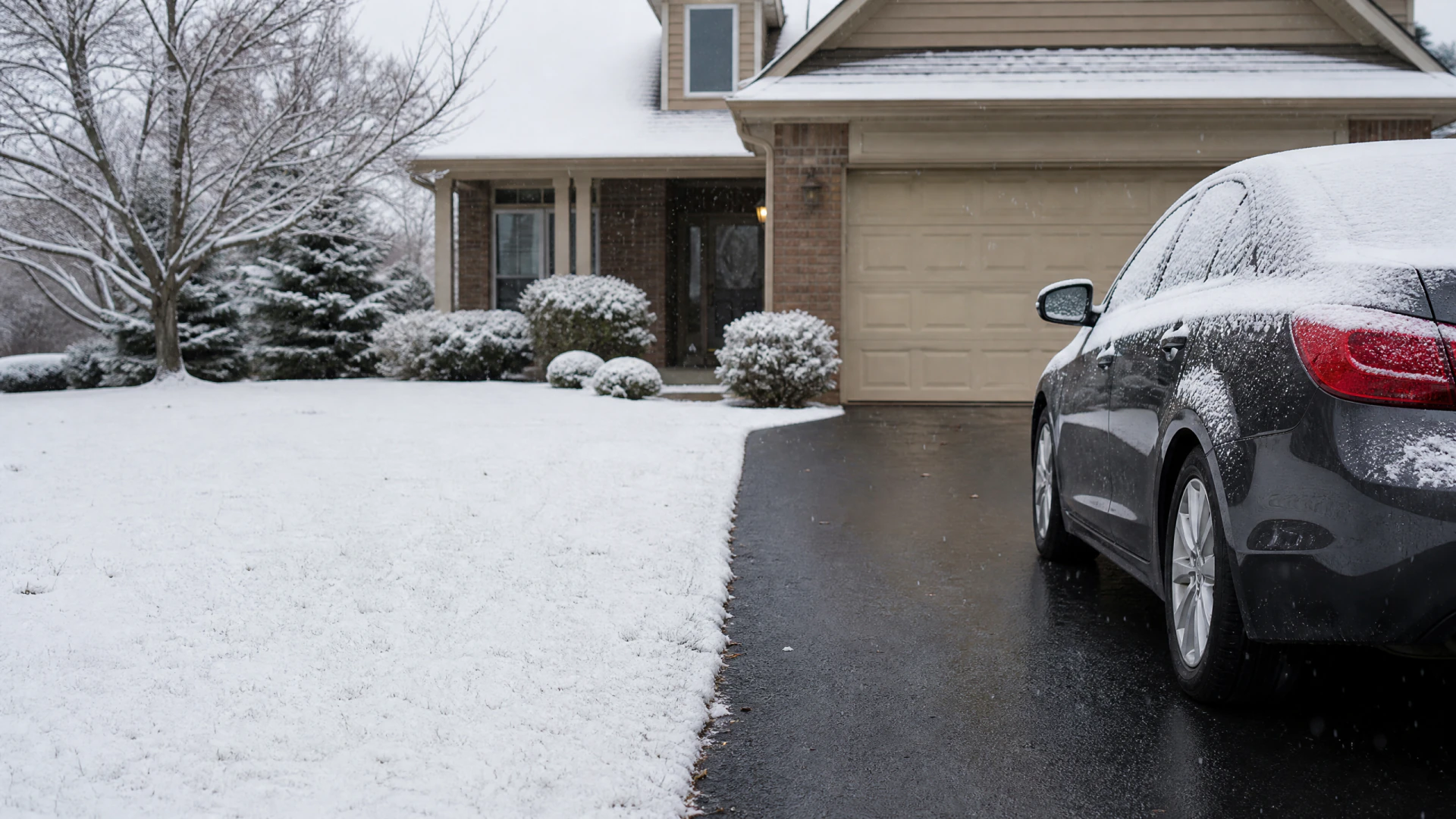
A second car that wasn't being driven anymore
One reader found a renewal notice for a second car that hadn't been driven since her husband passed. The policy listed both vehicles together, and she didn't know if the payment had gone through or if the account was still active. She called the insurer, gave them the policy number, and asked directly whether coverage was current.
It turned out the policy had lapsed a few weeks earlier because the automatic payment was tied to an account that had been closed. The insurer offered to reinstate it, but she decided instead to remove the second car from the policy altogether, since no one was driving it and she didn't want to manage a vehicle she planned to sell. She kept coverage active on the car she used, confirmed the second car was properly stored and off the road, and then began shopping for a new policy that reflected her situation instead of her spouse's.
A lapsed policy doesn't come back on its own, and assuming it will is the mistake that costs the most.
Once you know what's active and what you actually need, compare quotes built around your situation, not your spouse's.
What to check before you assume you're covered
- Call and confirm status Don't guess based on the due date. Call the insurer and ask directly whether the policy is active right now.
- Check who's billed If payment was tied to your spouse's account, it may have failed silently. Ask the insurer how payment is currently being handled.
- Ask about reinstatement If the policy lapsed, ask whether it can be reinstated without a new application. Some insurers allow this only within a short window.
- Decide on the unused car A car that isn't driven may not need full coverage. Ask about storage or reduced coverage if you're not ready to sell it.
- Update the policy name Insurers need to know who's responsible for the account now. This affects billing, renewal notices and whether leniency applies to you.

What happens if the policy lapses and you drive anyway?
If you drive a car that isn't currently insured, you're financially responsible for anything that happens, and in most places it's also against the law to drive uninsured at all. There's no grace period that protects you on the road just because one existed for billing purposes. The two are separate.
This is especially worth checking if a car has been sitting unused and you're thinking about driving it again, even briefly. Call the insurer first and confirm the policy is active before you turn the key. If it isn't, ask what it takes to reinstate coverage immediately, and don't rely on how things looked the last time someone else was managing it.