
How Can I Find the Name of My Insurance Company
You can find it through paperwork you already have, your bank statements, or a direct call to the state insurance department.
The name is recorded in several places at once, not just one
A car insurance policy isn't a secret between your spouse and one company. It leaves a trail in several ordinary places, because premiums get paid, cards get issued, and paperwork gets mailed every renewal. That's why you usually don't need to track down the actual insurer first. You need to track down any one of the records it left behind.
The most direct trail is money. If your spouse paid the premium from a shared or joint account, the statement will show a recurring charge with the company's name or a recognizable abbreviation. If payments came from an account only they controlled, this may take longer, which is one reason to check paper and email too.
The second trail is paper. Insurance cards live in glove compartments, wallets, and junk drawers. Renewal notices and declarations pages arrive by mail on a regular cycle and often get filed with other household papers, even informally. Email works the same way. Many insurers send renewal notices, payment confirmations, or policy documents electronically, and these often sit untouched in an inbox for years.
If none of that turns up anything, every state has an insurance department that can help confirm coverage on a vehicle, especially if you're the one now responsible for it. This varies by state in exactly what they'll release and how, so it's worth checking what your state requires before you call. In some cases your state's motor vehicle agency can also point you toward the insurer on file for a registered car.

When the policy covered two cars and only one still has a driver
A woman lost her husband after years of him handling every bill in the house, insurance included. She knew they had coverage on both cars, hers and his, but she had never once logged into an account or opened a renewal notice. When she went looking, she started with their joint checking account, since that's where the mortgage and utilities came out of too. She found a recurring insurance charge with a company name she recognized from a commercial, which confirmed at least one thing.
That got her the company, but not the details of the policy itself. She called the number on that company's website, explained the situation, and was able to get a copy of the current policy by confirming her identity and her status as the surviving spouse on the account. From there she could see both cars were listed together, with her husband as the primary driver on his. She used that conversation to also ask how to remove his name and decide what to do about the car sitting unused in the garage, which turned into the next decision she had to make, separate from simply finding the policy in the first place.
What if I can't find any record of insurance at all?
This happens more often than people expect, especially if your spouse managed everything digitally through an app or paperless billing. Start with your state's insurance department or motor vehicle agency, since insurers are generally required to report active coverage tied to a registered vehicle. Ask specifically about confirming coverage on a car registered to your spouse, rather than asking them to name the company outright, since that's often the information they're set up to confirm.
If the car is financed or leased, the lender is another path, because lienholders require proof of insurance and usually have the company's name on file. A mechanic or dealership that serviced the car regularly may also have billed insurance directly at some point, which leaves a record on their end too.
Once you know who the policy is with, you can compare quotes to see whether staying put still makes sense.

Whether you call the insurance company before you've found paperwork
If you do
You can often confirm a policy exists and get basic details by phone once you verify your identity and relationship to the policyholder. This can save days of searching through drawers and old email, and many companies have a specific process for handling a policyholder's death.
If you don't
You'll likely spend more time searching bank statements, mail, and email before you have a company to call at all. Nothing is lost by waiting, but you may end up paying for coverage longer than necessary or missing a renewal deadline you didn't know was coming.
Where to look before you assume it's lost
- Bank and card statements Recurring insurance charges on a statement often show the company's name directly. Check both joint and individual accounts if you have access to both.
- Email and paper mail Renewal notices, declarations pages, and payment confirmations are usually sent automatically. Search your inbox for words like 'policy,' 'renewal,' 'premium,' or 'declarations' to find them quickly.
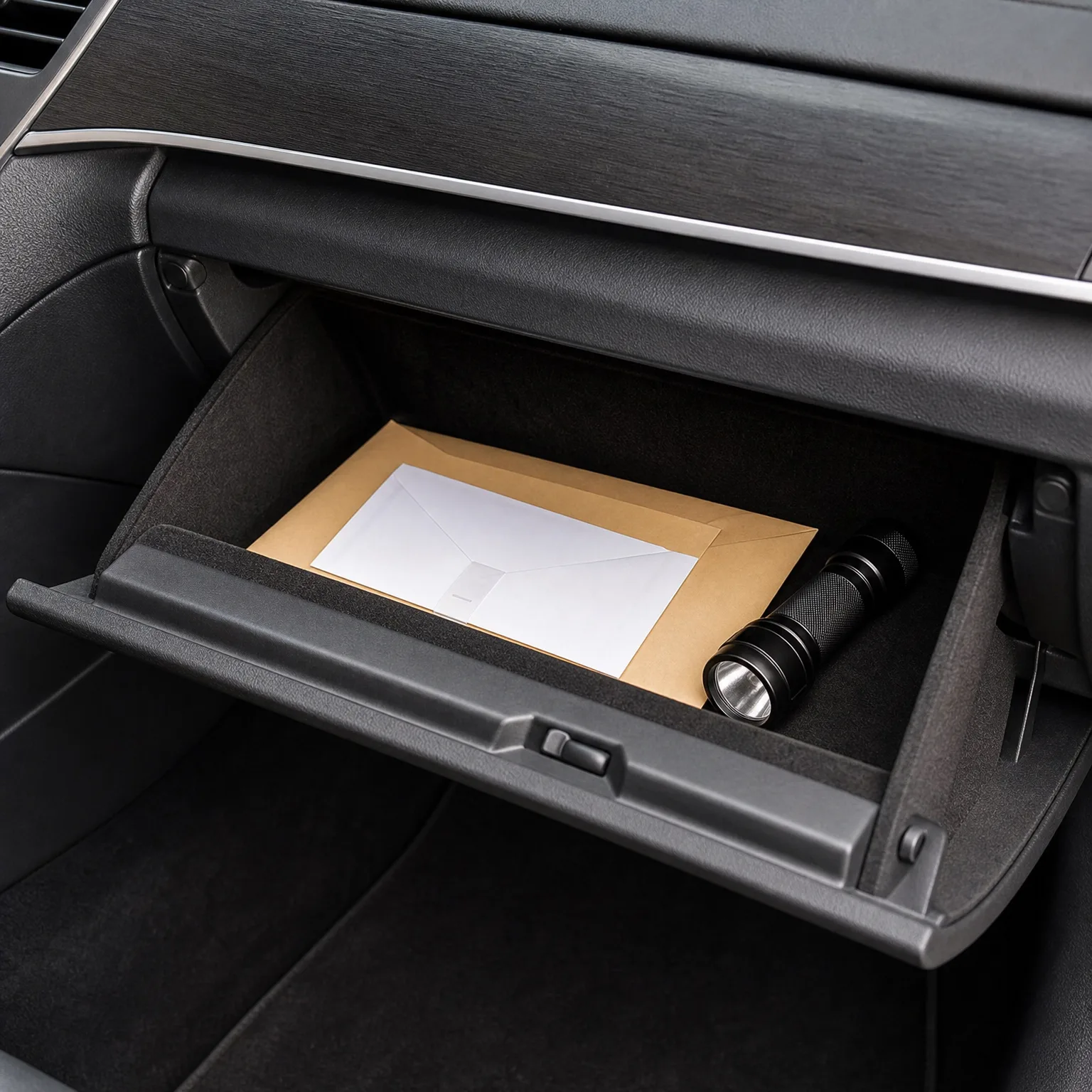
- Glove compartment and wallet Insurance cards are required to be in the car and are often also kept in a wallet. This is frequently the fastest answer if the car is nearby.
- State insurance department They can often confirm active coverage tied to a specific vehicle. What they're able to share varies by state, so ask what they need from you.
- Lender on a financed car Lienholders require proof of insurance and keep that information on file. Call the number on the loan statement if one exists.
Do I have to tell the insurance company that my spouse died?
Yes, you should, even though it isn't always a strict requirement by a set deadline. Insurers generally need to know in order to update the policy, remove the deceased as a driver, and determine who can legally make changes going forward. Waiting too long can complicate claims if something happens to the car in the meantime, since the policy may still list someone who's no longer alive as the primary policyholder. What changes the timeline is whether you're also handling other estate matters, since some people choose to notify the insurer as part of that broader process rather than as a separate first step.
Can I keep the policy in my spouse's name for now?
Usually not for long, though insurers vary in how quickly they require a change. Most require the policyholder to be the person actually responsible for the vehicle, which means a surviving spouse typically needs to be added or made primary fairly soon after notifying the company. Some insurers allow a short transition period while you sort out paperwork, especially if you're already an existing driver on the policy. What changes this is whether you were already listed as a driver, since that often makes the transition faster than if your name wasn't on the policy at all.
What happens to the insurance on a car nobody drives anymore?
It stays active and billed until you cancel it or change the coverage, which means you could be paying for a car just sitting unused. Many insurers offer reduced coverage for a car that isn't being driven, often called storage coverage, which keeps it protected from theft or damage without paying for the parts of a policy meant for active driving. Whether this option exists and what it costs varies by insurer, so it's worth asking directly rather than assuming your only choices are full coverage or none at all.