How Can Older Drivers Get Cheap Car Insurance
You get cheap car insurance by removing coverage you no longer need and asking for every discount you actually qualify for.
The price drops when the policy matches your real life now
Insurers price a policy based on who drives, what they drive, and how much they drive. When a household goes from two drivers to one, or a second car sits unused, the policy often still reflects the old situation. Updating it to match your actual life is usually the single biggest way the cost comes down.
Age itself can work in your favor. Many insurers see drivers in their fifties through seventies as experienced and lower risk, and price accordingly, though this varies by company and by state. Some insurers add surcharges for drivers past a certain age, especially later in life, so it is worth checking how a specific company treats your age bracket rather than assuming the same rules apply everywhere.
Discounts tied to your actual circumstances matter more than people expect. Low mileage, having safety features on the car, and completing an approved driving course all tend to lower the price, but which ones apply and how much they are worth depends on your insurer and your state.
The other factor is simply having the policy itself reviewed. A policy built for two drivers and two active cars years ago may carry coverage or combinations that no longer fit. Asking directly what you're paying for, and why, usually surfaces savings nobody would find by guessing.
What actually lowers the cost from here
- Update who's on the policy If your spouse is no longer driving, removing them changes the pricing entirely. Call your insurer and ask them to walk through it with you.
- Decide the second car's fate A car that mostly sits still still costs money to insure fully. Ask about low mileage discounts or whether reduced coverage makes sense for it.
- Ask about every discount Driving courses, safety features, and low annual mileage can all lower your rate. Insurers don't always volunteer these, so ask directly.
- Review the whole policy A policy built years ago may include things you no longer need. Review it line by line before deciding what to keep.
- Check how age is treated Some insurers reward experience, others add cost later in life. Ask directly how your age affects your specific policy.

The policy was built for a household that no longer looks the way it used to, and it can change with you.
Once you know what to keep, remove, and ask for, compare quotes to see what fits your life now.
Will my rate go up if I remove my spouse from the policy?
Usually not simply from the removal itself. What changes your rate is the overall picture that results, how many drivers are on the policy, what cars are covered, and what discounts still apply.
Sometimes removing a spouse lowers the rate because the policy now reflects one driver instead of two. Other times it can shift slightly if your spouse had a strong driving record that was helping the household's pricing, or if a multi-driver discount no longer applies. The only way to know is to ask your insurer to run both versions side by side, the policy as it stands and the policy with the change made, so you can see the actual difference before deciding anything.
A second car nobody drives anymore
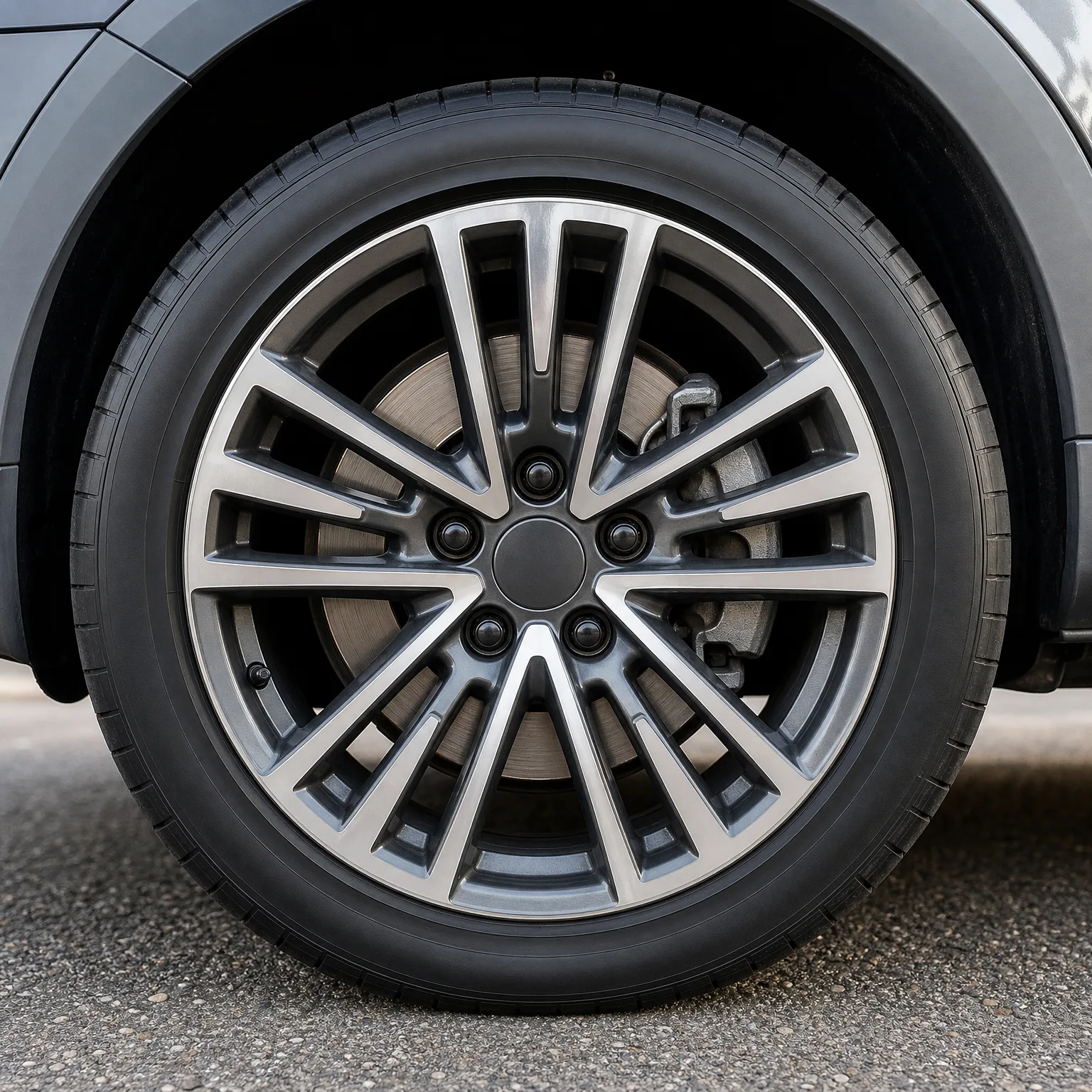
A woman in her sixties lost her husband and found herself still paying full coverage on his car, which had sat in the garage for months. She wasn't sure if she should sell it, insure it less, or keep it as is for her daughter who visited occasionally and sometimes borrowed it.
She called her insurer and asked what her options were. They explained a reduced coverage option for cars driven rarely, since the main risk was theft or damage rather than an accident, and walked her through how mileage affected the price. She chose the reduced coverage, kept the car for her daughter's visits, and ended up paying far less for it each month than she had been. She also had the agent review her own car's policy at the same time, which caught an old discount that no longer applied and one new one she qualified for.
Should I cancel my spouse's car insurance policy entirely?
Only after the car is sold, retitled, or no longer driven at all. If the car is still on the road, even occasionally, it needs some form of coverage, so talk to your insurer about adjusting rather than canceling outright until the car's future is settled.
Do I need to change the title before changing the insurance?
It depends on your state and your insurer, so this is worth checking directly. Some insurers will update the policy first and ask for title changes later, while others want proof of ownership updated before they adjust coverage, so ask what order they require.
Can I combine my policy with my adult child's to save money?
Sometimes, if you live in the same household or the insurer allows it, and it can lower costs for both of you. Ask your insurer directly whether this is possible in your state and what it would mean for each person's rate and record if something changed later.