How Do I Check the Value of My Car
You can find a reliable value for your car in a few minutes using a couple of free pricing tools, cross-checked against each other.
Why the number changes depending on where you look
A car doesn't have one true value. It has several, depending on what you're trying to do with that number. The price a dealer would pay you, the price you could sell it for yourself, and the price an insurer would pay if it were totaled are all different, sometimes by a noticeable margin. Pricing tools ask what you're using the number for because of this.
Condition and mileage move the number more than most people expect. Two cars of the same year and model can be worth meaningfully different amounts if one has higher mileage, visible wear, or a repair history the other doesn't. Being honest about condition when you enter it into a pricing tool matters more than finding the exact right tool.
Location affects value too, because demand for certain cars shifts by region. A truck might be worth more in an area where trucks are common and useful, and less somewhere that doesn't suit it. Most pricing tools ask for your zip code for this reason, so always enter the real one.
If you're checking value because you're deciding what to do with a car after a loss, know that the insurer's number, if you ever file a claim, is pulled from its own data sources and may not match what a pricing tool tells you. It's worth checking more than one source so you're not surprised later, and if the numbers are far apart, that gap itself is useful information.
The short version
Use two or three free online pricing tools, enter the real mileage, condition, and zip code, and compare the results. The range they give you is your car's value for most practical decisions. If the numbers vary widely, trust the lower end for planning and the higher end only if the car is in excellent condition.
Is the value a pricing tool gives me what my insurer would actually pay?
Not necessarily. Pricing tools estimate what a buyer or seller would agree to, while insurers calculate what they call actual cash value, which uses their own data and formulas. The two numbers are often close but not identical, and insurers sometimes land lower.
If you're deciding whether to keep insuring a car, it's the pricing tool numbers that matter most, since they tell you what the car is actually worth to you or a buyer right now. If you're wondering what you'd get from a claim, call the insurer or check your policy documents, since that number only becomes real if something happens to the car. Don't assume either number until you've checked the one you actually need.
Once you know what the car is worth, compare quotes to see what keeping or dropping coverage would actually cost you.
What to check before you trust a number
- Use more than one tool A single pricing site can be off. Check two or three and look at where they agree, since that overlap is more reliable than any single estimate.
- Enter real condition Don't round up. If the car has wear, dents, or mechanical issues, say so, because an inflated condition rating inflates the value you're shown.
- Confirm mileage and zip code Both affect the number more than people expect. Pull the actual mileage from the odometer and use the zip code where the car is kept.
- Know trade-in vs private sale Tools usually show different values for selling to a dealer versus selling yourself. Know which one applies to your situation before you act on the number.
- Recheck before acting Values shift over time. If months have passed since you last checked, get a fresh number before you make a decision based on it.
Deciding what to do with a car nobody drives anymore
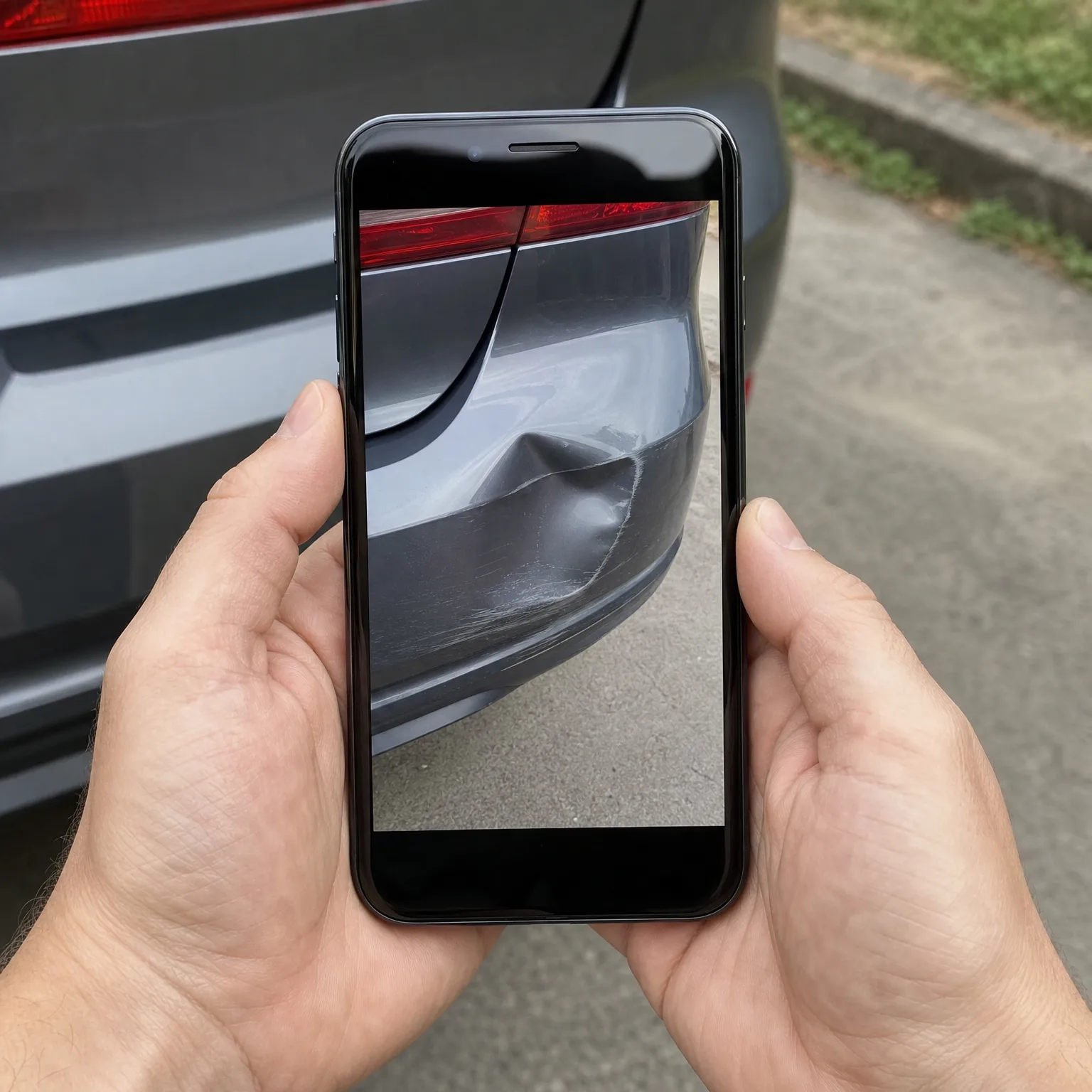
After her husband passed, Carol found herself with two cars insured, one of which had sat in the driveway for months since he'd been the one who drove it. She didn't know what it was worth or whether it made sense to keep paying to insure it. She used two free pricing tools, entered the mileage from the dashboard and described the condition honestly, including a small dent on the rear bumper. Both tools gave her a similar range, which told her the number was solid.
With that range in hand, she called her insurer to ask what dropping comprehensive and collision on that car would save her, and compared that to what the car was actually worth sitting there unused. The value turned out to be modest enough that keeping full coverage on a car nobody drove didn't make sense. She kept liability coverage in case anyone else ever drove it, dropped the rest, and began looking into selling it once she was ready. Knowing the real number made the decision straightforward instead of something she had to guess at.