How Do Insurance Companies Decide Who Is Primary
The primary driver is usually whoever drives the car most, not whoever's name sits first on the policy.
It comes down to who actually drives the car most
Insurers set up a policy this way because risk follows use. The person behind the wheel most often is the person most likely to be in an accident, so that person's driving record, age and history carry the most weight in the price. Whoever is named first on a shared policy is often just the one who originally opened it, which is a separate thing from who the insurer treats as primary for pricing.
When a household has more than one car, insurers usually ask you to assign a primary driver to each vehicle, matching the person who drives it most. If a car was mainly your spouse's, the insurer may have been pricing it around your spouse's record even if your name was also on the account. That's worth checking now, because the pricing logic behind that car no longer matches who's driving it.
If nobody is driving a car regularly anymore, insurers have a different category for that too, sometimes with different coverage and pricing built for a car that's parked rather than used. This is one of the places where rules vary by insurer and by state, so it's worth asking directly rather than assuming the old setup still fits.
The exceptions mostly come down to how each insurer defines primary use and how each state regulates it. Some weigh mileage more heavily, some weigh the driver's history more heavily, and some have specific rules for a car that sits unused. None of that changes the basic idea. Primary status follows actual use, and it's meant to be updated when use changes.

What decides primary status, and what to check first
- Who drives it most Primary status usually goes to whichever person uses the car most often. If that's changed since your spouse passed, tell the insurer so the policy matches reality.
- Driving record on file The primary driver's history has the biggest effect on price. Ask whose record the policy is currently using for each car.
- One driver per car Shared policies often assign a primary driver to each vehicle separately. Check this car by car, not just for the household as a whole.
- A car nobody drives Insurers often have a separate setup for a car that's parked most of the time. Ask about it instead of leaving the car listed as regularly driven.
- Rules vary by insurer How primary status is defined and priced isn't the same everywhere. Ask your insurer directly how they define it and what it means for your bill.

Once you know who should be listed as primary on each car, compare quotes with that settled.

Updating who's primary on a shared policy
If you do
You tell the insurer who actually drives each car now. They re-rate the policy around the right driver and the right usage, including any car that's sitting unused. Your price may shift, but it reflects your household as it is now, and the coverage matches what's actually happening on the road.
If you don't
The policy keeps pricing cars around a driver or a pattern that no longer exists. You might pay for a commute that isn't happening, or miss a lower rate meant for a parked car. If a claim comes up, mismatched information can also slow things down.
A second car with no regular driver
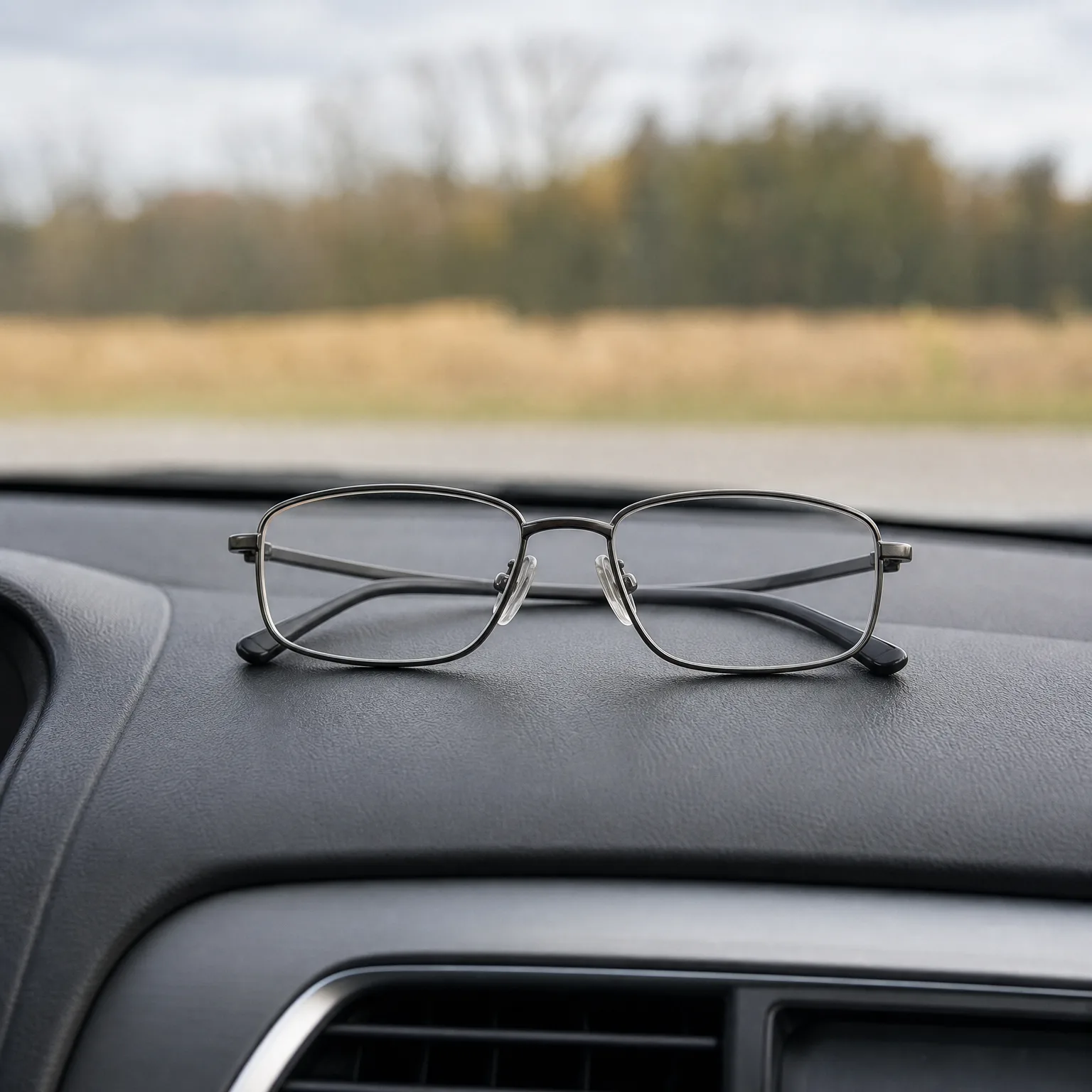
After her husband passed, Carol kept both cars for a while. His car had been the one he drove to work every day, and it was still listed that way on their shared policy, with him as the primary driver on it. She wasn't sure if she needed to change anything right away, since the policy was still active and nothing had lapsed.
She called the insurer and explained that the car was now sitting in the garage most days. They walked her through switching it to a setup meant for a vehicle that isn't driven regularly, and moved her onto the other car as primary driver since that was the one she actually used. The change took one call, and it left her with a policy that matched her actual situation instead of one still built around her husband's old commute.
The policy should describe how the car is actually used today, not how it used to be used.