How Does Car Insurance Work if It Is Not Your Fault
If the other driver caused the accident, their insurance is supposed to pay, but your own policy still matters while that gets sorted out.
Fault decides who pays, but your policy still does the work
Car insurance is built around fault. The driver who caused the accident is financially responsible for the damage, and in most states their liability coverage is what pays for your repairs and injuries. That process is called a claim against the other driver's policy, and it runs separately from your own coverage even though your insurer is often the one helping you through it.
The catch is that the other driver's insurance does not have to act quickly, and it does not have to agree that their driver was at fault. Insurers investigate, and sometimes they dispute who caused the accident or how much the damage is worth. While that happens, you still have a car that needs fixing and maybe a rental you need right now, which is why your own policy exists as a faster path even in a no-fault accident.
This is where collision coverage and, in some states, no-fault personal injury coverage come in. If you have collision coverage, your insurer can pay for your repairs immediately and then go after the other driver's insurer to get that money back, a process called subrogation. You may still owe your deductible upfront, but insurers typically refund it once they recover the cost from the at-fault driver.
How this plays out depends on where you live. Some states follow pure fault rules, others have no-fault systems where your own insurer pays for injuries regardless of who caused the accident. Check your state's rules and your policy's declarations page to see what coverage you actually have, especially if you're reviewing a policy that was set up or managed by someone else.
What actually happens after a not-at-fault accident
- Report it to your insurer Even if it's not your fault, your insurer needs to know. They can open a claim against the other driver and guide you through what happens next.
- Your rates usually stay the same A not-at-fault accident typically isn't held against you the way an at-fault one is. Ask your insurer directly how they classify it, since policies vary.
- Deductible may apply first If you use your own collision coverage to get repairs started quickly, you may pay your deductible upfront. It's usually refunded once your insurer recovers costs from the other driver's insurer.
- Fault can be disputed Don't assume payment is automatic just because you believe it's clear-cut. If liability is contested, your insurer may need to step in to protect you.
- Confirm your coverage is active If a policy was set up under a spouse's name, confirm what coverage transferred to you. This matters most right when you need to file a claim.
A car gets hit while parked outside the house
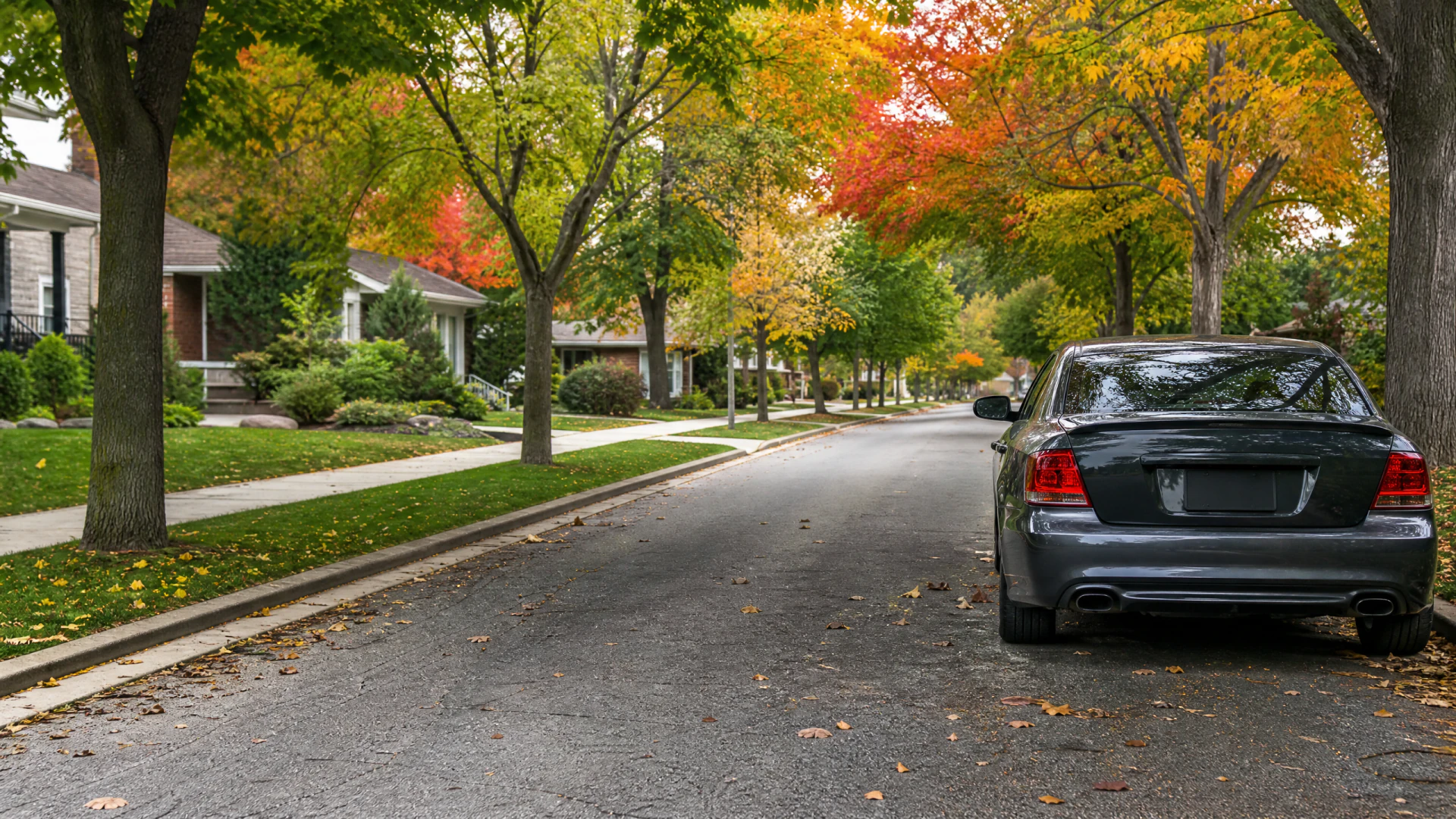
Say another driver backs into a car that's been sitting in the driveway, barely used since a spouse passed away. The policy is still listed under the spouse's name, and the surviving partner isn't sure whether a claim can even be filed. They call the insurer, explain the situation, and learn the policy is still valid and that they can file as the listed driver on the account, though the insurer also flags that the title and policy should eventually be updated.
The insurer opens a claim against the at-fault driver's insurance for the damage. Because repairs would take a few weeks and the car wasn't being driven daily anyway, the owner decides to wait instead of paying their own deductible for faster service. The other insurer accepts fault within a short time, and the repair gets paid for directly, with no cost to the owner. Afterward, the owner uses the moment to update the policy into their own name and decide whether to keep insuring a car that mostly sits unused, now with a clearer picture of what the coverage actually does.
Now that you know how a not-at-fault claim works, compare quotes to make sure your coverage still fits your situation.

Whether you update the policy into your own name now
If you do
You confirm exactly what coverage exists, who's listed as a driver, and whether the second car still needs full coverage. If you ever need to file a claim, there's no confusion about who owns the policy or who's authorized to act on it.
If you don't
The policy may still work for now, but you risk delays or questions if you need to file a claim later. You also won't have a clear picture of what you're paying for or whether a rarely driven car still needs the coverage it has.
What if the other driver doesn't have insurance or won't admit fault?
If the other driver has no insurance, or their insurer refuses to accept fault, your own policy becomes much more important. This is what uninsured motorist coverage is for, and if you have it, your insurer pays for your damage and then pursues the other driver directly, outside of your involvement.
If fault is disputed rather than the other driver being uninsured, your insurer will usually investigate using police reports, photos, and witness statements to argue your case. This can take longer, and the outcome depends on the evidence available. It's worth checking whether your policy includes uninsured or underinsured motorist coverage now, before you ever need it, since not every policy includes it automatically and requirements vary by state.