How Does Gap Insurance Work if a Car Is Totaled
Gap insurance pays the difference between what you owe on the car and what it was actually worth, nothing more.
It covers a math problem, not the accident itself
When a car is totaled, your regular insurance pays what the car was worth right before the crash. That number usually has nothing to do with what's left on a loan or lease. Cars lose value faster than most loans get paid down, so for the first few years there's often a real gap between the two. Gap insurance exists to close that specific gap, nothing else.
The insurer first decides the car's value using comparable sales, mileage and condition. That becomes the payout from the regular policy. Then the gap coverage, if you have it, pays the difference between that payout and the actual loan or lease balance at the time of the loss, not the original price you paid. Late fees, missed payments or added warranties usually aren't included.
Where this varies is in the details. Some policies cap how much gap coverage will pay. Some only apply to loans, not leases, or the other way around. Some stop covering you once the loan balance drops below the car's value, since at that point there's no gap left to pay. Check your policy's actual wording rather than assuming it works like a standard one, because insurers structure this coverage differently.
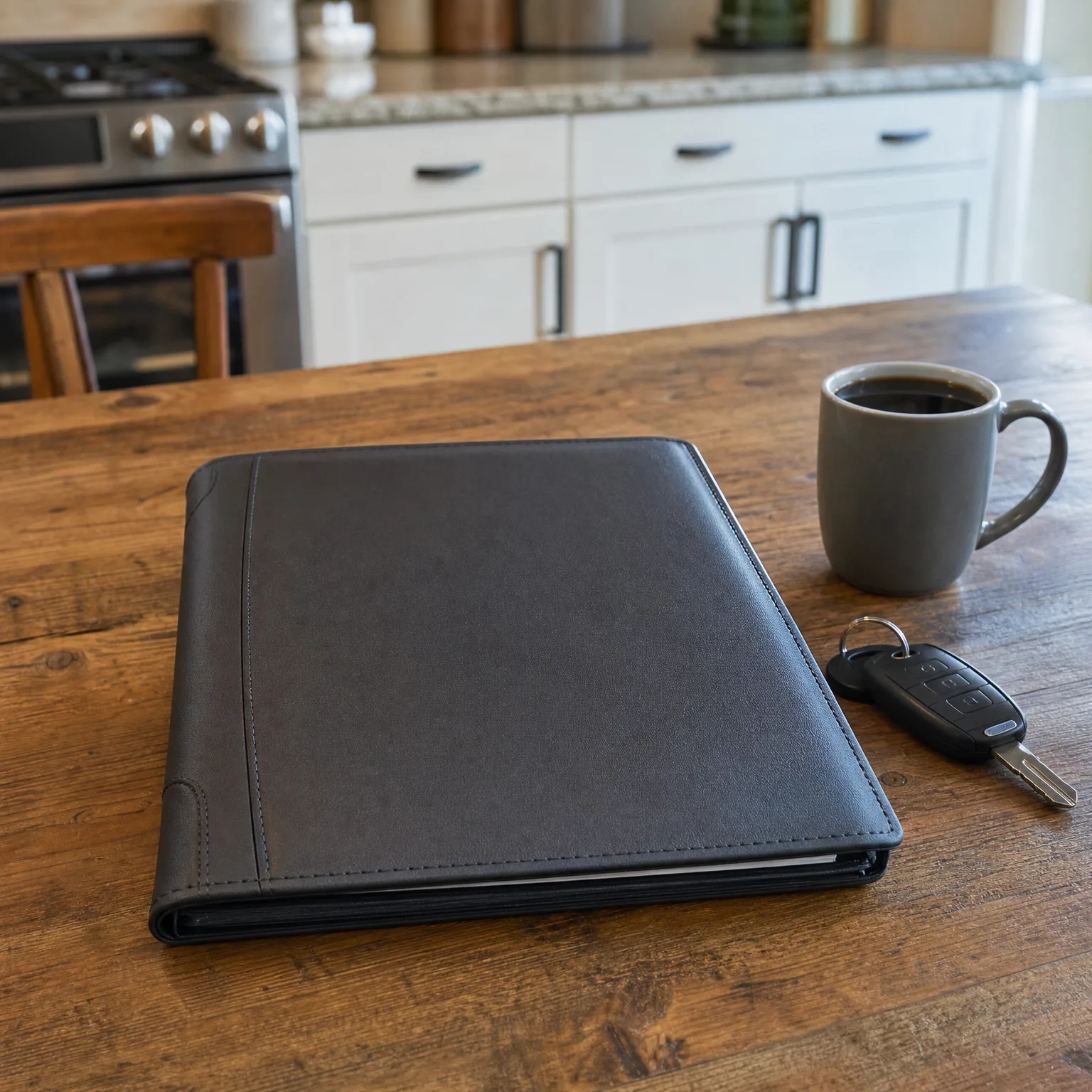
If you're untangling a spouse's policy, this is one of the clearer things to look up. Call the insurer, ask whether gap coverage exists on the policy, and ask them to explain the payout math in plain terms before you decide anything else about the car.
What if there's no gap insurance and the loan is still bigger than the payout?
You still owe the remaining difference even though the car is gone. The insurer's payout goes toward the loan, but if the loan balance is higher than that payout, the lender expects you to pay the rest out of pocket. This is the exact situation gap insurance is built to prevent.
If you find yourself here, call the lender first to understand the exact shortfall before making any decisions about the second car or the policy. Some lenders will work out a payment plan. It's also worth asking the insurer directly, since occasionally there are other coverages or adjustments that reduce what you owe. Don't assume the full shortfall is fixed until you've asked both sides directly.
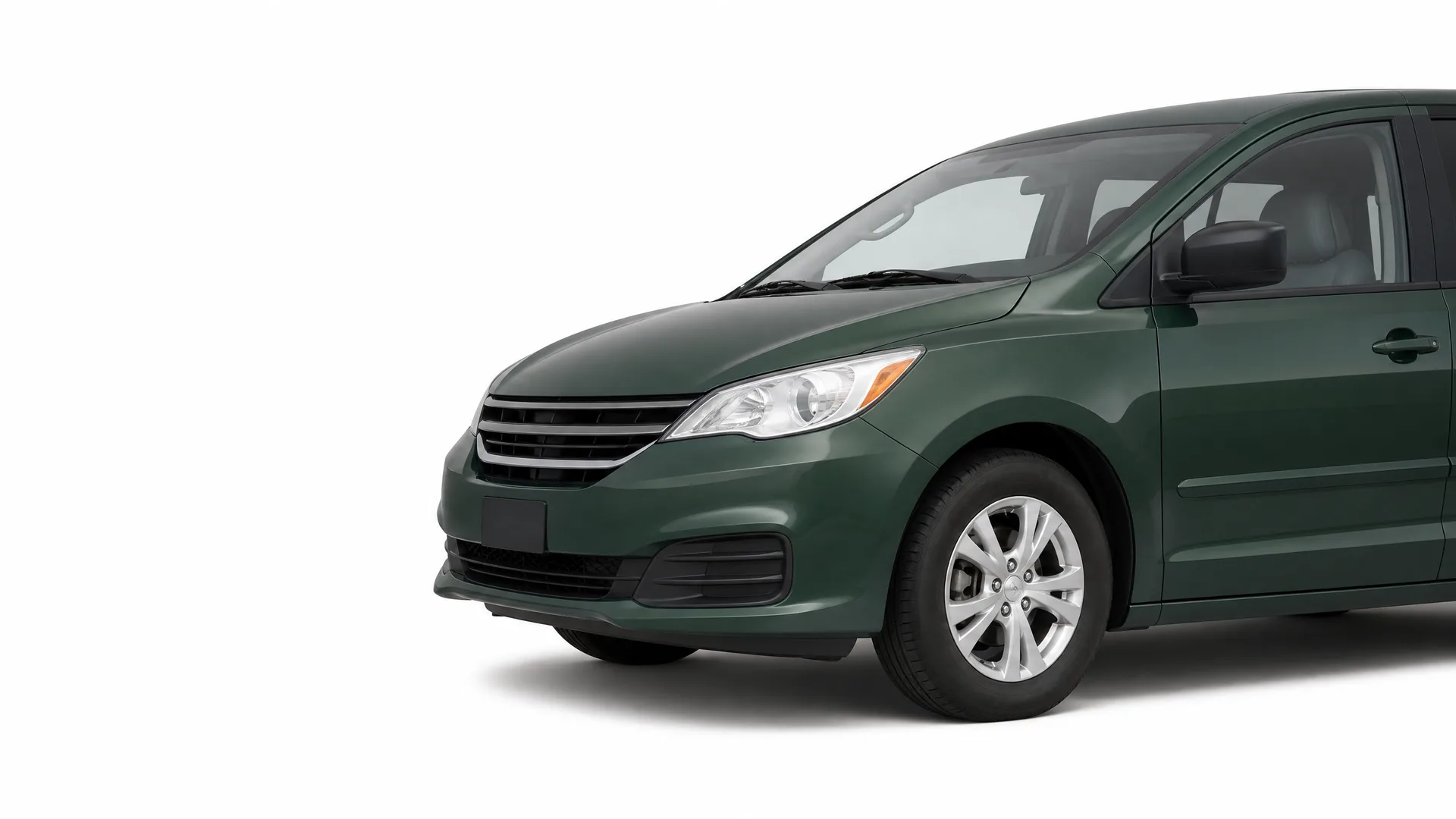
The payout is based on the car's value, not the loan balance, so the two numbers rarely match.
Once you know whether gap coverage applies to this car, compare quotes with that answer already settled.
Keeping gap coverage on a car you're not sure you'll keep
If you do
You stay protected if the car is totaled before the loan catches up to its value. The cost is small compared to owing money on a car that no longer exists. If you sell or pay off the loan soon, you simply drop the coverage then, no harm done either way.
If you don't
You save a small amount now, but if the car is totaled while the loan still exceeds its value, you owe the difference yourself. For a car still carrying a loan or lease, that gap can be a real amount to cover unexpectedly, right when you're already handling enough.
A totaled car with a loan still attached
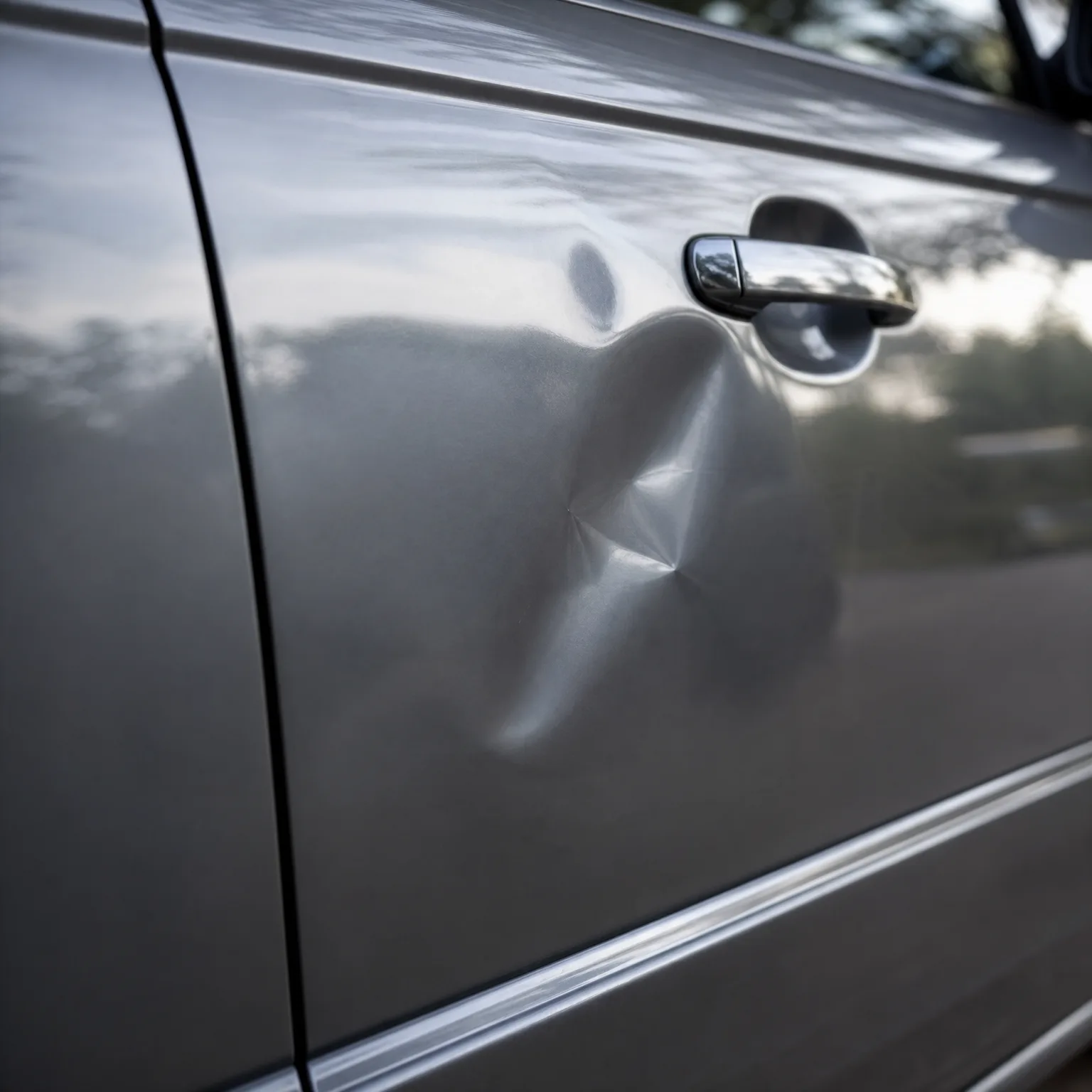
A woman sorting out her late husband's policy found the car he drove had been totaled in a minor accident before he passed, and the claim was still open. The insurer valued the car based on its mileage and condition, not what was still owed on the loan, and the payout came in lower than the loan balance. She didn't know whether gap coverage existed on the policy, since he'd handled the paperwork.
She called the insurer directly and asked them to check the policy for gap coverage before assuming anything. It turned out the policy did include it, so the gap coverage paid the remaining loan balance after the standard payout was applied. She closed out the loan with the lender the same week. Had the coverage not been there, she would have owed the difference herself, on top of everything else she was already managing.
Does gap insurance cover a leased car the same way as a financed one?
Often yes, but check the lease agreement, since some leasing companies require specific gap coverage as part of the lease terms rather than letting you choose any policy. The payout math works the same way, covering the difference between the car's value and what's owed. What changes is who requires it and whether it was already built into your lease payments. If a lease is involved, call the leasing company directly to confirm what's required versus what's optional.
Can I cancel gap insurance on a car and get money back?
Usually yes, if the coverage is no longer needed, such as after a loan is paid off. Many policies allow a partial refund for unused coverage, prorated for the time remaining. The exact process depends on whether gap coverage was added through the insurer or through the dealer when the car was purchased, since those are handled differently. Call whoever issued the coverage and ask directly what refund applies and what paperwork they need from you.
Do I need gap insurance on a second car nobody drives anymore?
Not for the driving itself, but the loan or lease balance still matters if one exists. If the car is paid off, gap coverage serves no purpose since there's no shortfall it could cover. If a loan remains, the same gap can exist whether the car is driven daily or sits unused, so the decision depends on the loan balance, not the car's use. Check the payoff amount against the car's value to see if keeping gap coverage still makes sense.