How Does Rental Car Coverage Work
If the car on your policy is still insured, that coverage usually extends to a rental car too, so confirm it before you drive off.
Your personal policy is what follows you, not the car you're driving
Car insurance is built around you and the vehicle listed on the policy, but most of its protection travels with you into a rental. If your policy includes liability, collision and comprehensive coverage on a car you own, that same coverage typically applies when you rent a similar vehicle for personal use. The rental company's counter offer is a separate, optional layer on top of that, not a replacement for it.
What changes is what happens if something goes wrong. Liability coverage protects you if you cause an accident and someone else is hurt or their property is damaged, and that part usually carries over cleanly. Collision and comprehensive, which pay for damage to the car you're driving, also tend to extend to a rental, but only if you carry them on your own policy already. If your spouse's policy had those dropped for one of the cars, you won't have that protection in a rental either.
Where it gets less uniform is deductibles, loss of use charges the rental company bills for lost rental income while the car is repaired, and how claims are handled across state lines. Some insurers cover loss of use automatically, others don't, and this is exactly the kind of detail that varies by company and sometimes by state. It's worth a direct call to ask, rather than assuming.
If you're not sure what's currently active on the policy, that uncertainty is normal right now, and it's a solvable problem. A quick call to the insurer, with the policy number in hand, will tell you exactly what applies before you ever need it.
Do I need to buy the rental company's insurance too?
Usually not, if your own policy has collision and comprehensive coverage active and you're renting for personal use. In that case the rental counter coverage mostly duplicates what you already have, just at a markup.
The exception is if you're not confident the policy currently covers the vehicle you'd be driving, or if you'd rather not deal with a claim and deductible on your own policy if something happens. Some people buy the rental coverage anyway for the peace of mind of a clean, separate claim. That's a reasonable choice too, it just isn't usually a required one.

Once you know what your policy covers in a rental, compare quotes to keep that protection solid going forward.
Renting a car while yours is in the shop
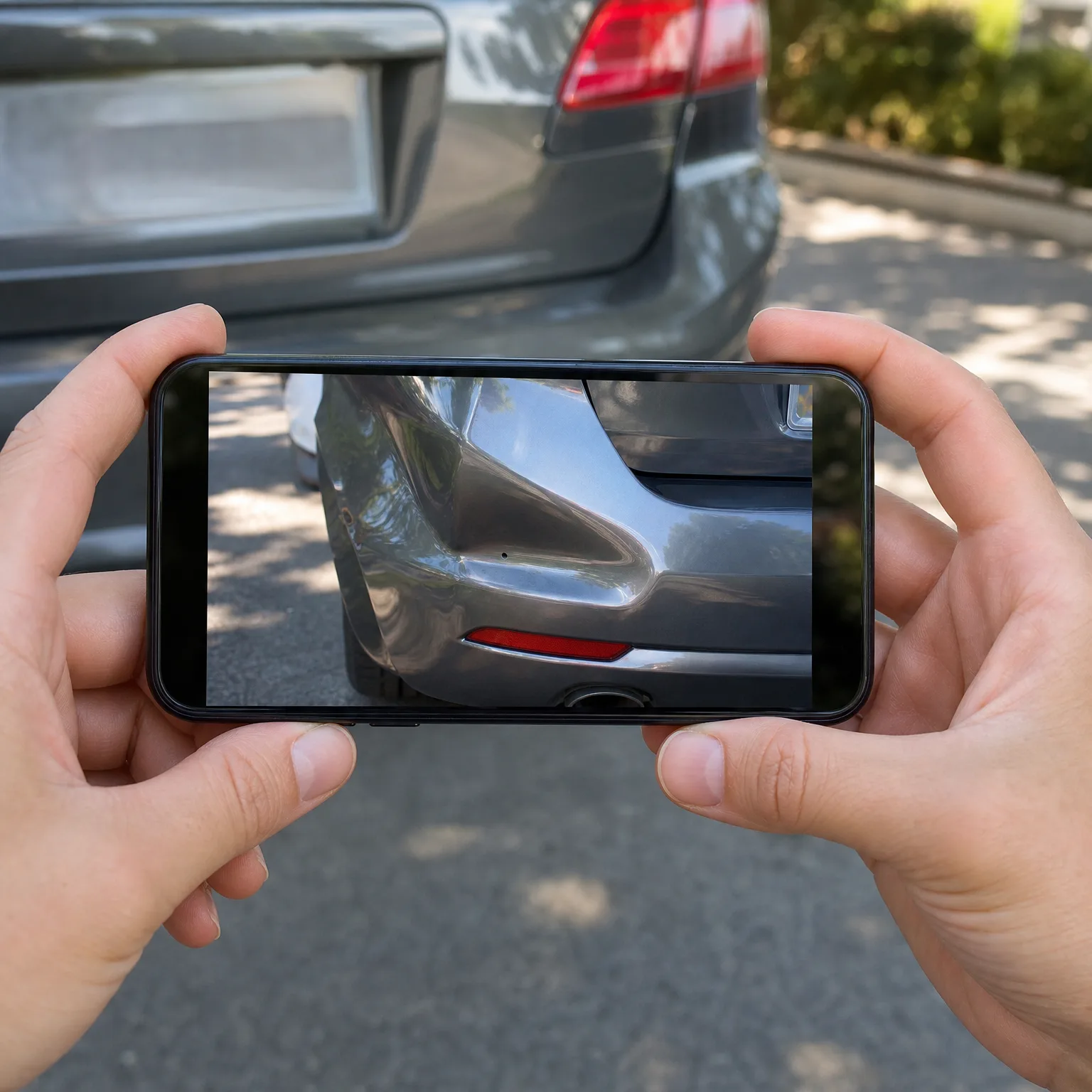
Say you need a rental because the car you normally drive is in for repairs after a minor accident. You call the insurer first, read them the policy number, and ask directly whether rentals are covered and what applies if you need to file a claim. They confirm that liability, collision and comprehensive all extend to a similar rental vehicle, and that there's a deductible that would apply if you damaged it.
At the rental counter, you decline the company's collision coverage since you've confirmed you're covered, but you ask about loss of use charges specifically, since the agent mentioned your insurer doesn't always cover that part. You end up accepting just that one piece of optional coverage, understanding exactly what gap it fills. The rental goes smoothly, nothing happens, and you return the car without ever needing to use any of it, but you drove knowing exactly what you were protected by.
The coverage doesn't vanish with your spouse. It's tied to the policy, still active until you change it.
Does rental coverage still apply if the car is in my spouse's name?
Yes, if the policy itself is still active, coverage typically applies regardless of whose name is on the title. What matters is whether the policy is in force and which coverages are currently included on it, not who technically owns the vehicle.
If you're not listed as a named driver or policyholder, check that too, since some insurers require that for coverage to extend to a rental. This is worth confirming directly, especially if you're planning to update the policy soon anyway.
What happens to rental coverage if I cancel collision on an unused car?
If you drop collision and comprehensive from a vehicle on the policy, that removes your rental car protection for those same risks, since rental coverage mirrors whatever you carry on your own cars. You'd still likely have liability coverage in a rental, but damage to the rental itself wouldn't be covered without buying it separately.
If you're planning to sell or stop insuring a second car, ask the insurer specifically how that affects rental coverage before you make the change.
Does rental coverage work differently for a trip out of state?
Mostly no, your policy generally follows you across state lines the same way it follows you into a rental car. The core coverages don't reset or change just because you've crossed a border.
What can vary is how minimum coverage requirements differ between states, which occasionally affects what applies if local law requires more than your policy provides. It's a reasonable detail to ask about if you're renting for a long trip far from home.