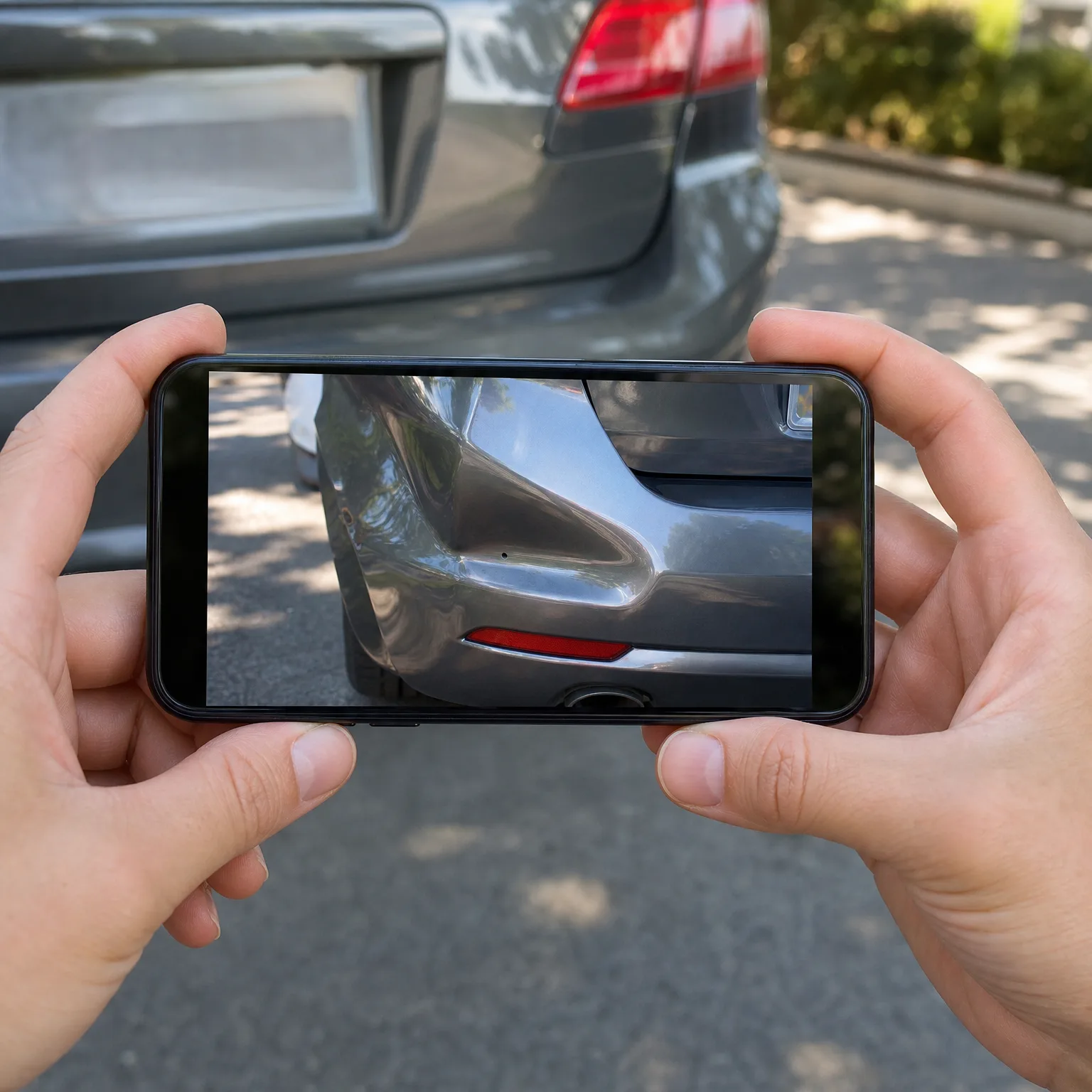
How Is a Car Insurance Premium Paid Automatically
An automatic payment pulls the premium from a linked account on a set date, with no action needed once it's set up correctly.
What to check before you trust the payment to run itself
- Whose account is linked If the payment pulled from a joint account or your spouse's card, confirm that account is still open and funded. Switch it to an account only you control before it gets declined.
- The policy is in your name Automatic payments can fail quietly if the policyholder listed has passed away, even if the account still has money. Call the insurer and update the policy to your name first.
- How you'll know if it fails Ask whether you get a text, email, or letter before a missed payment cancels coverage. A silent failure is the real risk, not the payment itself.
- What happens to a second car If one car sits unused, decide whether to keep it insured, lower its coverage, or remove it before the next automatic payment goes through. Don't let autopay renew a decision you haven't made.
- Cancelling or changing autopay You can usually stop or change automatic payments anytime through the insurer, not just at renewal. Do this as soon as your decision about the policy or the car is final.

A policy still set to pull from a spouse's card
A woman in her sixties found that her husband's car insurance was still charging his credit card automatically, three months after he passed. The card hadn't been cancelled yet, so the payments kept going through without anyone noticing a problem. She only realized it when she was closing his accounts and saw the charge.
She called the insurer, explained the situation, and had the policy moved into her name using the same coverage for now. She switched the automatic payment to her own bank account and asked the insurer to confirm by email each time a payment went through, so she'd know right away if something failed. A few weeks later she decided to sell the second car her husband had driven, and cancelled that portion of the policy before the next automatic payment date. Nothing lapsed, and she wasn't stuck guessing whether a payment had gone through.

Once the policy and payment are in your name, compare quotes to make sure you aren't overpaying for it.
Why automatic payment works the way it does
An automatic payment is just a standing authorization. You give the insurer permission to charge a specific account on a schedule, and they do it without a bill arriving first. That's the entire mechanism. The complexity people run into isn't the payment itself, it's whether the account, the card, and the name on the policy are still accurate.
Insurers build autopay this way because a missed payment is expensive for everyone. If coverage lapses even briefly, the insurer loses a customer and you lose protection, often at a moment you can least afford it. So the system is designed to keep charging the same source again and again until someone tells it to stop or until the charge fails outright.
Where this gets complicated for you right now is that the system doesn't know your spouse has passed, and it doesn't know you're the one making decisions now. It will keep pulling from whatever account was linked until the account closes or you update it. That's why updating the policyholder name and the payment method matters more than almost anything else on the page, more than which coverage level you eventually choose.
This varies by insurer in how much notice they give before a failed payment cancels the policy, and by state in how much time you're given to fix a lapse without penalty. Ask your insurer directly what their grace period is and what happens if autopay fails once.
The risk isn't the automatic payment, it's an account or a name on the policy that's quietly gone out of date.
What happens if an automatic payment fails after I update everything?
If a payment fails, most insurers don't cancel your policy instantly. You're usually given a short window to fix the payment method before coverage actually lapses, and many will notify you by email, text, or mail when the charge doesn't go through. The exact length of that window and how they contact you varies by insurer and sometimes by state, so it's worth asking directly rather than assuming.
The safest move is to ask your insurer two things once you've switched the account: what their grace period is, and how they'll notify you if a payment fails. That way you're not relying on guesswork during a period when you're already handling enough. If you want extra certainty, some people set a calendar reminder a few days after each automatic payment date just to confirm it went through, at least for the first few months after taking over the policy.